The World Wildlife Fund (WWF) has just released its biennial Living Planet Report 2018, a colossal report to track the health of the world’s wildlife populations. All in all, it paints a truly damning picture of “runaway human consumption” and the damage it’s afflicting on the world’s biodiversity.
Global populations of monitored vertebrate species have declined in size by 60 percent on average between 1970 and 2014, according to the report, which utilizes data from the Zoological Society of London’s (ZSL) Living Planet Index and the IUCN Red List of threatened species, among others. The leading driver behind this steep decline is human consumption, which has led to to the degrading of habitat through agriculture, as well as the direct overexploitation of wildlife, such as overfishing and poaching.
“Science is showing us the harsh reality our forests, oceans, and rivers are enduring at our hands. Inch by inch and species by species, shrinking wildlife numbers and wild places are an indicator of the tremendous impact and pressure we are exerting on the planet, undermining the very living fabric that sustains us all: nature and biodiversity,” Marco Lambertini, Director General of WWF International, said in a statement.
It’s worth highlighting what that “60 percent” figure means exactly – because it doesn’t mean there were 60 percent fewer animals on the planet in 2014 compared to 1970. The report tracked 16,704 different populations of over 4,000 vertebrate species from 1970 to 2014. Across all of these populations, on average, the populations declined by 60 percent. Some small populations could theoretically suffer a 90 percent loss just by a handful of individuals dying. Even if most larger populations only decline by a tiny percentage, the small populations’ large losses will bring the total average up.
Freshwater wildlife has seen the most dramatic decline of all, with an average population drop of 83 percent since 1970. The tropics are also among some of the hardest hit ecosystems, with South and Central America suffering average population declines of 89 percent.
Preface. Copper is essential for modern civilization and any hope of migrating to renewable energy, since solar, wind, tidal, hydro, biomass and geothermal use 5 times more copper than traditional power generation in fossil and nuclear power plants. Nothing matches copper for electric wiring, which is used in power generation, power transmission & distribution, telecommunications, vehicles, cookware,and hundreds of kinds of electrical equipment. It’s used on integrated circuits, printed circuit boards, vacuum tubes, magnetrons in microwave ovens, electric motors. Copper is used in buildings for its corrosion resistance in roofs, flashings, gutters, and so on. It’s used in ships to protect against barnacles and mussels, and aquaculture and health care due to its antimicrobial, corrosion-resistance, and prevention of biofouling. Wikipedia Copper has even more uses.
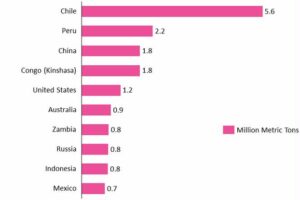
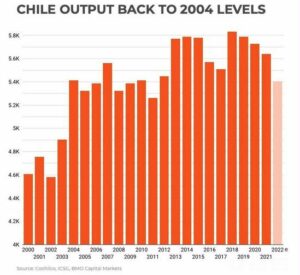
As you can see in Figure 1, Chile produced the most copper of any nation — a quarter of all copper in 2021. Figure 2 shows that in 2022, Chilean production dropped to 2004 levels due to water scarcity, declining grades of ore, depletion rates, tax increases, regulatory uncertainty and other factors.
Figure 1. Largest copper producing countries 2021 (million metric tons). Source: www.usgs.gov
Figure 2. Chile copper production 2000-2022
Elon Musk told a closed-door Washington conference of miners, regulators and lawmakers that he sees a shortage of EV minerals coming, including copper and nickel (Scheyder 2019). In 2024, Scheyder wrote a fantastic book about mining. A must read book to understand the impact mining will have on the planet and all about how mining works, the energy involved and more — quite interesting. Basically for climate change, we are crossing many of the other 8 existential boundaries and destroying the earth in arguably worse ways, and it is not clear to me at all that mining and renewables affects climate change one bit, you will see in Sheyder’s book (reviewed below) what a tremendous amount of fossils are used in mining, and recycling, which is also mining but barely happening for most metals.
Scheyder E (2024) The War Below: Lithium, Copper, and the Global Battle to Power Our Lives. Atria.
Battery 4 main parts: an anode, cathode, electrolyte, and separator. An anode is typically made with graphite. A cathode is made with lithium and, depending on design, a mix of nickel, manganese, cobalt, or aluminum. Between the two is an electrolyte solution often made of lithium, with a separator composed of plastic in between. Inside an EV’s motor sits more than a mile of copper wiring that is used to help turn power from the battery into motion.
The bigger the battery, the more metals needed. The Model 3 uses 0.11 kilograms (kg)/2.2 lbs of lithium for every kWh. So Tesla’s 55.4 kWh battery was built with 6 kg of lithium, 42 kg of nickel, nearly 8 kg of cobalt, 8 kg of aluminum, nearly 55 kg of graphite, and about 17 kg of copper, with even more aluminum and copper elsewhere in the battery.
China has some lithium reserves locked in hard-to-extract deposits. China is the world’s largest copper consumer and aggressively buys the red metal, a major conductor of electricity, from Chile, Peru, and other nations. U.S. copper production dropped nearly 5 percent from 2017 through 2021.
No new mines for any of these metals have opened in the United States for decades, with the exception of a small Nevada copper facility in 2019. Yet multiple projects have been proposed that could produce enough copper to build more than 6 million EVs, enough lithium to build more than 2 million EVs, and enough nickel to build more than 60,000 EVs.
The United States wants to go green, but to do that, it will need to produce more metals, especially lithium, rare earths, and copper. That means more mines. And mines are very controversial in the United States. Who wants to live next to a giant hole in the ground? Mines are dusty, increase truck traffic, and use dynamite for blasting that can rattle windows and crack foundations. Many mines throughout history have polluted waterways and produced toxic waste that scarred landscapes for generations.
They also require astronomical amounts of water to operate. Stewart Udall, who ran the U.S. Interior Department under Presidents John. F. Kennedy and Lyndon B. Johnson, described mining as a “search-and-destroy mission.”
The process to produce these metals can vary widely by type and is vastly different than oil and natural gas production.
China has been scouring the world the past 20 years for cobalt, lithium, copper, and other metals. After the United States pulled out of Afghanistan in 2021, Chinese mining companies began negotiating with the Taliban to develop the Mes Aynak copper deposit, about two hours outside of Kabul. China’s mining companies spent billions of dollars buying cobalt mines in the Congo. In Argentina, China has invested in six major lithium projects. As 2023 dawned, India began scouring Argentina’s reserves of copper and lithium to sate its burgeoning EV industry.
Recycling alone cannot provide the materials needed to fuel the global green energy transition.
The United States is watching its petroleum dependence on the Organization of the Petroleum Exporting Countries transition into a dependence on China, Congo, and others for the building blocks of green energy devices. China has threatened to block exports to the United States of rare earths. The United States is expected to produce just 3 percent of the world’s annual lithium needs by 2030, even though it holds about 24% of the world’s lithium reserves.
In Brazil, a tailings dam collapsed and released a torrent of toxic sludge that quickly devastated much of the nearby countryside and killed almost 300 people. After that, Brazil’s government outlawed the type of tailings dam design that had collapsed, but the U.S. did not follow suit, fueling concern in Minnesota, Arizona, and other states that similar collapses could happen there if new mines were built. Where exactly? “We’ll be looking up at a 500-foot dam containing 1.6 billion tonnes of toxic waste and wondering when it is going to collapse and bury the community,” an Arizonan said of Rio Tinto’s plans to build a large copper mine and tailings waste storage site.
Are risks—even tragedies—such as these to be tolerated on the road to a green energy future?
Copper, one of the best electricity-conducting metals, is easy to shape and form, is corrosion-resistant, and binds well with other metals. Only silver conducts electricity better, but silver is more expensive than copper.
The average 747 jetliner from Boeing has 135 miles of copper wiring, and every American household has an average of 400 pounds of copper wiring and piping. Freeport-McMoRan’s Morenci, the largest copper mine in North America, uses Caterpillar 797 trucks to haul ore; inside each of those trucks’ radiators is at least 400 pounds of the red metal.
About 75% of the copper used throughout history has been mined since the Second World War.14 And the world’s lust for copper is set to only grow. In 2022, annual copper consumption was 25 million tonnes. By 2050, it’s projected to more than double to 53 million tonnes.
There is not expected to be enough copper to meet that 2050 target without more mines and more recycling. Without adequate copper supply in the 21st century, wars could very well be fought over copper, the consultancy S&P Global has warned. The U.S. would have to boost its copper imports from about 44% of its supply in 2022 to as much as 67% by 2035, unless it produces more of its own.
The discovery of the Resolution Copper deposit in the 1990s tested that tweak. It took more than a decade for Rio Tinto and BHP to study the deposit. They bored more than a hundred exploratory drills into the Earth, at a cost of more than $1 million each. They built the deepest mine shaft in the United States, a 7,000-foot-deep structure on a small sliver of adjoining land they controlled. They discovered that if they built the mine, it would supply a quarter of the copper consumed each year in the United States. Because the copper deposit is so deep, Rio and BHP also discovered it likely could not be extracted by digging from the surface but rather from below with a method known as block caving, whereby a large section of rock is undercut, creating an artificial cave that fills with its own rubble as it collapses under its own weight. That would cause a crater 2 miles wide and 1,000 feet deep, in what the mining industry terms a “glory hole.” (Yes, really.) Thus, to harvest the copper would require the destruction of a site considered as important to the San Carlos Apache as St. Peter’s Basilica is to Roman Catholics. The mine could use as much as 590,000 acre-feet of water over the course of its life, roughly 192 billion gallons, equal to nearly 5 gallons of water for every pound of copper, an alarming amount for a state that had been in a drought since 1994. The amount of water would be enough to supply 168,000 homes for 40 years. The mine would also produce a pile of waste rock stored behind a tailings dam that would be 500 feet tall and cover an area of 6 square miles. By 2013, Rio and BHP had started the U.S. federal permitting process, though as of this writing they have not obtained the permits. In 2004, it had taken a 55% stake in the Resolution Copper project to BHP’s 45%, giving it effective control over strategy, budget, and most important, outreach to the local communities, including Superior and the San Carlos Apache. Rio and BHP by 2021 had spent more than $2 billion on the project, without producing an ounce of copper. In its bid to win over local hearts and minds, Rio had promised to hire fourteen hundred workers—nearly half of the town’s population—with an average salary of $100,000, more than quadruple the 2020 average.
Who cares, Nosie was saying, if you have a high-paying job if the environment is destroyed? The proposed mine itself was a symptom of a way of life that cared only for money, he said. “That means everything here that is left, all water, all light, the beauty of environment, what brings people back here and then the holy and sacredness of this, is totally gone.
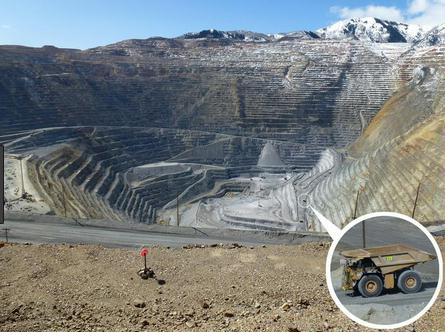
About 200 miles east of Phoenix sits the town of Morenci and its roughly 1,500 residents. Morenci has a copper mine that covers 100 square miles and is still growing. It is the largest mine for any metal on the North American continent, churning out 900 million pounds of copper in 2022. Every day a fleet of 154 mining trucks moves 815,000 tonnes (1.8 billion pounds) of rock, with each truck bed capable of carrying 236 tons (520,290 pounds) per load. Much of the copper at the Morenci deposit is considered low-grade, ranging somewhere between 0.23 and 0.5 percent. That means for every 100 pounds of rock those trucks move, about a quarter to half a pound is copper. A lot of rock needs to get moved, and a lot of waste rock needs to be stored somewhere. The mine also paid no royalties to the state or federal governments—just like every other Freeport-owned mine in the United States.
“The world is becoming much more electric,” Freeport-McMoRan’s chief executive, Richard Adkerson, told me. “Electricity means copper.”
After drilling and blasting Morenci’s pits, Freeport then loaded rock onto trucks and hauled it to one of two basic types of processing. One method is to crush the rock in giant tumblers that turn 24/7, mill it into a fine powder, and then lightly process it into what’s known as copper concentrate, before sending it to a nearby smelter, where the concentrate is melted and then put into molds for various products, including pipes. Another method is to pile the rock onto leach pads, where an acid concoction is applied via drip irrigation to tease out the copper, after which the acid solution—known as a Pregnant Leach Solution, containing 2 grams of copper for every liter—is collected at the bottom of the pad and processed into flat sheets of the red metal known as copper cathode by using electrical currents. A quarter of the nearly 100 square miles that compose the Morenci mine site holds tailings ponds that store the muddy detritus of the mining process.
Freeport now has a big problem: finding miners. More than half of Western miners in 2021 were over the age of 45. A fifth were over 60 and nearing retirement. The U.S. government formed a committee aimed to address this aging workforce and “public perceptions about the nature of mining.” In China in 2020, just one mining school enrolled more mining students than were enrolled in all of the United States. Adkerson and other Freeport executives visited universities, trying to convince students to change their majors to mining engineering.
But despite copper’s role in the green energy transition, few young people in the West wanted to help procure it. By 2023, when Freeport’s copper production in the United States fell not because of weak commodity prices or weather or economic tensions, but because the company did not have enough workers. And Quirk and Adkerson warned the problem would only get worse. “Our work is hard work,” Adkerson said. “It’s harder to drive a big-haul truck than it is to drive an Amazon or UPS or FedEx truck.”
“…a looming copper shortage threatens to completely derail the clean energy transition, and by extension, climate pledges across the world. According to a recent report from S&P Platts, if copper shortfalls follow projected trends, climate goals will be “short-circuited and remain out of reach.”
Copper is particularly effective in a wide range of low-carbon alternatives because of its relatively high electrical conductivity and low reactivity. It’s not that traditional energy production and transmission and gas-powered vehicles don’t use copper in their manufacturing – it’s just that renewables and electric vehicles require a whole lot more of it. “An EV requires 2.5 times as much copper as an internal combustion engine vehicle,” reports CNBC. “Meanwhile, solar and offshore wind need two times and five times, respectively, more copper per megawatt of installed capacity than power generated using natural gas or coal.”
S&P projects that current levels of demand will nearly double by the year 2035, climbing to a whopping 50 million metric tons. That figure will climb to more than 53 million metric tons by 2050, which amounts to “more than all the copper consumed in the world between 1900 and 2021.
Production of the vital metal will top out and decline within decades, according to a new model that may hold lessons for other resources.
If you take social unrest and environmental factors into account, the peak could be as early as the 2020s
As a crude way of taking account of social and environmental constraints on production, Northey and colleagues reduced the amount of copper available for extraction in their model by 50%. Then the peak that came in the late 2030s falls to the early 2020s, just a decade away.
After peak Copper
Whenever it comes, the copper peak will bring change. Graedel and his Yale colleagues reported in a paper published on 2 December 2013 in the Proceedings of the National Academy of Sciences that copper is one of four metals—chromium, manganese, and lead being the others—for which “no good substitutes are presently available for their major uses.”
If electrons are the lifeblood of a modern economy, copper makes up its blood vessels. In cables, wires, and contacts, copper is at the core of the electrical distribution system, from power stations to the internet. A small car has 20 kilograms (44 lbs) of copper in everything from its starter motor to the radiator; hybrid cars have twice that. But even in the face of exponentially rising consumption—reaching 17 million metric tons in 2012—miners have for 10,000 years met the world’s demand for copper.
But perhaps not for much longer. A group of resource specialists has taken the first shot at projecting how much more copper miners will wring from the planet. In their model runs, described this month in the journal Resources, Conservation and Recycling, production peaks by about mid-century even if copper is more abundant than most geologists believe.
Predicting when production of any natural resource will peak is fraught with uncertainty. Witness the running debate over when world oil production will peak (Science, 3 February 2012, p. 522).
The team is applying its depletion model to other mineral resources, from oil to lithium, that also face exponentially escalating demands on a depleting resource.
The world’s copper future is not as rosy as a minimum “125-year supply” might suggest, however. For one thing, any future world will have more people in it, perhaps a third more by 2050. And the hope, at least, is that a larger proportion of those people will enjoy a higher standard of living, which today means a higher consumption of copper per person. Sooner or later, world copper production will increase until demand cannot be met from much-depleted deposits. At that point, production will peak and eventually go into decline—a pattern seen in the early 1970s with U.S. oil production.
For any resource, the timing of the peak depends on a dynamic interplay of geology, economics, and technology. But resource modeler Steve Mohr of the University of Technology, Sydney (UTS), in Australia, waded in anyway. For his 2010 dissertation, he developed a mathematical model for projecting production of mineral resources, taking account of expected demand and the amount thought to be still in the ground. In concept, it is much like the Hubbert curves drawn for peak oil production, but Mohr’s model is the first to be applied to other mineral resources without the assumption that supplies are unlimited.
Exponential growth
Increasing the amount of accessible copper by 50% to account for what might yet be discovered moves the production peak back only a few years, to about 2045 — even doubling the copper pushes peak production back only to about 2050. Quadrupling only delays peak until 2075.
Copper trouble spots
The world has been so thoroughly explored for copper that most of the big deposits have probably already been found. Although there will be plenty of discoveries, they will likely be on the small side.
“The critical issues constraining the copper industry are social, environmental, and economic,” Mudd writes in an e-mail. Any process intended to extract a kilogram of metal locked in a ton of rock buried hundreds of meters down inevitably raises issues of energy and water consumption, pollution, and local community concerns.
Civil war and instability make many large copper deposits unavailable
Mudd has a long list of copper mining trouble spots. The Reko Diq deposit in northwestern Pakistan close to both Iran and Afghanistan holds $232 billion of copper, but it is tantalizingly out of reach, with security problems and conflicts between local government and mining companies continuing to prevent development. The big Panguna mine in Bougainville, Papua New Guinea, has been closed for 25 years, ever since its social and environmental effects sparked a 10-year civil war that left about 20,000 dead.
Are we about to destroy the largest salmon fishery in the world for copper?
On 15 January the U.S. Environmental Protection Agency issued a study of the potential effects of the yet-to-be-proposed Pebble Mine on Bristol Bay in southwestern Alaska. Environmental groups had already targeted the project, and the study gives them plenty of new ammunition, finding that it would destroy as much as 150 kilometers of salmon-supporting streams and wipe out more than 2000 hectares of wetlands, ponds, and lakes.
Gold and Oil have already peaked
Copper is far from the only mineral resource in a race between depletion—which pushes up costs—and new technology, which can increase supply and push costs down. Gold production has been flat for the past decade despite a soaring price (Science, 2 March 2012, p. 1038). Much crystal ball–gazing has considered the fate of world oil production. “Peakists” think the world may be at or near the peak now, pointing to the long run of $100-a-barrel oil as evidence that the squeeze is already on.
Coal likely to peak in 2034, all fossil fuels by 2030, according to Mohr’s model
Fridley, Heinberg, Patzek, and other scientists believe Peak Coal is already here or likely by 2020.
Coal will begin to falter soon after, his model suggests, with production most likely peaking in 2034. The production of all fossil fuels, the bottom line of his dissertation, will peak by 2030, according to Mohr’s best estimate. Only lithium, the essential element of electric and hybrid vehicle batteries, looks to offer a sufficient supply through this century. So keep an eye on oil and gold the next few years; copper may peak close behind.
Preface. Nuclear power plants need a constant supply of electric power to pump cool water into a reactor’s core.
Ninety percent of them, 54 plants, have at least one flood risk exceeding their design.
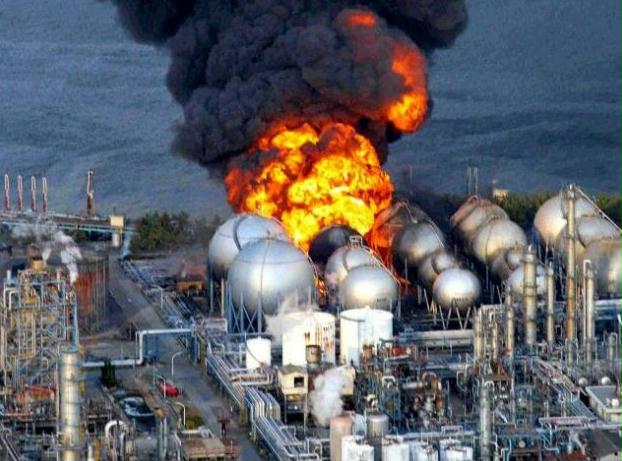
If flooding stops the power supply long enough, as happened in Fukushima, the core can overheat, melting through its container, as well as the nearby spent nuclear fuel pools which unlike the core, are in the open air, releasing deadly levels of radiation.
Turkey Point Nuclear Generating Station, 35 miles south of Miami, was designed to withstand a storm surge of 16 feet, according to documents submitted to regulators by its owner, Florida Power & Light Co. But the updated storm surge is expected to range from 17.4 feet to 19.1 feet at different parts of the plant. Last year, Florida Power & Light sought permission from regulators to extend Turkey Point’s operating license until 2053.
The Waterford power plant, a half-hour drive up the Mississippi River from New Orleans, was designed to withstand a maximum storm surge of 23.7 feet above sea level, according to documents provided to the NRC by Entergy Corp., which owns the plant. The company told regulators that a combination of storm surge and river flooding would create a maximum surge of 31.8 feet.
One of the largest gaps in storm surge protection is at Dominion Energy Inc.’s Surry Power Station, whose two reactors sit on a peninsula jutting into the James River just north of Norfolk, Va. The plant’s east side, which is most exposed to a potential storm surge, was designed to withstand a wall of water as high as 28.6 feet above sea level, Dominion told regulators. The company found that under current conditions, a storm surge combined with river flooding would bring a surge of as much as 38.8 feet.
The NRC directed the operators of the 60 or so working U.S. nuclear power plants to evaluate their current flood risk, using the latest weather modeling technology and accounting for the effects of climate change. Companies were told to compare those risks with what their plants, many almost 50 years old, were built to withstand, and, where there was a gap, to explain how they would close it.
That process has revealed a lot of gaps. But Gregory Jaczko, former chairman of the U.S. Nuclear Regulatory Commission (NRC) and others say that the commission’s new leadership, appointed by President Donald Trump, hasn’t done enough to require owners of nuclear power plants to take preventative measures—and that the risks are increasing as climate change worsens.
Ninety percent of plants, 54 of them, have at least one flood risk exceeding their design. Fifty-three weren’t built to withstand their current risk from intense precipitation; 25 didn’t account for current flood projections from streams and rivers; 19 weren’t designed for their expected maximum storm surge; 19 face three or more threats that they weren’t designed to handle.
The industry argues that rather than redesign facilities to address increased flood risk, which Jaczko advocates, it’s enough to focus mainly on storing emergency generators, pumps, and other equipment in on-site concrete bunkers, a system they call Flex, for Flexible Mitigation Capability. Not only did the NRC agree with that view, it ruled on Jan. 24 that nuclear plants wouldn’t have to update that equipment to deal with new, higher levels of expected flooding. It also eliminated a requirement that plants run Flex drills.
The commission’s three members appointed by President Trump wrote that existing regulations were sufficient to protect the country’s nuclear reactors. Jaczko disagrees as do the two Democratic appointees. “The majority of the commission has decided that licensees can ignore these reevaluated hazards,” commissioner Jeff Baran wrote in dissent. His colleague Stephen Burns called the decision “baffling.” Through a spokesman, the Republican appointees declined to comment.
“Nuclear power is weird—it exists to produce electricity, and at the same time it can’t exist without electricity,” says Allison Macfarlane, who chaired the NRC from 2012 through 2014. Plants need constant power to pump cool water into a reactor’s core; if flooding interrupts that power supply for long enough, as happened in Fukushima, the core can overheat, melting through its container and releasing deadly levels of radiation.
The true risk to U.S. nuclear facilities may be even greater than what the documents from the nuclear commission show. The commission allowed nuclear plant operators not only to perform their own estimates of current flood risk but also to decide what assumptions to make—for example, the maximum likely hurricane speed or how much rain would fall in an extreme storm. (The commission reviews that work.) The commission also rejected a recommendation by their own staff that would require nuclear power plants to update their risk assessments periodically to reflect the advancing threat of climate change.
Whatever the likelihood of a Fukushima-style disaster, the aftermath offers a glimpse of the costs of failure. Eight years later, much of the adjacent city of Okuma remains uninhabitable; in 2016 the Japanese government estimated total cleanup and compensation costs would approach $200 billion.
Preface. Here’s more than half of a New York Times article about China deforesting Russia. Yikes! Peak oil had better come soon before we denude the earth.
From the Altai
Mountains to the Pacific Coast, logging is ravaging Russia’s vast
forests, leaving behind swathes of scarred earth studded with dying
stumps.
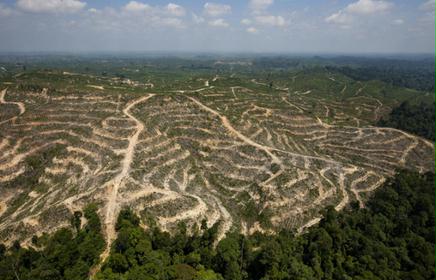
The culprit, to many Russians, is clear: China. Chinese demand is also stripping forests elsewhere — from Peru to Papua New Guinea, Mozambique to Myanmar.
Since
China began restricting commercial logging in its own natural forests
two decades ago, it has increasingly turned to Russia, importing huge
amounts of wood in 2017 to satisfy the voracious appetite of its
construction companies and furniture manufacturers.
“In
Siberia, people understand they need the forests to survive,” said
Eugene Simonov, an environmentalist who has studied the impact of
commercial logging in Russia’s Far East. “And they know their forests
are now being stolen.”
Russia has been a witting collaborator, too, selling Chinese companies logging rights at low cost and, critics say, turning a blind eye to logging beyond what is legally allowed.
In the Solomon Islands, the current pace of logging by Chinese companies could exhaust
the country’s once pristine rain forests by 2036, according to Global
Witness, an environmental group. In Indonesia, activists warn that illegal logging linked to a company with Chinese partners threatens one of the last strongholds for orangutans on the island of Borneo.
Environmentalists
say China has simply shifted the harm of unbridled logging from home to
abroad, even as it reaps the economic benefits. Some warn that the
scale of logging today could deplete what unspoiled forests remain,
contributing to global warming.
At the same time, China is protecting its own woodlands.
Two decades ago, concerns about denuded mountains, polluted rivers and devastating floods along the Yangtze River made worse by damaged watersheds prompted the Communist government to begin restricting commercial logging in the nation’s forests.
The country’s demand for wood did not diminish, however. Nor did the world’s demand for plywood and furniture, the main wood products that China makes and exports.
It
is one thing for Chinese demand to overwhelm small, poor nations
desperate for cash, but it is another for it to drain the resources of a
far larger country, one that regards itself as a superpower and a
strategic partner to China.
The trade
has instead underscored Russia’s overreliance on natural resources and
provoked a popular backlash that strains the otherwise warm relations
between the countries’ two leaders, Vladimir Putin and Xi Jinping.
Protests
have erupted in many cities. Members in Russia’s upper house of
parliament have assailed officials for ignoring the environmental damage
in Siberia and the Far East. Residents and environmentalists complain
that logging is spoiling Russian watersheds and destroying the habitats
of the endangered Siberian tiger and Amur leopard.
China’s stunning economic transformation over the last four decades has driven its demand. It is now the world’s largest importer of wood. The US is second. It is also the largest exporter — turning much of the wood it imports into products headed to Home Depots and Ikeas around the world.
More than 500 companies operate in Russia now, often with Russian partners, according to a report by Vita Spivak, a scholar on China for the Carnegie Moscow Center. Russia once delivered almost no wood to China; it now accounts for more than 20 percent of China’s imports by value.
Russia sells such logging concessions at prices that vary by region and type of wood, but on average, they cost roughly $2 a hectare, or 80 cents an acre, per year, according to Mr. Shmatkov of the World Wildlife Fund. That is far below the cost in other countries.
Government corruption, criminality and the lack of economic development in Siberia and the Far East have made the crisis worse.
Also, in many rural areas of the Russian Far East and Siberia, there are few other ways to make money, or to make a living, than stripping natural resources of the vast surrounding forests. Logging without contracts is also common, while arsonists are suspected of having set fires to forests, because scorched trees can be legally culled and sold.
Preface. Everyone talks about oil spills, but what about the dirty mining that will have a huge polluting footprint on the earth of mercury, arsenic, and other toxic heavy metals. The Pebble mine is canceled for now, but if the authoritarians get back in power, it could be permitted again, and destroy the world’s largest sockeye salmon fishery. Gold mining is destroying fish and river ecology in 173 rivers in 49 countries (see Voosen 2023 below).
Renewables aren’t cleaner and greener than fossils, and require a hell of a lot of fossils to mine the ore, deliver it to a crusher, blast furnace, and fabrication. More like creating Hell on Earth.
Voosen P (2023) llegal mining has muddied tropical rivers worldwide. Silt overload and mercury pollution endanger river ecosystems—and the people who depend on them. Science
Year after year, its waters erode and sluice rock away from mountains, liberating precious metals and whisking them to lowlands, where they are deposited among sediments in riverbeds and floodplains. No need to move mountains; the mountain moves to you.
But the process also draws human miners, especially in the tropics, where homespun operations to extract gold and other riches from river sediments are poisoning waters and drowning aquatic life in sediment. The destruction wrought in places such as Peru, Ghana, and Sumatra has captured headlines.
Gold mining is now the world’s top source of mercury pollution, emitting more than coal-fired power stations.
But the true global extent of the crisis has been obscured by verdant forest canopies, venal companies, and indifferent governments. Miners who once used shovels and pans are now wielding backhoes and dredgers supplied by shady mining concerns, from China and elsewhere.
Now, a comprehensive satellite survey spanning 4 decades shows river mining has surged over the past 20 years and today affects 173 large rivers in 49 countries. Almost 7% of all large tropical river stretches are now cloudy with mining debris.
miners use small-scale techniques not unlike those in 19th century gold rushes. They dredge sediments from the beds and banks of the Amazon tributaries, then add mercury, a cheap and toxic liquid metal, to the watery slurry. It selectively binds to several precious metals, including gold, creating heavier nuggets that fall out of the slurry. After the nuggets are collected, the sediment “tailings” are dumped back into the river.
Researchers have typically focused on the dangers of the mercury, which is burned off as a vapor. It settles in the surrounding ecosystem and can poison the miners themselves. But Dethier was shocked to see how muddy the mining had made the rivers. Some was due to oil palm plantations, but mining was by far the dominant cause.
Sediment clouds the water, interfering with fish spawning since they can’t see or breathe well. It also pollutes drinking water as far as 1000 kilometers downstream.
Bruggers J (2022) ‘Out of control’: Sinking coal industry swamps Kentucky with ‘zombie’ mine violations. Inside Climate News.
As the coal industry collapses in Kentucky, companies have racked up a rising number of violations at surface mines with little enforcement since 2013, no doubt also lax in West Virginia, Virginia, and Pennsylvania due to pressures on the industry and regulators. Zombie mines are those idled for years without any reclamation work. In Kentucky there are over 810 noncompliant surface mining operations. And with so many companies bankrupt, remediation won’t happen until another mine operator takes over. Nor is the state of Kentucky doing enough to negotiate with companies holding bonds meant to cover the cost of reclamation in mining companies that have gone bankrupt. Though even if insurance companies forked over the money it wouldn’t be enough. The bonds are worth about $888 million while costs to clean the sites up will cost up to $2.4 billion.
For more than a decade, indigenous communities in Alaska have been fighting to prevent the mining of copper and gold at Pebble Mine in Bristol Bay, home to the world’s largest sockeye salmon fishery and a crucial source of sustenance. The proposed mine, blocked under the Obama administration but inching forward under the Trump administration, has been billed by proponents as necessary to meet the growing demand for copper, which is used in wind turbines, batteries, and solar panels. Similar stories are playing out in Norway, where the Sámi community is fighting a copper mine, and in Papua New Guinea, where a company has been mining the seabed for gold and copper.
Weighing those trade-offs — between supporting mining in environmentally sensitive areas and sourcing metals needed to power renewables — is likely to become more common if countries continue generating more renewable energy. That’s according to a report out Wednesday from researchers at the Institute for Sustainable Futures at the University of Technology Sydney in Australia. The report, commissioned by the environmental organization Earthworks, finds that demand for metals such as copper, lithium and cobalt would skyrocket if countries around the world try to get their electric grids and transportation systems fully powered by renewable energy by 2050. Consequently, a rush to meet that demand could lead to more mining in countries with lax environmental and safety regulations and weak protections for workers.
The list of metals used in the production of renewable energy is long. It includes the well-known — copper, silver and aluminum — as well as rare earths such as neodymium and dysprosium, used to make magnets for wind turbines. Mining for these metals is currently concentrated in just a handful of countries: Democratic Republic of Congo, China, Chile, and India, among them.
Take cobalt. Each electric vehicle needs between five to ten kilograms of the bluish-white metal for its lithium-ion batteries. The authors consider cobalt a “metal of most concern for supply risks,” because nearly 60 percent of its production takes place in the Democratic Republic of Congo, a country with a dismal record of child labor and human rights abuses. Should the world’s transportation and electricity sectors ever switch to running entirely on renewables, demand for the metal would soar to more than four times the amount available in reserves, according to the researchers.
Taiebat, M., et al. 2019. Forecasting the Impact of Connected and Automated Vehicles on Energy Use: A Microeconomic Study of Induced Travel and Energy Rebound. Applied Energy247: 297
The benefits of self-driving cars will likely induce vehicle owners to drive more, and those extra miles could partially or completely offset the potential energy-saving benefits that automation may provide, according to a new University of Michigan study.
Greater fuel efficiency induces some people to travel extra miles, and those added miles can partially offset fuel savings. It’s a behavioral change known as the rebound effect. In addition, the ability to use in-vehicle time productively in a self-driving car — people can work, sleep, watch a movie, read a book — will likely induce even more travel.
Taken together, those two sources of added mileage could partially or completely offset the energy savings provided by autonomous vehicles. In fact, the added miles could even result in a net increase in energy consumption, a phenomenon known as backfire.
Traditionally, time spent driving has been viewed as a cost to the driver. But the ability to pursue other activities in an autonomous vehicle is expected to lower this “perceived travel time cost” considerably, which will likely spur additional travel.
The U-M researchers estimated that the induced travel resulting from a 38% reduction in perceived travel time cost would completely eliminate the fuel savings associated with self-driving cars.
“Backfire — a net rise in energy consumption — is a distinct possibility.
Mervis, J. December 15, 2017. Not so fast. We can’t even agree on what autonomous, much less how they will affect our lives. Science.
Joan Walker, a transportation engineer at UC Berkeley, designed a clever experiment. Using an automated vehicle (AV) is like having your own chauffeur. So she gave 13 car owners in the San Francisco Bay area the use of a chauffeur-driven car for up to 60 hours over 1 week, and then tracked their travel habits. There were 4 millennials, 4 families, and 5 retirees.
The driver was free. The study looked at how they drove their own cars for a week, and how that changed when they had a driver.
They could send the car on ghost trips (errands), such as picking up their children from school, and they didn’t have to worry about driving or parking.
The results suggest that a world with AVs will have more traffic:
the 13 subjects logged 76% more miles
22% were ghost errand trips
There was a 94% increase in the number of trips over 20 miles and an 80% increase after 6 PM, with retirees increasing the most.
During the chauffeur week, there was no biking, mass transit, or use of ride services like Uber and Lyft.
Three-fourths of the supposedly car-shunning millennials clocked more miles. In contrast to conventional wisdom that older people would be slower to embrace the new technology, Walker says, “The retirees were really excited about AVs. They see their declining mobility and they are like, ‘I want this to be available now.’”
Due to the small sample size she will repeat this experiment on a larger scale next summer.
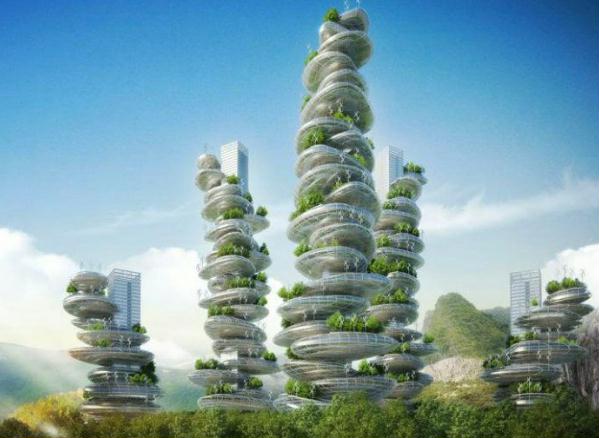
Preface. Vertical farms sound even more impossible than rooftop farms, which at least can use free sunshine. And they use massive amounts of energy to heat, cool, ventilate, light, and so on, not a good direction to go given energy decline beginning in the near future.
Elon Musk hates Paul “the Population Bomb” Erlich who dares to challenge endless growth forever and wants us to all vote Republican (Elon Musk Reveals the Person He Despises). He has an equally stupid brother (and fellow grifter?) who started vertical farms in 2016 that are now failing Square Roots, a tech farming startup that was cofounded by Elon Musk’s brother, Kimbal, shut down the majority of its remaining locations
Peters A (2023) The vertical farming bubble is finally popping Climate change might make growing produce indoors a necessity. But despite taking in more than a billion dollars in venture capital investment, most companies in the industry seem to be withering, unable to turn a profit on lettuce. Fastcompany. This article lists several large companies with many facilities going under or laying off most staff. As of December 2022, $1.7 billion has been invested in indoor growers, more than any other part of agricultural tech. Nearly 20 years after the first vertical farm opened, we need to ask: Is it even possible to compete with the economics of outdoor farming? And how did investors think that they could find Silicon Valley-style returns in . . . lettuce? Then a long list of how expensive they are, such as “a small, 10,000-square-foot farm might have a lighting bill over $100,000 or even $200,000 a year”.
putting a few solar panels on the roof can’t cover the total amount of electricity needed. “In a typical cold climate, you would need about five acres of solar panels to grow one acre of lettuce,” says Kale Harbick, a USDA researcher who studies controlled-environment agriculture. A hypothetical skyscraper filled with lettuce would require solar panels covering an area the size of Manhattan.
Many startups tout that they’ve built their own complex technology to operate the farms, including software that uses computer vision and artificial intelligence to monitor the plants and tweak lights, temperature, humidity, and other factors to optimize growth to lower costs. Their custom robotic systems can plant seeds, move trays of plants, and harvest crops. But when companies each build their own technology, expenses balloon. But they do this because Silicon Valley investors won’t invest in a farm, but they’ll invest in a tech company.
And much more, read the longish article
Reynolds M (2022) Vertical Farming Has Found Its Fatal Flaw. Europe’s energy crisis is forcing companies to switch strategies or close down. The industry’s future hangs in the balance. Wired. the industry is extremely vulnerable to increases in electricity prices, which uses a lot of electricity, about 25% of operational costs, but prices have risen 58% so electricity now eats up about 40% of the costs. Vertical farms are expensive to build compared with conventional outdoor farms. AppHarvest—a US-based firm that builds high-tech greenhouses—has struggled to find enough cash to fund its ongoing operations despite going public in 2021. In its latest quarterly report the company said there is “substantial doubt” about its ability to continue into the future. Most vertical farms grow herbs, shoots, and other leafy salad vegetables. Leafy greens are the industry’s go-to produce because they grow quickly under LEDs and have a short shelf life and premium price point. But with inflation high, consumers might prefer to forgo expensive vertically farmed herbs for something a little more budget-friendly. That’s particularly true for European vertical farms.
Nor has the technology transformed agriculture in the way early proponents promised. For a long time the industry has touted itself as a more sustainable way to grow vegetables, but all the energy needed to light up those LED bulbs means that vegetables grown on vertical farms can end up having higher CO2 emissionsthan those grown in open fields and trucked hundreds of miles to their final destination. In a world where all electricity is generated by renewables, those emissions would be much lower, but that’s not the world we’re living in.
I have a vegetable garden, and after pressing seeds into the soil, with almost no effort I can come back and harvest whatever I planted six weeks later. All of this bounty came from free soil, free sunshine, and free rain, though we do use drip irrigation half the year.
Your proposal of a vertical farm is a laudable goal for increasing food security, helping to feed the 3 billion more people expected by 2050, and reducing the energy and emissions caused by the production and transportation of food long distances.
From what I could find in commercial real estate listings, that’ll set you back about $10 million dollars.
Or you can lease space for $22 to $40 per square foot, at $22 to $40,000 a month for 10,000 square feet in New York city, or better yet lease in the Bronx or Queens where prices are lower (Goodman 2019).
New York City has 193,689 acres, but just a few are indoors or in shipping containers. At best New York could support 1,864 acres of such farms, nearly all of them rooftop (Goodman 2019). But 162,000 to 232,000 acres required to provide residents the 40,760,000,000 pounds of fruits and vegetables they consume every year.
So you found a place. The first thing you’ve got to do is buy lots of lights. Outdoors, all the leaves of a plant need to be directly illuminated by the sun to activate photosynthesis. But indoors, even in a glass-walled room, there’s not enough light. So you’ll need huge amounts of artificial lighting to match what the sun delivers, about 100 times the lighting seen in a typical office building (SA 2019).
And you’ll need a lot of electricity to light all these bulbs. Crops like potatoes or tomatoes need about 1,200 kilowatt hours of electricity for every kilogram (2.2 pounds) of edible fruit produced. If half of America’s vegetable crops were to be grown in vertical farms, just the lighting alone would require over half of all the electricity generated in the U.S. (Cox 2016).
Mills (2012) used the low estimates of how much Cannabis is grown indoors in the U.S. and deduced this consumes about 1% of U.S. electricity (3% of California’s electricity) at a cost of $6 billion a year. That’s equal to the energy used by about 2 million homes. But then they can afford to do so, marijuana commands a price of about $210 to $320 (Statista.com 2018) per ounce whereas fresh vegetables are just pennies per ounce.
You’ll need to pump water up to all the floors. I can’t say how much energy or what it will cost, but water is heavy. The state of California uses a tremendous amount of energy to move water around — 19% of California’s electricity, 30% of its natural gas, and 88 billion gallons of diesel fuel every year, and this demand is growing (Klein 2005).
Although you won’t need pesticides, your crops are still vulnerable to pests and diseases such as black mold (FT 2020)
And that’s just the start, you’ll need haul acres of dirt and fertilizer to every floor, buy shelving to put the plants on, purchase nutrient monitoring systems, machinery to harvest plants, heating and cooling systems, ventilation, shading, dehumidifiers, fans, computers, robotics perhaps, and vans to truck your produce to markets.
There’s only a limited range of crops that can be grown. It only makes sense to grow leafy greens or herbs since most of the plant can be eaten. Other crops have too many inedible leaves, stems, and roots.
You’re not exactly going to be feeding the neighborhood either. A cup of butterhead lettuce weights 55 grams (2 ounces) and contains 7.2 calories, so customers will need to eat 280 cups of greens weighing 15,400 grams (34 pounds) to get their daily required 2,000 calories (SelfND 2018).
If you don’t find any of this daunting and go ahead with the project, congratulations, you’ll be the only vertical skyscraper farm in the U.S. and the rest of the world, except for Japan (Takada 2018). It will be interesting to see if Japanese, and a new vertical farm being built in Dubai, enterprises can compete with farms on the ground in cities or near them, and nearby massive greenhouse operations that can use natural sunshine.
FT. 2020. Vertical farming: hope or hype? Financial Times.
Goodman, W., et al. 2019. Will the Urban Agricultural Revolution Be Vertical and Soilless? A Case Study of Controlled Environment Agriculture in New York City. Land Use Policy 82.
Klein, G., et al. 2005. California’s water-energy relationship. California Energy Commission.
Preface. Just a few of the many articles in the media on antibiotic resistance, which like climate change, will make matters worse for whoever survives Peak Oil. And it won’t be just bacterial resistance, fungi are now growing resistant to drugs as well, probably because of excessive use of fungicides in agriculture.
My summary: Lately there has been an explosion of resistant fungi such as Candida auris, which preys on people with weakened immune systems. It is spreading around the world — to Venezuela, Spain, Britain, India, Pakistan, South Africa and recently New York, New Jersey, and Illinois.
C. auris is tenacious because it is impervious to major anti-fungal medications, making it a new example of one of the world’s most intractable health threats: the rise of drug-resistant infections. C. auris infections are resistant to at least one drug, and 30% are resistant to two or more drugs. Nearly half of patients who contract C. auris die within 90 days.
In the U.S. 2 million people get resistant infections every year, and 162,000 die from them.
Some scientists cite evidence that heavy use of fungicides on crops is contributing to the surge in drug-resistant fungi infecting humans.
You may never have heard of Acinetobacter baumannii, Pseudomonas aeruginosa, or the Enterobacteriaceae—but these three killers top a new list, drawn up by the World Health Organization (WHO) in Geneva, Switzerland, of bacteria for which new drugs are desperately needed. Unveiled today, the list contains 12 bacteria and bacterial families, with the top three making up the category “critical”.
WHO hopes that pharmaceutical companies will give these bugs priority in developing antibiotics, but these drugs are not an attractive investment because they’re only taken a short time and usage restricted. Far more profitable are the drugs for chronic diseases.
Doctors, researchers, and health officials have been sounding the alarm for years about the rise of antibiotic resistance. The list took into account the level of resistance each class of pathogen has already acquired, how deadly it can be, how widespread, and the burden it causes to health systems.
The top three are all gram-negative bacteria that are resistant to multiple drugs. They aren’t widespread yet, but they do cause severe, frequently deadly infections in hospitals, especially in people who are already immune compromised—including transplant recipients, chemotherapy patients, and elderly people. These bacteria can cause deadly infections if they take up residence in the respiratory system or bloodstream. The most dangerous strains have recently acquired resistance to a class of antibiotics called carbapenems, the only group that still killed them effectively.
Nine more pathogens round out the agency’s dirty dozen: Six are listed as high priority, including drug-resistant strains of Neisseria gonorrhoeae, which causes gonorrhea, and food-borne agents like Salmonella and Campylobacter. Bacteria in this category cause infections that are less deadly than those caused by the three critical-level bugs, but they are much more widespread. Three “medium” priority organisms all are susceptible to some drugs, but are increasingly becoming resistant.
A food poisoning bug found in three-quarters of British supermarket chicken is showing drastically increased resistance to antibiotics, which may mean it will become harder for doctors to treat. The Food Standards Agency (FSA) tested campylobacter bacteria found in poultry. It said resistance to certain antibiotics, including a commonly used drug to treat the bug, ciprofloxacin, had more than doubled in some strains. It also found a big increase in resistance to the antibiotic nalidixic acid, with more than half of two common strains, C.jejuni and C.Coli, found to be resistant to the drug. Both antibiotics are classed as “critically important,” which means a drug is the only option or one of very few alternatives for treating human illnesses. Across the 283 samples tested by the FSA, 5% had developed resistance to multiple drugs. The FSA noted that 900 million chickens are produced in the UK every year, which means millions could be carrying multi-resistant-bacteria. According to The Bureau of Investigative Journalism (TBIJ), campylobacter is responsible for half a million infections, 100 deaths and 80,000 GP consultations every year, costing a total of £900 million (US$1.17 billion).
Important antibiotics for which resistance has developed: Penicillin, The golden age of antibiotics appears to be coming to an end. Now, common ailments are regaining the power to kill.
More than 100 antibiotic compounds have been introduced since penicillin, and many important ones have developed resistance, such as: Tetracycline, Erythromycin, Methicillin, Gentamicin, Vancomycin, Imipenem, ceftazidime, Levofloxacin, Linezolid, Daptomycin, Ceftaroline.
Researchers haven’t identified a new class of antibiotic medication since 1987.
But almost as soon as they were given to patients, scientists began finding evidence that disease-causing bacteria were developing resistance to these new wonder drugs.
Bacteria meet, mate, compete and evolve inside living bodies. When an antibiotic is added to the mix, only the strongest survive. Yet only 30% of Americans believe that antibiotic resistance is a significant problem for public health.
Humans have accelerated this natural process by indiscriminately prescribing antibiotics and by routinely feeding the drugs to livestock, scientists say. Multiply the number of humans and animals taking these drugs, and you multiply the opportunities for antibiotic-resistant strains to emerge.
Each year, more than 2 million people in the U.S. are infected with a bacterium that has become resistant to one or more antibiotic medication designed to kill it, according to the federal Centers for Disease Control and Prevention. At least 23,000 people die as a direct result of antibiotic-resistant infections, and many more die from other conditions that were complicated by an antibiotic-resistant infection, the agency says.
The problem goes beyond treating infections. As bacterial resistance grows, Lesho said, “we’re all at risk of losing our access” to medical miracles we’ve come to take for granted: elective surgeries, joint replacements, organ transplants, cancer chemotherapies. These treatments give bacteria an opportunity to hitch a ride on a catheter or an unwashed hand and invade an already vulnerable patient.
Multi-drug resistant tuberculosis (MDR-TB) is growing. Existing drugs for TB cure only about half of those treated for MDR-TB. Only one new drug has been introduced in 40 years, despite global efforts.
MRSA – or methicillin-resistant Staphylococcus aureus – has been joined by a staph that resists another last-resort drug, vancomycin. Livestock reared using antibiotics can develop MRSA infections. Such strains can spread among humans, as shown by recent human cases in Denmark even though it has banned antibiotic growth-promoters in livestock.
CRE – or carbapenem-resistant Enterobacteriaceae – is a group of gut bacteria that resists carbapenems – antibiotics of last resort. One set of CRE genes was first seen in India in 2009 and has since been found around the world. The bacteria can cause urinary tract infections, and the resistant strain is making this widespread ailment untreatable.
Amos, G. C. A. Amos, et al. May 5, 2014. Waste water effluent contributes to the dissemination of CTX-M-15 in the natural environment, Journal of Antimicrobial Chemotherapy2014; 69: 1785 – 1791.
Wastewater treatment plants could be unwittingly helping to spread antibiotic resistance, say scientists. Their research suggests that processing human, farm and industrial waste all together in one place might be making it easier for bacteria to become resistant to a wide range of even the most clinically-effective antibiotics. With so many different types of bacteria coming together in sewage plants we could be giving them a perfect opportunity to swap genes that confer resistance, helping them live. This means antibiotic-resistant bacteria may be evolving much faster than they would in isolation.
The research, published in Journal of Antimicrobial Chemotherapy, shows that there are now reservoirs of highly resistant gut bacteria in the environment, threatening human and animal health.
We urgently need to find new ways to process waste more effectively so we don’t inadvertently contribute to the problem of drug-resistant bacteria.
Earlier studies have suggested that farmingand waste processing methods contribute to reservoirs of resistant bacteria in the environment. But, until now, very few studies had looked at whether or not wastewater effluent contributes to the problem.
‘We’re on the brink of Armageddon and this is just contributing to it. Antibiotics could just stop working and we could all be colonized by antibiotic-resistant bacteria.’ Professor Elizabeth Wellington of the University of Warwick.
Gonorrhoea, a sexually transmitted infection also known as “the clap”, is making a comeback – and this time it may be incurable. New strains have emerged that resist the last few antibiotics that still worked against the disease. In a rare public alert last week, the World Health Organization warned that highly resistant cases of gonorrhoea have now been detected in Japan, Europe and Australia. It is calling for a worldwide effort to track the superbug – and to develop new gonorrhoea drugs and vaccines.
That’s a slim hope. Between the limited profits to be made from drugs that cure infections and the previous success of antibiotics against gonorrhoea, there has been little investment in the disease. “There are no new therapeutic drugs in development,” says Manjula Lusti-Narasimhan of the WHO’s Department of Reproductive Health and Research.
Yet epidemiological models show that the current official policies for managing gonorrhoea are virtually guaranteed to lead to a rebound in cases, and to antibiotic resistance.
Neisseria gonorrhoeae, also known as Gonococcus, infect an estimated 106 million people a year worldwide. The infection causes painful urination in men and can be symptomless in women, but left untreated it may cause painful pelvic inflammation and potentially fatal ectopic pregnancy. It can cause blindness in babies, and makes it easier to contract HIV.
N. gonorrhoeae is now resistant to penicillin, and the subsequent families of antibiotics used to treat it. Now only a couple of third-generation cephalosporin antibiotics are left. But resistance to these has been creeping up, and last year N. gonorrhoeae resistant enough to be dubbed a “superbug” was reported in Japan. Worse, the models show that relying on one drug until resistance builds up, then switching to another – precisely what health agencies have done – causes resistance fastest.
But people who change partners such as sex workers and promiscuous communities of men who have sex with men, are likely to pass on the infection. Targeting such groups for treatment caused gonorrhoea infection rates to drop steeply in industrialized countries since the 1970s – but now they are climbing again.
Preface. After reading this post, or better yet the original 44-page document, you’ll understand why the Green New Deal isn’t working out despite being crazy expensive.
The goal of Energiewende was to make Germany independent of fossil fuels. But it hasn’t worked out. The 29,000 wind turbines and 1.6 million PV systems provide only 3.1% of Germany’s energy needs and have cost well over 100 billion Euros so far and likely another 450 billion Euros over the next two decades. And much more than that when you add in the extra cost of maintaining fossil generation systems to back up the lack of wind and sunshine from microseconds to weeks.
Because of rebuildable’s wind and solar extremely low energy density and need for a great deal of space, forests are being cut down, pits dug, and filled with hundreds of tons of reinforced concrete for wind turbines to stand on, 5 acres per turbine. With the forest no longer protecting the soil, it is now vulnerable to wind and rain erosion.
Because wind and solar farms get a guaranteed price for 20 years, they have
no need to innovate, do research, or please customers, who paid them 176
billion euros for electricity with a market value of just 5 billion euros from
2000-2016. This is money that taxpayers could have used to build bridges,
energy efficient buildings, or renovate schools, which would create even more
jobs than the wind and solar industry claims so they can tout themselves as
good for society, perhaps they aren’t so great when you look at other ways and
jobs that could have been created with all the subsidies (Vernunftkraft 2018).
Germany’s electricity rates have skyrocketed to the highest levels in the EU because of the Energiewende debacle.
Other news about
Energiewende:
Germany’s Federal Audit Office has accused the federal government of having largely failed to manage the transformation of Germany’s energy systems (Energiewende program), and will miss its targets for reducing greenhouse gas emissions, energy consumption and the share of renewable energy in transport.
At the same time, policy makers had burdened the nation with enormous costs. The audit further concluded that the program is a monumental bureaucratic nightmare.
When it’s windy and bright, the grid is so flooded with power that prices in the wholesale market sometimes drop below zero.
Transport consumes 30 percent and mining & manufacturing 29% of Germany’s power, but for each, only 4 percent of its energy comes from renewables. Households use 26% of power, but only 13% of it comes from renewables, and Trade, commerce and services 15% but just 7% renewables.
Germany’s carbon emissions have stagnated at roughly their 2009 level. The country remains Europe’s largest producer and burner of coal, which generates more than one-third of Germany’s power supply. Moreover, emissions in the transportation sector have shot up by 20 percent since 1995 and are rising with no end in sight
The Energiewende has the goal of making Germany independent of fossil fuels in the long term. Coal, oil and gas were to be phased out, allowing drastic reductions in carbon dioxide emissions. However, these goals have not even begun to be achieved.
The idea of meeting our country’s energy needs with wind power and solar energy has proven to be an illusion. At present, around 29,000 wind turbines and 1.6 million photovoltaic systems together account for just 3.1 % of our energy requirements. There were hardly any successes in the heating/cooling and transport sectors.
Well over a hundred billion euros have been spent on the expansion of solar and wind energy over the same period. The financial obligations undertaken in the process will continue to burden taxpayers for another two decades and will end up costing German consumers a total sum of around 550 billion euros.
To compensate for the lack of reliability of wind and sun and to be able to actually replace conventional power generation, gigantic amounts of electricity storage would be required. The replacement of controllable power generation with a fluctuating power supply is impossible without storage and unaffordable with it.
A reliable supply of electricity around the clock is
taken for granted by citizens of the Federal Republic of Germany. But only
those who have taken a closer look will appreciate the importance of a reliable
power supply for our highly complex, high-tech society. It is not just about
comfort and convenience. It is not only a matter of maintaining an essential
input for important manufacturing processes; it is about nothing less than the
functioning of civilized community life.
A fundamental characteristic of electrical current must
be taken into account when answering this question: it must be produced, to the
millisecond, at the moment of consumption, giving an exact balance between
power supply and demand. Stable power grids are based on this principle.
At the end of September 2017, more than 27,000 wind
turbines with a rated output of 53,374 MW were installed in Germany. Nominal
power is defined as the highest power that can be provided permanently under
optimum operating conditions (strong to stormy wind conditions). In Figure 2,
the dark blue areas represent the delivered power from the German wind turbine
fleet during September 2017. A total of 6,380 GWh (1 GWh = 1 million kWh) was
sent to the grid, corresponding to just 16.6 % of what was theoretically
possible.
For approximately half of September 2017, the power
delivered by the wind fleet was less than 10 % of the nominal capacity. Values
above 50 % were reached only 5.3 % of the time, in essence only on 8 and 13–15
September.
Electricity consumption in September 2017 was 39,000 GWh.
Wind turbines delivered for 6400 GWh of this and PV systems another 3100 GWh.
The minimum power input by all of the PV and wind energy systems was below 0.6
GW, representing less than 1% of the installed capacity of 96 GW.
Since wind and
solar are often absent, conventional power plants are needed to ensure grid
stability at all times – often over long periods. Consumers pay for the costs of maintaining two
parallel generation systems.
There is no
discernable smoothing effect from the size and geographical spread of the wind
fleet: the argument that the wind is always blowing somewhere is not true. Even
a Europe-wide wind power expansion in conjunction with a perfectly developed
electricity grid would not solve the problem of the fluctuating wind energy
generation. It is quite possible for there to be no wind anywhere in Europe.
Anyone who studies
the feed-in characteristics of electricity generation from wind power and PV
systems thoroughly must realize that sun and wind usually supply either far too
little or far too much – and that one cannot rely on anything but chance.
Despite the increased capacity and the increasing peaks,
the guaranteed output of all 27,000 wind turbines and the 400 million m² of PV
systems remains close to zero because of their weather-dependency. This is a
particular problem in the winter months, when electricity consumption is high.
Even the ‘dumping’
of electricity abroad to reduce the surplus energy will become increasingly
difficult, since neighboring countries are closing themselves off with
electricity barriers in order to protect their own grids.
There is no sunshine at night and electricity cannot be
stored in bags
The wind energy statistics reveal the absurdity of
wanting to tackle the problem of intermittency through construction of
additional power lines and extensive wind power expansion.
So even with a European electricity grid based on wind
turbines, a 100 % replacement system would always have to be available to
ensure the security of electricity supply.
With PV systems,
the lack any smoothing of electricity over the diurnal and seasonal cycles is
even more evident. It is obvious that the generation peaks in Germany occur at
the same time as the peaks in the other European countries. This is due to
the size of the low pressure areas, which results in a positive correlation of
wind power generation levels across the continent: if too much electricity is
produced in Germany, most of our neighbors will be over-producing too. This
calls into question the sense of network expansion a priori.
German energy
consumption is particularly high in the winter months, especially during
inversion weather conditions, when PV systems barely supply any electricity due
to clouds and wind turbines are usually at a standstill. The weather-dependency
of electricity generation would thus have direct and fatal effects on the
transport sector. It would not be possible to heat electrically either. In
other words, renewable energy can’t keep transportation or heating going.
Climate protection: a bad joke with deadly undertones
No discussion
about the construction of wind turbines and no energy policy document of the
last federal government can avoid the suggestion that the Energiewende might
help avert the dangers of climate change.This is why the last German government continually described the EEG as
a central instrument of climate protection. The thesis – often presented in a
shrill, moralizing tone – is that the expansion of ‘renewable energies’ is a
human obligation in view of the impending global warming apocalypse.
Particularly perfidious forms of this thesis even suggest that not expanding
wind power plants in Germany would mean that we would soon be dealing with
‘billions of climate refugees’.
At least one
hectare of forest is cleared per wind turbine and is thus permanently
destroyed. Afforestation elsewhere cannot make up for this, since old trees are
in every respect much more valuable than new plantations. The negative effects
of global warming predicted for Germany are more frequent floods and droughts,
but forest is the best form of protection against soil erosion, cleaning soil
and storing water.
Whether it is
forest destruction, cultivation of maize for biogas plants, the destruction of
habitats or the direct killing of birds and bats – the massive expansion of
‘renewable energies’ has appalling consequences, the result of their low energy
density and the resulting requirement for vast areas of land.
Besides
intermittency, the core problem of wind and solar energy is that it is
generated in a very diffuse form. Anyone who has ridden a bike against the
wind will understand: a headwind of 3m/s makes clothes flutter a little, but
hardly makes it difficult to pedal. Water, on the other hand, flowing towards
us at the same speed, will wash us away. This is because the power of water is
comparatively concentrated, while the power of the wind is much more diffuse.
In the case of hydropower, ‘collecting from the surface’ is done by a wide
system of ditches, brooks, rivers and streams. If you want to ‘capture’ the
power of the wind, you have to do the tedious work of concentrating the energy
yourself – requiring a multitude of collection stations and power lines to
connect them. Instead of ditches, streams, and rivers wind power required
200-m-high industrial installations, pylons and wires. Inevitably, natural
areas become industrialized and opportunities for retreat in nature are gradually
destroyed.
A few years ago, a
wind turbine invasion of the many forests that have been managed for decades in
accordance with the principle of sustainability was still unimaginable. But
huge pits are now being dug and filled with thousands of tons of reinforced
concrete, with considerable effects on the ecosystem. The effects on wildlife,
soils and water as well as on the aesthetics and natural harmony of hilltop
landscapes are catastrophic.
The direct cost
drivers of electricity prices are the feed-in tariffs set out in the
legislation: operators of wind farms, PV and biomass plants will receive a
guaranteed price per kilowatt hour, fixed for 20 years after commissioning.
This is set at a level that is many times higher than the market price. The
difference is passed on to (almost) all consumers via the electricity price. In
addition, producers are guaranteed to be able to sell electricity into the grid
at that price, regardless of whether there is a need for it or not.
In the period
2000–2016, 176 billion euros were paid by electricity consumers to renewables
companies, for electricity with a market value of just 5 billion euros.
What else could have been done with this money? This is known in economic terms as the
‘opportunity cost’. For example, the St
Gotthard tunnel opened in 2016 at a cost of 3.4 billion euros; the Hamburg Elbe
Philharmonic Hall cost 0.8 billion euros. The refurbishment needs of all German
schools are estimated to total just 34 billion euros.
The fact that
electricity from wind and sun is randomly produced puts the power supply system
under considerable and increasing stress. The task of transmission system
operators to maintain a constant 50Hz alternating voltage becomes more
difficult with each additional weather-dependent and privileged feeding system.
In order to cope with increasing volatility, the generation output must be
repeatedly intervened in order to protect line sections from overload.
If a bottleneck threatens at a certain point in the grid,
power plants on this side of the bottleneck are instructed to reduce their
feed-in, while plants beyond the bottleneck must increase their output. The
need for re-dispatching will continue to
increase. Together with the expansion of
wind power, the costs of these re-dispatching measures rose continuously. By 2015, grid operators had to spend a
billion euros to protect the power grid from the blackout. Since this billion
did not ‘fall from the sky’, the unreliability of EEG electricity is reflected
in higher electricity prices.
But that’s not all: In
order to protect themselves from unwanted erratic electricity inflows and to
prevent their grids from being endangered, our neighbors in the Czech Republic
and Poland were forced to install phase shifters, i.e. to erect ‘electrical
current barriers’. The costs of these self-defense measures are also borne by
German consumers.
The ‘energy revolution’ is often referred to as a modernization
and innovation program. Germany will become a global leader in technology
development, is the slogan. In green-inspired literature, ‘wind and solar’
should be celebrated as the ‘winners’. However, the real world is only
partially impressed by this case: those technologies that prove to be economic
will win, not those that bureaucrats and officials favor. Long-term economic
gains can only be made through competition. However, with renewables, the
competitive mechanism is switched off: prices and quantities are determined in
a political process, the outcome of which is ultimately determined by the
producers of renewable energy themselves.
If post-war governments had adopted the same approach for
the automobile industry, it might have demanded that by the year 2000 every
German must have a car. The Volkswagen Beetle – at the time, one of the most
technically advanced cars in the world – would have been declared an industry
standard and a purchase price that would deliver `cars for all’ would have been
determined in a biennial consultation process between government and
manufacturers. As a result, we would still have vehicles of the technical
standard of the VW Beetle, innovation would be irrelevant, and the German
industry would never have achieved its position of global leadership.
The plight of the German photovoltaic industry, which
rapidly lost international market share and had to cope with many insolvencies,
is an example of this. The availability of easy money – subsidies – was the
main rea son for the sector’s loss of competitiveness. It is a harbinger of what can be expected in
other artificially nurtured segments of the renewables sector.
Subsidies, however, take away their incentive to
innovate. German PV companies invested only 2–3 % of their sales in research
and development. In the highly competitive automobile industry, the equivalent
figure is 6%; in the pharmaceutical industry it is even higher, at around 9 %.
Subsidies make businesses sluggish.
Green jobs? On
large posters and in advertisements in autumn 2015, the Energiewende
congratulated itself for the creation of ‘230,000 sustainable jobs’. This myth
of a ‘job creating’ energy transition is regularly disseminated. Of course, the
energy transition is shifting purchasing power from traditional consumer and
capital goods industries to industries that produce wind turbines, solar panels
and other equipment. This shift generates gross jobs in the those sectors:
wind turbines, solar parks and biogas plants must be built. The components have
to be produced, delivered and assembled; the finished systems have to be
maintained. The investments require financing and credit agreements. This
creates employment in banks and law firms. Subsidies must be regulated and
monitored, which leads to even employment in the bureaucracy and, once again,
lawyers’ offices.
It should also be
noted that were the money not spent on ‘renewable energies’, investments could
have been made in other areas that would also have created employment. If, for
example, the 178 billion euros mentioned above had been used to renovate
schools, the order books of countless businesses would have remained full for
many years to come.
If one wants to focus not only on short-term economic
effects, but also on long-term growth, one has to ask not only about the scope,
but also about the type of investments made. Otherwise you run the risk of
losing to ‘Broken Window’ fallacy. According to this, a large stone would have
to be thrown through the nearest window as powerfully as possible as an
immediate measure of economic policy. This would ultimately give the glazier a
large order and thus income, of which he would spend a portion on the
confectioner, for example, and thus generate income again. An income that he in
turn would spend partly on the butcher, resulting in a virtuous circle that
would ultimately benefit everyone and increase national wealth…
Anyone who
produces electricity will be remunerated at a guaranteed rate far above the
market price for a period of 20 years. EEG beneficiaries do not need to worry
about the needs of customers, the offerings of competitors, technical progress
or other such ‘banalities’. The search for profitable locations is made
easier for wind power producers insofar as the fixed prices per kWh are in
essence higher at ‘bad’ locations than at ‘good’ ones. This principle – of incentivizing
the use of bad locations – can intuitively be recognized as foolish, but was
nevertheless adopted in the tendering procedures of the 2017 revision of the
EEG. This absurdity was justified with a claim the fact that an expansion of
the area covered in windfarms would lead to a reduction in the volatility of the
electricity supplied – a fundamentally wrong idea
Tax consultant
Daldorf, analyzed over 1600 annual financial statements of wind energy projects
between 2005 and 2013. They found that the vast majority of wind farms in
Germany operate at a loss. With many local wind farms, investors are lucky
to get their original investment back at all. Daldorf gives the following
reasons for the poor performance of windfarms:
poor wind assessments or no one-year wind
measurements on site
erroneous wind indexes as a basis for planning
overly low margins of error in wind forecasts
underestimates of plant downtime for maintenance
and repairs
’planning optimism’ of the project promoters as
a strategy for maximizing profits
The operators and investors bear the full risk. Before
they can make a profit, the following costs must be covered from the sales
achieved:
lease costs
insurance premiums, fees
maintenance costs
repairs, reserves for dismantling costs
management costs
administrative and other costs
interest-costs
taxes
The cubic
relationship between wind force and power generation is decisive for the
frequent red numbers: a doubling or halving of the wind speed changes the
generation by a factor of eight. The smallest deviations from the expected
wind input are reflected in sharp deviations in power generation and thus in
revenues. Measurements on wind masts are the most accurate method, but even
here the typical error range is 2–8 %. The uncertainty of measurement alone
causes an uncertainty of the expected yield of up to 16 %. Measurements with
optical methods (LIDAR) or even wind assessments are even less accurate. Anyone
who evaluates such measurements will find that the operation of wind farms
entails considerable economic risks. These risks apply in particular to wind
assessments, whose error rate is in the order of 20 %.
The profit is
almost solely determined by the annual electricity yield. No matter how clever
the marketing may be, it cannot influence profitability, which depends on the
whims of the weather.
Investment in wind turbines on the basis of wind
assessments is close to gambling. Anyone who does so is responsible for their
own downfall. However, anyone who lives in a community whose elected
representatives fall for the promises of windfarm promoters is virtually forced
to the roulette table.
The cardinal problems – weather-dependence and low energy density – are unsolved or unsolvable.
My note: there are even more reasons in this document than I have listed above for why Energiewende is a failure. And also see:
Preface. France is one of the few nations trying to use fewer pesticides. This is the direction we must go to prepare for the end of the fossil age, since pesticides are made out of finite petroleum. Also, we are running out of new pesticides since like antibiotics, pests develop resistance on average after only 5 years.
Gunstone et al (2021) found that pesticide contamination of soil harm ed 70.5% of the the biologically diverse organisms they studied that perform many important functions such as nutrient cycling, soil structure maintenance, carbon transformation, and the regulation of pests and diseases. This is a great article if you want to learn more about soil and the creatures dwelling in it and how pesticides harm them.
Sadly, even organic farms that were converted from conventional farms still have pesticides 20 or more years later, though far less than conventional farms. This study found that the fewer the pesticides, the healthier the soil ecosystem, which does the same job as pesticides in protecting crops without poisoning soil, air, and water (Riedo et al 2021).
Declining fossils will help end some spraying. In the U.S. House of Representatives hearing on April 14, 2011 titled “Small Business Committee Document Number 112–011”, Richter Aviation testified that high fuel prices increase food prices and limit the ability of aircraft to spray crops and forests with pesticides. This is how 18% of pesticides are applied in the U.S. Especially if the ground is wet or rolling. U.S. House of representatives. April 14, 2011. Drilling for a solution: finding ways to curtail the crushing effect of high gas prices on small business.
Pesticide contamination of the soil can cause environmental harm. Pesticides are often applied directly to soil as drenches and granules and increasingly in the form of seed coatings, making it important to understand how pesticides impact soil ecosystems containing an abundance of biologically diverse organisms that perform many important functions such as nutrient cycling, soil structure maintenance, carbon transformation, and the regulation of pests and diseases. Many terrestrial invertebrates have declined in recent decades due to habitat loss and agrichemical pollution.
Here, we review nearly 400 studies on the effects of pesticides on non-target invertebrates that have egg, larval, or immature development in the soil. This review encompasses 275 unique species, taxa or combined taxa of soil organisms and 284 different pesticide active ingredients or unique mixtures of active ingredients. We identified and extracted relevant data in relation to the following endpoints: mortality, abundance, biomass, behavior, reproduction, biochemical biomarkers, growth, richness and diversity, and structural changes. This resulted in an analysis of over 2,800 separate “tested parameters,” measured as a change in a specific endpoint following exposure of a specific organism to a specific pesticide. We found that 70.5% of tested parameters showed negative effects, whereas 1.4% and 28.1% of tested parameters showed positive or no significant effects from pesticide exposure, respectively.
The EPA, which is responsible for pesticide oversignt acknowledges taht 50 to 100% of pesticides end up on the soil, yet to test the harm done they use only one test species — bees — that aren’t even in the soil, but above ground, who may never touch the soil in their lifetime.
Soils are one of the most complex ecosystems on the Earth with almost a quarter of the planet’s biodiversity.
Stokstad, E. 2018. A new leaf. A decade ago France launched an ambitious effort to cut pesticide use by half. It failed. Now the country is trying again. Science 362: 144-147.
Months earlier, Fremont had planted this vetch and clover along with the rapeseed. The two legumes had grown rapidly, preventing weeds from crowding out the emerging rapeseed and guarding it from hungry beetles and weevils. As a result, Fremont had cut by half the herbicide and insecticide he sprayed. The technique of mixing plant species in a single field had worked “perfectly,” he said.
This innovative approach is just one of many practices, now spreading across France, that could help farmers achieve an elusive national goal. In 2008, the French government announced a dramatic shift in agricultural policy, calling for pesticide use to be slashed in half. And it wanted to hit that target in just a decade. No other country with as large and diverse an agricultural system had tried anything so ambitious. The goal “was very revolutionary,” says Henriette Christensen of the Pesticide Action Network in Brussels, especially because France is the second largest consumer of pesticides in Europe.
Since then, the French government has spent nearly half a billion euros on implementing the plan, called Ecophyto. It created a network of thousands of farms that test methods of reducing chemical use, improved national surveillance of pests and plant diseases, and funded research on technologies and techniques that reduce pesticide use. It has imposed taxes on farm chemicals in a bid to decrease sales, and even banned numerous pesticides, infuriating many farmers.
The effort has helped quench demand on some farms. Overall, however, Ecophyto has failed miserably. Instead of declining, national pesticide use has increased by 12%, largely mirroring a rise in farm production. “We lost 10 years since 2008,” says François Veillerette of Générations Futures, an environmental advocacy organization in Paris. “We can’t afford to waste 10 more.”
Officials are now finalizing a revised plan dubbed Ecophyto 2+ to boost research, add demonstration farms, increase taxes on pesticides, and prohibit more compounds. President Emmanuel Macron has even urged a ban of glyphosate, the world’s best-selling weed killer and an important tool for many farmers.
Details of the revised plan, including funding levels, are still being decided. But some observers are already skeptical. Farmers fear burdensome rules and increased costs that will put them at a competitive disadvantage. Environmental organizations worry France will again fall short. “There are good ideas,” says Carmen Etcheverry, formerly of France Nature Environnement in Paris. “But we don’t know how they will be implemented.”
There is also optimism. Despite Ecophyto’s failure, it showed farmers have powerful options, such as mixing crops, planting new varieties, and tapping data analysis systems that help identify the best times to spray. With the right incentives and support, those tools might make a bigger difference this time around. And the fact that France isn’t backing away from its ambitious goal inspires many observers. “You feel,” says Robert Finger, an agricultural economist at ETH Zurich in Switzerland, “that something vivid is going on.”
After WWII synthetic herbicides, fungicides, and insecticides greatly boosted French farmers’ harvests and profits. But the chemicals contaminated groundwater, lakes, and streams, and they harmed farm workers and wildlife. Consumers became wary, and by the 1970s public opposition to pesticides was growing.
During the 2000s, pesticide sales fell as farmers applied them with increasing efficiency and sometimes switched to more effective compounds that required smaller doses. But the ambition to do much better crystalized in 2007, when then–French President Nicolas Sarkozy convened a conference to set a 5-year environmental agenda. Ecophyto was the result, negotiated between environmentalists, farm unions, pesticide-makers, and others. It included a major political concession; the 50% cut would be reached “if possible,” which meant that much of the plan was voluntary.
Still, Ecophyto served as a catalyst. Research funds were targeted at evaluating smarter ways to use pesticides. Approaches were tested on some 3000 farms that joined a demonstration network. Officials recruited observers around the country to scout for pests and plant diseases and provide weekly reports; the surveillance helps farmers decide when spraying might be a waste of resources. On average, farms in the demonstration network decreased their pesticide use by 18%, and most did it without sacrificing profits.
But France’s overall use of chemical pest control went up. Many factors contributed. Taxes on chemicals, for example, weren’t high enough to influence buying decisions. It was difficult to persuade some farmers to adopt new practices or technologies that might add to their costs or decrease yields. Ecophyto’s funding—about €70 million a year since 2016—was too low and “out of all proportion to the challenge,” France’s inspector general concluded late last year. And market forces, such as high prices for cereals, may have created an incentive to spray more chemicals to protect unusually lucrative harvests.
Yet veterans of Ecophyto aren’t discouraged. On many farms, analysts say, it appears that existing technologies and practices alone could cut chemical use by at least 20%.
The 450 hectare vineyards at Ducourt Estate in Ladaux, France, produce about 3 million bottles of wine each year. In a long garage, massive four-wheeled tractor-sprayers stand 3 meters tall. Each carries a 2200-liter tank for fungicide. Their articulated arms, studded with nozzles, can spray chemicals on four rows of grapes in one pass, killing mildew and other plant pathogens.
Winemakers are France’s biggest users of fungicides, although most are based on sulfur and copper, rather than more toxic synthetic molecules. Still, the sight of Ducourt’s yellow beasts trundling through the vineyards can unnerve estate neighbors worried about farm chemicals, says Jeremy Ducourt, who helps manage the family owned business. The machines are actually “a big part of the solution,” he says. That’s because they helped the estate reduce its use of fungicides by about 30%, thanks to nozzles that put more fungicide on the plant and less on the ground. The most advanced sprayers even collect and reuse any lingering mist.
Similar high-efficiency sprayers are available for other crops, and just replacing older models with newer machines could make a dent in France’s chemical use. But upgrades don’t come cheap. The Ducourt Estate’s sprayers, which double as harvesters, cost about €320,000. Add the fact that only 3% of the nation’s 200,000 sprayers are replaced each year, and it could take decades to fully upgrade the fleet.
The Ducourt family has also cut fungicide by using decision support software. The program draws on timely weather, surveillance, and other information, such as the size of leaves, to advise when to spray. The tool can reduce fungicide use by about 20% in vineyards, and cereal growers have seen similar results. But such tools haven’t yet spread to all farms. Potato farmers, who also spray copious fungicides, now use the tools on about half of their fields, but aim to increase that share to 90% within 5 years.
When it comes to insects, it’s much more difficult for software to predict outbreaks in fields. So, farmers must diligently scout their fields so that they can apply insecticides before pests multiply out of control. Ecophyto 2+ aims to boost a non-insecticide approach called biocontrol. In this long-standing approach, farmers confuse pests with pheromones, for example, or seek to reduce populations by introducing the pest’s natural predators. Advocates highlight the strategy’s success in France’s ample fields of maize. There, a tiny introduced parasitic wasp called Trichogramma brassicae has become a key weapon against the corn rootworm, a major pest. The wasps lay their eggs inside the eggs of the rootworms, shrinking populations just as effectively as insecticides when conditions are optimal.
The wasps are not a panacea. Although the costs are roughly comparable to insecticides, more labor is required to hang the cardboard cartons holding the wasps on maize plants. And insecticides remain more popular in southern France, where maize farmers face multiple pests the wasps don’t attack. (In other nations, maize farmers control pests with less insecticide by planting genetically modified plants, but engineered crops are not allowed in France.) Despite such limitations, the wasps are now used on 23% of maize hectares where rootworms pose a threat.
The mixed crop technique used by Fremont in his fields of rapeseed demonstrates another use of biology, in this case to control weeds. It’s the kind of ancient technique that used to be commonplace. In August, one or more fast-growing legumes are planted between the rows of rapeseed. There’s enough space that the legumes don’t steal too much water or light, but they keep down weeds and, as a bonus, release nitrogen, a fertilizer. They also seem to minimize insect attacks, although this benefit hasn’t been conclusively demonstrated. By the time frost kills the legumes, the rapeseed has grown thick enough that few weeds can challenge it.
Such mixed cropping “is becoming very popular,” says Marie-Hélène Jeuffroy, an agronomist with the French National Agricultural Research Institute (INRA) in Versailles. Nationwide, 3% to 5% of France’s rapeseed hectares are now co-planted with legumes. That share could grow to 30% by 2030 under a pledge made in July by the French federation of oilseed producers.
One French seed company—Jouffray Drillaud, based in Cisse—sees enough potential in crop mixtures that 2 years ago it stopped selling herbicides, which generated 20% of its revenue. “When you have more diversity, you have more resilience,” says Vincent Béguier, R&D director of the firm, which now focuses its weed control on mixed cropping and other nonchemical approaches. “Simplicity is the worst thing for agriculture.”
So far, rapeseed growers appear to be reaping the biggest benefits in weed control from mixed cropping. But scientists are searching for other possibilities. Jeuffroy and other participants in ReMIX, a new €5 million research collaboration among 13 European countries, are studying how to optimize mixtures, measure benefits, and remove obstacles to mixed cropping.
France’s Ministry of Agriculture is moving to encourage greener approaches by requiring pesticide retailers to inform farmers about 36 alternatives to spraying. Instead of only touting insecticides to kill pests, for example, a dealer might recommend a crop mixture, or traps baited with sexual pheromones to confuse male insects, interfering with reproduction. The goal is to reduce the number of pesticide doses they sell by 20% by 2021. Dealers that miss the goal could face penalties.
To reach Ecophyto’s goal of a 50% cut, however, many farmers will need to make more use of another practice—crop rotation. Alternating what’s planted in a field, ideally over 5 or 6 years, is among the most effective ways to fight weeds, soil-borne pests and diseases. Switching between peas, wheat, and sugar beets, for example, can prevent pathogens from building up in the soil year after year, while swapping in a pasture grass hinders annual weeds.
Although simple in concept, it can be hard to increase the diversity of crops in rotation. That’s because the whole system is locked: Farmers in many regions have specialized in certain crops—such as wheat or potatoes—and rely on finely tuned methods to produce high yields. There is often no nearby market for additional crops, because storage and processing facilities also tend to specialize in dominant crops—as do researchers, advisers, and policymakers. “Everything has been organized around major crops with high use of inputs,” says Antoine Messéan, an agronomist with INRA. “It’s difficult to get out of this self-reinforcing mechanism.”
Crop diversification is not a top priority in the new version of the Ecophyto plan, but the Ministry of Agriculture has asked INRA for advice on how to encourage it. In a related effort, France hopes to double the amount of organic farming, which does not allow synthetic pesticides, to 15% of hectares by 2022. In May, the Ministry of Agriculture announced it will spend €1.1 billion to support organic expansion.
The government also faces growing pressure from environmentalists to ban more farm chemicals. The approach is controversial, and farmers complain that greener alternatives aren’t always available. After an insecticide called dimethoate was banned in France in 2016, for instance, cherry growers had no effective way to fight an invasive fruit fly. Meanwhile, the insecticide remains legal in Spain and Italy, he notes, putting French cherry growers at a disadvantage.
In other cases, banning one chemical can cause the use of others to spike, undermining reduction efforts. French wheat growers, for example, relied on neonicotinoids, which are coated on seeds, to protect the plants against aphids and leaf hoppers. Now that they are banned, some growers might increase applications of other insecticides. And there are other kinds of trade-offs. Some specialists fear banning the weed killer glyphosate could increase erosion or greenhouse gas emissions, if farmers start to till the soil to remove weeds. More research on such trade-offs is “urgently needed,” Finger says.
In the meantime, it will be crucial to enlist France’s farmer-owned cooperatives in making Ecophyto 2+ a success, observers say. French farming is dominated by a handful of these enormous agri-businesses. They buy and trade harvests, and most sell their members seeds, fertilizer, and pesticides. “You cannot reduce pesticides if you don’t convince cooperatives that they should change their business model,” Messéan says. A few have made strides in this direction, such as Terrena, the €5 billion cooperative headquartered near Ancenis that encouraged Fremont to adopt crop mixtures.
Although the majority of French farmers largely ignored or resisted Ecophyto, they are now showing signs of support. In July, more than 40 farmer organizations issued a “Contract for Solutions” that included pledges to reach specific reduction goals. The pledges represent a turning point, says Thirouin, as farm groups are no longer focused just on fighting pesticide bans. “The idea was to step aside from this defensive position and be proactive,” he says. Tridon also sees it as a positive step. “We are really seeing a shift in mindset.”
It’s not only farmers who will have to adjust if France is to meet its ambitious goals. Reducing the cost of food production to the environment and public health will likely increase the cost to consumers and taxpayers. “Everything is possible,” says Eugénia Pommaret, director of the Union of Plant Protection Industries, a pesticide trade group in Paris. “It’s just a question of costs.”
The key to change will be collaboration among all the players in the food system, adds Florence Leprince, an agronomist at Arvalis, a technical institute for arable crops in Montardon, France. “Solutions exist, but they are far from covering all the needs,” she says. “It’s more about increasing the commitment of everyone to change the way of producing.”
References
Riedo J, Wettstein FE, et al (2021) Widespread Occurrence of Pesticides in Organically Managed Agricultural Soils—the Ghost of a Conventional Agricultural Past? Environmental Science & Technology. DOI: 10.1021/acs.est.0c06405