Large animals driven extinct by human hunters still affect ecosystems today

Below is an excerpt/paraphrased of Michael Marshall’s 14 August 2013 NewScientist Ecosystems still feel the pain of ancient extinctions, the abstract of the original Nature Geoscience article, and future losses of large animals will affect tropical forests in the future. Alice Friedemann  www.energyskeptic.com ]

The large megafauna driven extinct by humans over 12,000 years ago still affects ecosystems today. Large animals have an out-sized effect on ecosystems because they range so widely, dispersing the nutrients in their dung across large areas, making the soil more fertile.

Chris Doughty at the University of Oxford showed that the loss of phosphorous when human hunters drove all the large herbivores extinct in South America is still affecting the Amazon basin today, by estimating how much phosphorus South America’s larger extinct animals would have moved 15,000 years ago, before their decline.

The model suggests that megafauna would have spread nutrients 50 times further than animals today do over the same time period. Or to put it another way, killing off the massive animals reduced the movement of nutrients by 98 per cent. This is because big animals move a disproportionately large amount of nutrients compared with small animals, they travel further in search of food, and they keep that food in their guts for longer.

Doughty compares big animals to the arteries that carry blood around the body. “When you get rid of big animals, it’s like severing the nutrient arteries.” He thinks the same thing has happened in North America, Europe and Australia, where most big animals have also been wiped out.

“The idea that herbivores redistribute nutrients is not new, but the scale of this thinking is much, much bigger,” says Tim Baker at the University of Leeds in the UK.

If Doughty is right, the Amazon is still changing in response to the extinction. His model predicts that nutrient distribution will get patchier for another 17,000 years, although the effect will probably be dwarfed by the impacts of deforestation and climate change in the short term, says Baker.

In the absence of massive herbivores, humans now dominate the movement of nutrients – but we do the opposite of what the extinct animals did. We spread fertiliser on small plots of productive farmland, and keep large animals like cows fenced in rather than letting them roam freely. “There are probably more nutrients because of people, but they are very poorly distributed,” says Doughty.

——————-

The legacy of the Pleistocene megafauna extinctions on nutrient availability in Amazonia

Christopher E. Doughty,    Adam Wolf    & Yadvinder Malhi

Nature Geoscience 6, 761–764 (2013) doi:10.1038/ngeo1895

Published online 11 August 2013

In the late Pleistocene, 97 genera of large animals went extinct, concentrated in the Americas and Australia (1). These extinctions had significant effects on ecosystem structure (2), seed dispersal (3) and land surface albedo (4). However, the impact of this dramatic extinction on ecosystem nutrient biogeochemistry, through the lateral transport of dung and bodies, has never been explored. Here we analyze this process using a novel mathematical framework that analyses this lateral transport as a diffusion-like process, and we demonstrate that large animals play a disproportionately large role in the horizontal transfer of nutrients across landscapes. For example, we estimate that the extinction of the Amazonian megafauna decreased the lateral flux of the limiting nutrient phosphorus by more than 98%, with similar, though less extreme, decreases in all continents outside of Africa. This resulted in strong decreases in phosphorus availability in eastern Amazonia away from fertile floodplains, a decline which may still be ongoing. The current P limitation in the Amazon basin may be partially a relic of an ecosystem without the functional connectivity it once had. We argue that the Pleistocene megafauna extinctions resulted in large and ongoing disruptions to terrestrial biogeochemical cycling at continental scales and increased nutrient heterogeneity globally.

1 Barnosky, A. D., Koch, P. L., Feranec, R. S., Wing, S. L. & Shabel, A. B. Assessing the causes of Late Pleistocene extinctions on the continents. Science 306, 70–75 (2004).

2 Gill, J. L., Williams, J. W., Jackson, S. T., Lininger, K. B. & Robinson, G. S. Pleistocene Megafaunal collapse, novel plant communities, and enhanced fire regimes in North America. Science 326, 1100–1103 (2009).

3 Janzen, D. H. & Martin, P. S. Neotropical anachronisms—the fruits the gomphotheres ate. Science 215, 19–27 (1982).

4 Doughty, C. E., Wolf, A. & Field, C. B. Biophysical feedbacks between the Pleistocene megafauna extinction and climate: The first human-induced global warming? Geophys. Res. Lett. 37, L15703 (2010).

The extinction of large animals from tropical forests could make climate change worse — according to researchers at the University of East Anglia.

http://www.sciencedaily.com/releases/2015/12/151218161237.htm

New research published today in Science Advances reveals that a decline in fruit-eating animals such as large primates, tapirs and toucans could have a knock-on effect for tree species. This is because large animals disperse large seeded plant species often associated with large trees and high wood density — which are more effective at capturing and storing carbon dioxide from the atmosphere than smaller trees. Seed dispersal by large-bodied vertebrates is via the ingestion of viable seeds that pass through the digestive tract intact. Removing large animals from the ecosystem upsets the natural balance and leads to a loss of heavy-wooded large trees, which means that less CO2 can be locked away.

Prof Carlos Peres, from UEA’s School of Environmental Sciences, said: “Large birds and mammals provide almost all the seed dispersal services for large-seeded plants. Several large vertebrates are threatened by hunting, illegal trade and habitat loss. But the steep decline of the megafauna in overhunted tropical forest ecosystems can bring about large unforeseen impacts.  “We show that the decline and extinction of large animals will over time induces a decline in large hardwood trees. This in turn negatively affects the capacity of tropical forests to store carbon and therefore their potential to counter climate change.”

The research team studied data from more than 2,000 tree species in Brazil’s Atlantic Forest, and more than 800 animal species.  They found that frugivores which are not targeted by hunters — such as small birds, bats and marsupials — are only able to disperse small seeds, which are associated with small trees. Meanwhile large heavy-wooded trees, which can capture and store greater amounts of carbon, are associated with larger seeds. And these are only dispersed by large animals.

When we lose large frugivores we are losing dispersal and recruitment functions of large seeded trees and therefore, the composition of tropical forests changes. The result is a forest dominated by smaller trees with milder woods which stock less carbon.

‘Defaunation affects carbon storage in tropical forests’ is published in the journal Science Advances on Dec. 18, 2015

Posted in Biodiversity Loss, Soil | Tagged , , | Comments Off on Large animals driven extinct by human hunters still affect ecosystems today

National security implications of international energy and climate change policies, Senate hearing

[This is an excerpt of a very interesting senate hearing that looks at how war can be caused by climate change (i.e. drought, hunger, rising sea levels) and how climate change will affect infrastructure. The European emissions trading scheme and renewable subsidies is discussed, as well as the enormous amount of wood being burned in Europe to meet renewable standards.

Alice Friedemann   www.energyskeptic.com  author of “When Trucks Stop Running: Energy and the Future of Transportation, 2015, Springer]

Senate 113-623. July 22, 2014. U.S. Security implications of international energy & climate policies and issues. U.S. Senate hearing, 97 pages

EDWARD J. MARKEY, MASSACHUSETTS

Right now dozens of wars and conflicts dot our world map, from the Sudanese desert to America’s longest war in Afghanistan. Two major factors have emerged in the modern era that act to strain the strands of stability until they snap—climate change and energy security. In two regions of our world, climate and energy have recently played major roles in exacerbating what were already tense times. In December 2010, a Tunisian street food vendor lit himself on fire in protest of government corruption and extreme poverty. That spark spread in Tunisia and ignited the Arab Spring. Yet, feeding this anger over years of corruption and autocratic rule was a more immediate hunger. In 2010, terrible droughts in Russia, in China, and floods in Pakistan decimated wheat harvests and created a global shortage. The price of wheat increased dramatically. The Middle East, home to the world’s top nine wheat importers, felt it acutely, especially since the region’s farmers struggled with their own parched fields. Much of Syria was gripped with the worst drought it had ever experienced. The price of bread skyrocketed across the region and demands for regime change were not far behind.

Another weapon has already been deployed in the Russian-Ukraine conflict and in wars across the globe—energy. Russia has already shut off the natural gas spigots to Ukraine. That is more than half of Ukraine’s gas supply gone. When winter arrives and natural gas demand spikes, this could become another political and humanitarian crisis, bringing suffering to Ukrainian families and challenges to the new government. Because of Europe’s reliance on Russian gas, Putin’s energy weapon gives him unparalleled leverage to continue his bullying tactics.

Energy profits can also inflict damage. ISIS, the rebel group destabilizing Iraq, was funded initially by Sunni oil sheiks. ISIS is no longer an upstart insurgency. They are a legitimate threat, consolidating their power around energy holdings as much as sectarian alliances. They have captured Iraqi oil fields. They control much of Syrian oil production, and now they are selling this oil on the black market. Revenues from these operations buy them credibility, weapons, and loyalty—valuable commodities for building a so-called ‘‘caliphate’’ in this volatile region.

Since the Industrial Revolution, our world has burned fossil fuels, increasing temperatures and destabilizing our climate. Since that time, we have become more dependent on these same fuels that have destabilized countries and drawn America into international conflicts.

Tunisia is not the first time famine has played a role in a regional conflict. In a 2007 congressional hearing of mine, one general told the story of Somalia, how drought had caused famine, famine had encouraged conflict, how U.S. military forces were sent to ensure food reached those people who needed it and was not used by warlords to gain further power, and how 18 U.S. soldiers lost their lives in what we now call Blackhawk Down.

Russia is not the first country to use energy as a weapon in geopolitics. Much has changed in the U.S. energy sector since OPEC’s devastating embargo four decades ago. The shale revolution has boosted U.S. oil production to record levels.

Yet much remains the same. Oil still commands a monopoly over our transportation sector. We remain dependent on foreign suppliers to meet nearly one- third of our needs, roughly the same share as 1975, when we banned the export of American oil.

We must do everything in our power today to mitigate the threats that will require military intervention tomorrow. If we fail in our responsibility, it is our men and our women in uniform that will get called upon to try to clean up the mess.

The bottom line is that we fight trade wars over automobiles or computer chips. We fight real wars over food and energy. That is what differentiates those commodities. We have to keep that always in the front of our mind.

DANIEL Y. CHIU, PH.D., DEPUTY ASSISTANT SECRETARY OF DEFENSE FOR STRATEGY AND FORCE DEVELOPMENT, U.S. DEPARTMENT OF DEFENSE, WASHINGTON, DC

Department of Defense’s primary responsibility is to protect our national security interests around the world. To do this, we need to … prepare for the possibility of unexpected developments, both in the near and long term, such as the effects of climate change, sea level rise, shifting climate zones, and more severe weather events, and how these effects could impact our national security. Some of these effects are already being seen today on military bases, installations, and other DOD infrastructure, such as increased flooding from sea level rise and storm surge. The effects of climate change may also compound instability in other countries and regions by affecting things like the availability of food, water, by instigating human migration and competition for natural resources. This could create significant instabilities and potentially provide an avenue for extremist ideologies and conditions that could foster terrorism or other challenges to U.S. national security.

AMOS J. HOCHSTEIN, DEPUTY ASSISTANT SECRETARY OF STATE FOR ENERGY DIPLOMACY, U.S. DEPARTMENT OF STATE, WASHINGTON, DC

Recent developments splashed across the front pages of newspapers around the globe serve as the latest reminders of the interplay between energy security and foreign policy. The critical nature of the geopolitics of energy is easily on display when you look at global oil supply disruptions, which are at historic levels of over 3 million barrels per day due to reduced output in Libya, Sudan and South Sudan caused by political instability, politically motivated declines in Nigeria and Venezuela, and reductions in Iran’s exports by over 50% due to effective U.S. sanctions.

Competition for access to and control of energy sources and supply routes can indeed be a source of conflict, and revenues from energy sales can provide funds that prolong conflict. Poor governance of natural resources can also contribute to conflict by allowing pervasive corruption to undermine accountability, deprive economic growth, and encourage civil unrest. As your former colleague Senator Lugar said in sponsoring his legislation, ‘‘the ‘resource curse’ affects [the United States] as well as producing countries. It exacerbates global poverty, which can be a seedbed for terrorism, it empowers autocrats and dictators, and it can crimp world petroleum supplies by breeding instability.’’

RADM (RET.) DAVID W. TITLEY

There are four important global trends which will provide additional fuel to the accelerating risks of climate change.

  1. Global population growth. Half a billion people have been added since the MAB completed its first report in 2007 and another half billion will be added by 2025. Most of this growth is in Africa and Asia, two of the areas likely to be most impacted by climate change.
  2. Urbanization. Nearly half of the world now lives in urban areas with 16 out of 20 of the largest urban areas being near coastlines. The result is more of the world’s population is at risk from extreme weather events and sea level rise.
  3. Global increase in the middle class, with an accompanying growth in demand for food, water, and energy. The National Intelligence Community predicts that by 2030 demand for food would increase by 35%, fresh water by 40%, and energy 50%. Even without the climate change, it will be a challenge to meet these growth targets. Climate change will further stress the world’s ability to produce food and drinkable water at levels necessary to meet demand. A 2012 National Intelligence Council assessment found that water challenges will likely increase the risk of instability and state failure, exacerbate regional tensions, and divert attention from working with the United States and other key allies on important policy objectives.
  4. The world is becoming more politically complex and economically and financially interdependent, so we believe it is no longer adequate to think of the projected climate impacts to any one region of the world in isolation. Climate change impacts, combined with globalization, transcend international borders and geographic areas of responsibility.

Accelerating risks around the world affect U.S. National Security

The world around us is changing. In recent years we have observed changing weather patterns manifest by prolonged drought in some areas and heavier precipitation in others. In the last few years we have seen unprecedented wildfires threaten homes, habitats, and food supplies, not only across the United States, but also across Australia, Europe, Central Russia, and China. Low-lying island nations are preparing for complete evacuation to escape rising sea levels.

Globally, we have seen recent prolonged drought act as a factor driving both spikes in food prices and mass displacement of populations, each contributing to instability and eventual conflict. In Syria, 5 years of drought decimated farms and forced millions to migrate to urban areas. In overpopulated cities, these climate refugees found little in the way of jobs and were quickly disenfranchised by the government. The ongoing strife in Syria has been exacerbated by drought and rural to urban migration. In this way climate change has exacerbated a region already torn by political and ethnic tensions, serving as a catalyst for conflict.

Over the coming decades we are concerned about the projected impacts of climate change on those areas already stressed by water and food shortage and poor governance—these span the globe, but present the greatest short-term threat.

In the longer term it is those areas that will be threatened by rising sea level that are most at risk. There will be only so much we can do to keep the sea out, and in some areas the sea will flow over the walls we build, in some it will flow under or around the walls and make the land and aquifers not useable. We are concerned about low lying islands in the Pacific and great deltas including the Mekong, the delta of Bangladesh, the Nile delta in Egypt, the Mississippi delta and whole regions like the Everglades. Seawater inundation will drastically cut food production in many of these areas and cause millions to lose their ability to live on these retreating areas. Migration will become a larger form of adaptation. We will need to learn how to accept large transnational migration of people peacefully.

Increasing Impacts on Military Readiness

We expect to see an increased demand for forces across the full spectrum of operations.

Domestically in response to extreme weather events and wildfires in the U.S. will increase demand for National Guard, and Reserves. The frequency, severity, and probability that these events may happen simultaneously will also likely increase demand for Active Duty Forces to provide defense support for civilian authority (DSCA). This causes us concern because, in a leaner military, many of our capabilities reside in the Guard and Reserve and if they are being used domestically they are less available to respond to worldwide crisis. We saw this impact following tropical storm Sandy.

Climate change will be a catalyst for conflict in fragile areas and U.S. military involvement could be an option in response to the conflicts.

Our bases will be increasingly at risk from the effects of climate change. Our bases are where we generate readiness. It is where we train, garrison, repair, maintain and prepare to deploy. Our bases are vulnerable to sea level rise, extreme weather including drought, which restricts training because of the threat of wildfire, and in the future increased precipitation in the form of rain and snow may limit training.

Climate change will cause the military to be deployed to harsher environments. Higher temperatures will stress equipment and people

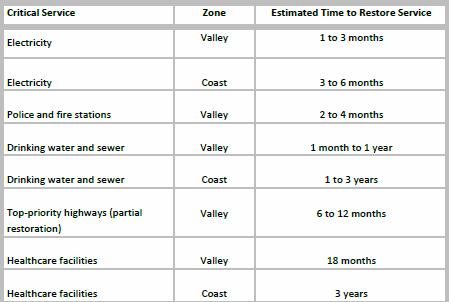
The Nation depends on critical infrastructure for economic prosperity, safety, and the essentials of everyday life. Projected climate change will impact all 16 critical infrastructure sectors identified by Homeland Security. We are already seeing how extreme heat is damaging the national transportation infrastructure such as roads, rail lines, and airport runways. We also note that much of the Nation’s energy infrastructure—including oil and gas refineries, storage tanks, power plants, and electricity transmission lines—are located in coastal floodplains, where they are increasingly threatened by more intense storms, extreme flooding, and rising sea levels. Projected increased temperatures and drought across much of the nation will strain energy systems with more demand for cooling, possibly dislocate and reduce food production, and result in water scarcity. Since much of the critical infrastructure is owned or operated by the private sector, government solutions alone will not be able to address the full range of climate-related challenges.

DAVID L. GOLDWYN, Non-resident Senior Fellow, Energy Security Initiative at the Brookings Institution, Washington DC  

The national security challenges the United States faces across the globe have inherent energy components. The most prominent issues include the threat posed by Iran’s nuclear program, continued Russian efforts to foment instability in Ukraine, the emergence of the Islamic State of Iraq and the Levant (ISIL) as a destabilizing force in Syria and Iraq, continued instability in North Africa, and the recent acceleration of the Israeli-Palestinian conflict. These are conflicts involving a great percentage of the world’s major energy suppliers. We face additional challenges to the stability of Central America and the Caribbean, as Venezuela’s economic deterioration puts its ability to provide credit support for regional energy purchases through Petrocaribe at increasing risk. Energy poverty in Africa and South Asia pose risks to stability in those regions. The way in which each of these issues is managed or resolved has implications for global energy markets and by extension our own economic growth and prosperity.

Climate change itself poses a significant risk to national security. The Pentagon’s Quadrennial Defense Review, released in March 2014, identifies climate change as a threat multiplier capable of exacerbating poverty, environmental degradation, political instability, and social tensions—all of which contribute to terrorist activity and other forms of violence.1 A report issued by the government-funded CNA Military Advisory Board, released in May 2014, drew similar conclusions and discussed, among other issues, the contributions of climate-induced drought toward fomenting regional and ethnic tensions in the Middle East and Africa.2

Natural gas is the obvious fuel choice to serve as a bridge to scalable renewable energy. While we should continue to pursue a future with abundant use of renewable energy, renewables will not be able to be adopted for grid based systems at scale in the developing world until the battery storage challenge is addressed.

1. Quadrennial Defense Review 2014, United States Department of Defense, March 2014, p. 8., 2. National Security and the Accelerating Risks of Climate Change, CNA Military Advisory Board, May 2014.

MICHAEL BREEN, Executive Director, Truman National Security Project & Center for National Policy, Washington, DC

While advances in technology have improved America’s energy posture in the short term, many of our long-standing vulnerabilities persist and are likely to worsen in the longer term.

The lack of diversified energy sources around the world continues to create undue risk to American national security, the security of our key allies, and global stability and prosperity.

The United States relies on oil for more than 93% of our transportation sector, and most advanced economies are in a roughly similar position. Given that oil is a globally traded fungible commodity, this single-source dependence on oil as a transportation fuel exposes the U.S. and our allies to the full range of risk associated with a complex and frequently manipulated global petroleum supply system. In other words, security and oil are deeply intertwined, with largely negative effects.

Oil resources and infrastructure are therefore key strategic points on the battlefield, shaping the course of the conflict at the tactical and operational levels of war.

One of ISIL’s primary objectives during its recent offensive in Iraq was the refinery in Baiji, the largest in Iraq. Kurdish military action in the conflict to date has been almost entirely defensive, with the sole exception of an early push to secure oil fields. KRG’s seizure of Kirkuk oil province, in part intended to establish defense in depth for Kurdish areas, will also give the Kurds even greater financial and political autonomy from Baghdad. Regional instability and conflict within and between states across the MENA region is driven, in part, because of the uneven distribution of energy resources. This is certainly true in Iraq. Nearly 75% of Iraqi oil production is focused in the Shia-majority south, and the main export terminal in Basra is located there as well. Baghdad’s failure to redistribute revenue from that oil production evenly across Iraq has been a major driver of sectarian and regional conflict. Prized oil fields in the south currently remain productive, but are vulnerable to insurgent attacks and remain an important military prize for all parties to the conflict. Companies will most likely evacuate workers, and quickly, if there are serious security concerns in Basra, a real possibility. This is critical, because continued conflict in Iraq has a significant destabilizing effect on the deeply interdependent global oil market. This instability is already leading to economic and geopolitical consequences around the world, and could impact our economic recovery here at home.

Dramatic increases in Iraq’s oil production are an essential element in most projections of global supply growth. In IEA’s World Energy Outlook, for example, the most likely scenario projects Iraq to double its oil production to 6.1mb/d by 2020, and 8.3 mb/d by 2035.

The IEA projects that Iraq will provide nearly 45% of anticipated global supply growth over the next decade. All of that projected progress is currently at risk. Longer term dynamics, while more difficult to predict, are potentially even more disturbing.

Investments in the Middle East may fall short of projections if armed conflict and cascading instability across the region persist, leading to a potential supply shortfall in the 2020s.

Even as Russia has used energy dependence as a sword against Ukraine, it has employed similar dynamics as a shield against Western European interference in the conflict. Sixteen percent of Europe’s total natural gas consumption comes from Russia through Ukraine.

Earlier this year, Russia and China signed a 30-year gas supply agreement worth approximately $400 billion. This agreement may draw the 2 great powers into deeper alignment, with negative repercussions for the U.S. and our allies.

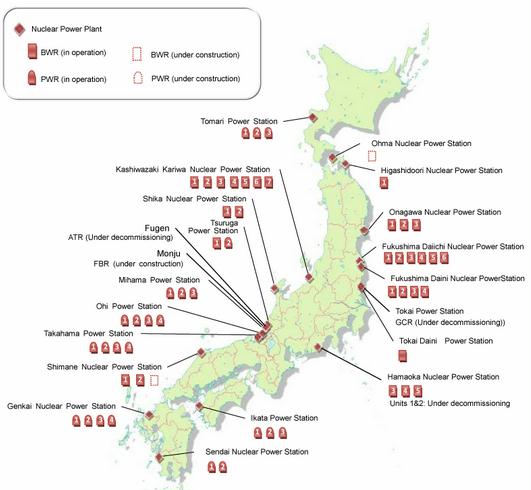
More than 26% of Japan’s electricity came from nuclear power plants before the Fukushima disaster. Now, with all of its nuclear plants on indefinite suspension, Japan is the world’s leading importer of liquefied natural gas. Japan alone consumed 37% of global LNG in 2012. To meet this need, Japan is reportedly considering a natural gas pipeline to Russia to bring in LNG from Siberia. While this would have some benefits for Japan, Russia’s demonstrated willingness to use energy supplies for coercion should give us pause.

IEA projects that U.S. tight oil production will reach a plateau in the 2020s, before dropping to 9.2 mb/d by 2035—leaving us in much the same position we were in before the shale revolution. The global market is projected to remain fairly tight overall along the way, meaning price volatility will continue to be a problem over the next several decades.

This places the U.S. and our allies at risk of continued overreliance on the same large-scale holders of conventional resources, creating cascading risks and impacts around the globe and across the full range of human activity.

Given these dynamics, a singular focus on fossil fuels production and export simply plays into the strengths of our competitors while leaving the U.S. and our allies with continued vulnerabilities.

Senator MARKEY. Thank you Mr. Breen, for raising the question of what happens with oil production in the United States, because even though we still import 30% of the oil that we consume in the United States, there are advocates for us to start exporting, and the Energy Information Agency is saying we are going to plateau relatively soon in terms of our total oil production. So that goes to a national security issue, too: How wise are we to be exporting our own oil and natural gas when we do not have a surplus today and production is going to slow down and plateau in the relatively near future?

MARY HUTZLER, Distinguished Senior Fellow, Institute for Energy Research

EUROPEAN UNION EMISSIONS TRADING SCHEME

The Emissions Trading Scheme (ETS) was launched by the EU in January 2005 as an attempt to comply with the 1997 Kyoto Protocol. It was the world’s first cross-border greenhouse gas emissions (GHG) trading program, regulating more than 11,500 installations and about 45% of total EU carbon dioxide emissions. Under the ETS, European companies must hold permits to allow them to emit carbon dioxide. A certain number of those permits were distributed at no cost to the industries that must reduce their output of carbon dioxide emissions. If businesses emit less carbon dioxide than the permits they hold, they can either keep the excess permits for future use or sell the excess permits and make a profit on them.

The early results of the program were that EU emissions were not significantly lowered until the global recession hit in 2008, which lowered emissions for all countries.

There were also misuses and abuses in the system because of its complexity, politicized decision-making, and the incentive to manipulate it.

Before the global recession hit, some EU countries saw faster carbon dioxide emissions growth than the United States, which was not subject to the policy. From 2000 to 2006, the rate of growth of European emissions under the cap-and-trade policy was almost 5 times higher than the rate of growth in emissions in the United States. 1 After the global recession, however, EU carbon dioxide emissions in 2009 were almost 8% below 2008 levels. 2 Due to the global recession, carbon dioxide emissions, in many cases, were lowered below the targets set by the cap-and- trade policy, so companies did not have to take further actions to reduce their emissions. 3 Severe downturns in economic activity result in significant reductions in emissions.

Because the free allocation of permits was based on future estimates of higher emissions levels, which did not materialize, there were too many free government-issued permits. As a result, companies hit hard by the recession were able to make profits by selling the excess permits but chose not to pass those savings onto their customers. Consumers ended up paying higher energy and commodity costs; taxpayers paid for the program’s implementation; and a new middleman was created to run the carbon permit trading program. 4

Europe found the costs of the program to be large. In 2006, individual business and sectors had to pay $24.9 billion for permits totaling over 1 billion tons. In 2011, the global carbon markets were valued at US$176 billion, with 10.3 billion carbon credits traded.5

The World Watch Institute estimated the costs of running a trading system designed to meet the EU’s Kyoto obligations at about $5 billion. The costs of a trading system to meet the EU’s commitments of a 20% reduction by 2020 (against a 1990 baseline) were estimated to be about $80 billion annually. 6

Unlike traditional commodities, which at some time during the course of their market exchange must be physically delivered to someone, carbon credits do not represent a physical commodity, which makes them particularly vulnerable to fraud and other illegal activity.

Carbon markets, like other financial markets, are at risk of exploitation by criminals due to the large amount of money invested, the immaturity of the regulations and lack of oversight and transparency.

The illegal activities identified include the following :

  1. Fraudulent manipulation of measurements to claim more carbon credits from a project than were actually obtained
  2. Sale of carbon credits that either do not exist or belong to someone else;
  3. False or misleading claims with respect to the environmental or financial benefits of carbon market investments
  4. Exploitation of weak regulations in the carbon market to commit financial crimes, such as money laundering, securities fraud or tax fraud;
  5. Computer hacking/ phishing to steal carbon credits and theft of personal information.

German prosecutors searched 230 offices and homes of Deutsche Bank, Germany’s largest bank, and RWE, Germany’s second-biggest utility, to investigate 180 million euros ($238 million U.S.) of tax evasion linked to emissions trading.

The U.K., France, and the Netherlands also investigated carbon traders, who committed fraud by collecting the tax, and disappearing without returning the tax funds.

According to estimates from Bloomberg New Energy Finance, about 400 million metric tons of emission trades may have been fraudulent in 2009, or about 7% of the total market.8

Tax evasion linked to emissions trading is still a problem. This year Frankfurt prosecutors sought the arrest of a British national in connection with suspected tax fraud worth 58 million euros ($80 million).9

Another problem is the lack of predictability regarding the emissions permit price. Companies need to know the price for long-term planning to decide on what actions they should take. The EU permit price ranged by a factor of 3, but even at the higher price range, it was insufficient to meet the emission reduction targets before the global recession hit. 10

A cap-and-trade policy is a highly complex system to implement because there are a large number of participants and the components of the system are difficult to get right as EU’s experience has shown.

Last year, the EU commenced phase three of the ETS toward meeting their target of a 40% reduction in greenhouse gas emissions below 1990 levels by 2030.11 Phase 3, which has a number of significant rule changes, will continue until 2020. As of 2011, carbon dioxide emissions of the original 27 member EU were just 8% below 1990 levels, and the majority of the reduction was achieved by the global recession.

That means the EU has a long way to go to meet its target. In the meantime, energy prices have increased and more and more Europeans are facing fuel poverty, meaning they pay more than 10% of their household income for energy. For example, industrial electricity prices are 2 to 5 times higher in the EU than in the United States and are expected to increase more. Europe’s once comfortable middle class is being pushed into energy poverty as a result of the carbon reduction measures and EU’s renewable programs. According to the European Commission, electricity prices in the Organization for Economic Cooperation (OECD) Europe have risen 37% more than those in the United States when indexed against 2005 prices. By 2020, at least 1.4 million additional European households are expected to be in energy poverty. EU’s ETS and clean energy programs have not significantly reduced emissions, but rather have dramatically raised energy prices, increased national debt, driven businesses out of Europe, led to massive job losses and unemployment, greatly increased energy poverty, and have been plagued by fraud and corruption. This economic malaise, in turn, has made Europe less capable of expending funds for their national defense needs and has contributed to the weakening of multilateral defense organizations like NATO. The European members of NATO are now spending less than 2% of their GDP on defense spending, which is below NATO guidance. 12

AUSTRALIA’S CARBON TAX

Australia implemented a carbon tax in 2012.   The carbon tax, which is currently set at $24.15 Australian currency ($22.70 U.S.) per metric ton, was initially implemented in July 2012 and was designed as a precursor to a cap and trade scheme, with the transition to a flexible carbon price as part of the trading program beginning in 2015. The tax applies directly to around 370 Australian businesses. But the September 7, 2013, election put a damper on the program. Australia’s new government wants to dismantle the legislation that levies fees on carbon emissions and replace it with taxpayer funded grants to companies and projects that reduce emissions. The Emissions Reduction Fund would be funded at A$2.55 billion ($2.4 billion U.S.). 13

Repealing Australia’s carbon tax on July 1, 2014, is estimated to :

  • Reduce the cost of living of its citizens—the Australian Treasury estimates that removing the carbon tax in 2014 to 2015 will reduce the average costs of living across all households by about $550 more than they would otherwise be in 2014 to 2015.
  • Lower the cost of retail electricity by around 9 percent and retail gas prices by around 7 percent than they would otherwise be in 2014 to 2015.
  • Boost Australia’s economic growth, increase jobs and enhance Australia’s international competitiveness by removing an unnecessary tax, which hurts businesses and families.
  • Reduce annual ongoing compliance costs for around 370 entities by almost $90 million per annum.
  • Remove over 1,000 pages of primary and subordinate legislation.

Australia’s lower House of Parliament voted to scrap the carbon tax on July 14, and the Australian Senate voted in favor on July 17, 2014.15 According to Tony Abbott, Australian Prime Minister speaking at a news conference, ‘‘Today the tax that you voted to get rid of is finally gone, a useless destructive tax which damaged jobs, which hurt families’ cost of living and which didn’t actually help the environment is finally gone.’’ The repeal will save Australian voters and business around A$9 billion ($8.4 billion U.S.) a year.16 Australia’s residents found the carbon tax experience to include soaring electricity prices, rising unemployment, income tax hikes, and additional command-and-control regulations. Electricity prices increased 15 percent over the course of a year (which included the highest quarterly increase on record), and companies laid off workers because of the tax. Further, government data shows that the tax had not reduced the level of Australia’s domestically produced carbon dioxide emissions, which is not surprising, since under the carbon tax Australia’s domestic emissions were not expected to fall below current levels until 2045.17

To reduce greenhouse gas emissions to comply with the Kyoto Protocol, Europe (EU) set mandates for renewable generation (20% of its electricity to be generated by renewable energy by 2020) coupled with hefty renewable subsidies as enticements.

The Europeans have found that these subsidies have grown too large, are hurting their economies, and as a result, they are now slashing the subsidies, so enormous that governments are unilaterally rewriting their contracts with renewable generating firms and reneging on the generous deals they initially provided.


RENEWABLE SUBSIDIES IN EUROPE

Spain

In order to enhance renewable energy sources in Spain, the Government enacted legislation to reach 20% of electric production from qualified renewable energy by 2010. To meet this target, the government found it needed to provide incentives to ensure the market penetration of renewable energy, including providing above-market rates for renewable-generated electricity and requiring that electric utility companies purchase all renewable energy produced. In 1994, Spain implemented feed-in tariffs to jump start its renewable industry by providing long-term contracts that pay the owners of renewable projects above- market rates for the electricity produced.18

Because renewable technologies generally cost more than conventional fossil fuel technologies, the government guaranteed that renewable firms would get a higher cost for their technologies. But, because the true costs of renewable energy were never passed on to the consumers of electricity in Spain, the government needed to find a way to make renewable power payments and electricity revenues meet. Since 2000, Spain provided renewable producers $41 billion more for their power than it received from its consumers. 19 (For reference, Spain’s economy is about one-twelfth the size of the U.S. economy.) In 2012, the discrepancy between utility payments to renewable power producers and the revenue they collected from customers was 5.6 billion euros ($7.3 billion), despite the introduction of a 7% on generation. 20 The 2012 gap represented a 46% increase over the previous year’s shortfall.

A massive rate deficit should not come as a surprise. For 5 years, IER has warned of this problem beginning when Dr. Gabriel Calzada released his paper on the situation in Spain and testified before Congress.21 He found that Spain’s ‘‘green jobs’’ agenda resulted in job losses elsewhere in the country’s economy. For each ‘‘green’’ megawatt installed, 5.28 jobs on average were lost in the Spanish economy; for each megawatt of wind energy installed, 4.27 jobs were lost; and for each megawatt of solar installed, 12.7 jobs were lost. Although solar energy may appear to employ many workers in the plant’s construction, in reality it consumes a large amount of capital that would have created many more jobs in other parts of the economy. The study also found that 9 out of 10 jobs in the renewable industry were temporary. 22, 23

Spain’s unemployment rate has more than doubled between 2008 and 2013. In January 2013, Spain’s unemployment rate was 26% the highest among EU member states.24 Spain’s youth unemployment (under the age of 25) reached 57.7% in November 2013, surpassing Greece’s youth unemployment rate of 54.8% in September 2013. 25

The Spanish Government did not believe Dr. Calzada 5 years ago, but they have now been hit in the face with reality. To recover the lost revenues from the extravagant subsidies, the Spanish Government ended its feed-in tariff program for renewables, which paid the renewable owners an extremely high guaranteed price for their power as can be seen by the deficit. Currently, renewable power in Spain gets the market price plus a subsidy which the country deems more ‘‘reasonable.’’ Companies’ profits are capped at a 7.4% return, after which renewable owners must sell their power at market rates. The measure is retroactive to when the renewable plant was first built.26 Therefore, some renewable plants, if they have already received the 7.4% return, are receiving only the market price for their electricity.

Wind projects built before 2005 will no longer receive any form of subsidy, which affects more than a third of Spain’s wind projects. As a consequence of the government’s actions to rein in their subsidies and supports, Spain’s wind sector is estimated to have laid off 20,000 workers.

The Spanish Government also slashed subsidies to solar power, subsidizing just 500 megawatts of new solar projects, down from 2,400 megawatts in 2008.27 Its solar sector, which once employed 60,000 workers, now employs just 5,000. In 2013, solar investment in Spain dropped by 90 percent from its 2011 level of $10 billion.

Spain’s 20% renewable energy share of generation from wind and solar power has come at a very high cost to the nation.

Germany

In Germany, as part of the country’s ‘‘Energiewende,’’ or ‘‘energy transformation,’’ electric utilities have been ordered to generate 35% of their electricity from renewable sources by 2020, 50% by 2030, 65% by 2040, and 80% by 2050. To encourage production of renewable energy, the German government instituted a feed-in tariff early, even before Spain.

In 1991, Germany established the Electricity Feed-in Act, which mandated that renewables ‘‘have priority on the grid and that investors in renewables must receive sufficient compensation to provide a return on their investment irrespective of electricity prices on the power exchange.’’ 28 In other words, utilities are required to purchase electricity from renewable sources they may not want or need at above-market rates. For example, solar photovoltaics had a feed-in tariff of 43 euro cents per kilowatt hour ($0.59 U.S. per kilowatt hour), over 8 times the wholesale price of electricity and over 4 times the feed-in tariff for onshore wind power. A subsequent law passed in 2000, the Renewable Energy Act (EEG), extended feed-in tariffs for 20 years.29 Originally, to allow for wind and solar generation technologies to mature into competitive industries, Germany planned to extend the operating lives of its existing nuclear fleet by an average of 12 years. But, the Fukushima nuclear accident in Japan caused by a tsunami changed Germany’s plans and the country quickly shuttered 8 nuclear reactors and is phasing out its other 9 reactors by 2022, leaving the country’s future electricity production mostly to renewable energy and coal. 30

Coal consumption in Germany in 2012 was the highest it has been since 2008, and electricity from brown coal (lignite) in 2013 reached the highest level since 1990 when East Germany’s Soviet-era coal plants began to be shut down. German electricity generation from coal increased to compensate for the loss of the hastily shuttered nuclear facilities. Germany is now building new coal capacity at a rapid rate, approving 10 new coal plants to come on line within the next 2 years to deal with expensive natural gas generation and the high costs and unreliability of renewable energy.31 As a result, carbon dioxide emissions are increasing.

While the United States is using low cost domestic natural gas to lower coal-fired generation, in Germany, the cost of natural gas is high since it is purchased at rates competitive with oil. Also, Germany is worried about its natural gas supplies since it gets a sizable amount from Russia. While domestic shale gas resources are an alternative, particularly since the Germans are hydraulic fracturing pioneers and have used the technology to extract tight gas since the 1960s, Germany’s Environment Minister has proposed a prohibition on hydraulic fracturing until 2021 in response to opposition from the Green Party.33 According to the Energy Information Administration, Germany has 17 trillion cubic feet of technically recoverable shale gas resources.34

Germany has some of the highest costs of electricity in Europe and its consumers are becoming energy poor. In 2012, the average price of electricity in Germany was 36.25 cents per kilowatt hour,35 compared to just 11.88 cents for U.S. households, triple the U.S. average residential price.36 These prices led Germany’s Energy Minister to recently caution that they risk the ‘‘deindustrialization’’ of the economy.

In addition to high electricity prices, Germans are paying higher taxes to subsidize expensive green energy. The surcharge for Germany’s Renewable Energy Levy that taxes households to subsidize renewable energy production increased by 50 percent between 2012 and 2013—from 4.97 U.S. cents to 6.7 cents per kilowatt hour, costing a German family of 4 about $324 US per year, including sales tax.37 The German Government raised the surcharge again at the start of this year by 18% to 8.61 US cents per kilowatt hour representing about a fifth of residential utility bills,38 making the total feed-in tariff support for 2014 equal to $29.6 billion US.39 As a result, 80 German utilities had to raise electricity rates by 4%, on average, in February, March, and April of this year.

The poor suffer disproportionately from higher energy costs because they spend a higher percentage of their income on energy. As many as 800,000 Germans have had their power cut off because of an inability to pay for rising energy costs, including 200,000 of Germany’s long-term unemployed.40

Adding to this is a further disaster. Large offshore wind farms have been built in Germany’s less populated north and the electricity must be transported to consumers in the south. But, 30 wind turbines off the North Sea island of Borkum are operating without being connected to the grid because the connection cable is not expected to be completed until sometime later this year. Further, the seafloor must be swept for abandoned World War II ordnance before a cable can be run to shore. The delay will add $27 million to the $608 million cost of the wind park. And, in order to keep the turbines from rusting, the turbines are being run with diesel. 41 42

Germany’s power has been strained by new wind and solar projects both on and offshore, making the government invest up to $27 billion over the next decade to build about 1,700 miles of high-capacity power lines and to upgrade existing lines. The reality is that not only is renewable energy more expensive, but it also requires expensive transmission investments that existing sources do not, thus compounding the impact on consumers and businesses.

Germany knows reforms are necessary. On January 29, the German Cabinet backed a plan for new commercial and industrial renewable power generators to pay a charge on the electricity they consume. As part of the reform of the Renewable Energy Sources Act, the proposal would charge self-generators 70% of the renewable subsidy surcharge, (i.e. the 6.24 cents per kilowatt hour). Under the proposal, the first 10 megawatt hours would be exempt for owners of solar photovoltaic projects that are less than 10 kilowatts. According to the German Solar Energy Industry Association, about 83% of solar self-generators would be subject to the new charge. Another reform being considered is a reduction in the feed-in tariff from the current average of 23.47 U.S. cents per kilowatt hour to 16.56 U.S. cents per kilowatt hour.43 On July 11, Germany’s upper House of Parliament passed changes to the Renewable Energy Sources Act, which will take effect as planned on August 1. The law lowers subsidies for new green power plants and spreads the power-price surcharge more equally among businesses.44

United Kingdom

Unlike Spain and Germany, the United Kingdom (U.K.) started its feed-in-tariff program to incentivize renewable energy relatively late, in 2010.45 Hydroelectric, solar, and wind units all have specified tariffs that electric utilities must pay for their energy, which are above market rates. Like the other countries, the U.K. has a mandate for renewable energy. The United Kingdom is targeting a 15% share of energy generated from renewable sources in gross final energy consumption and a 31% share of electricity demand from electricity generated from renewable sources by 2020.46 The U.K. generates about 12% of its electricity from renewable energy today. The increased renewable power will cost consumers 120 pounds a year (about $200) above their current average energy bill of 1,420 pounds ($2,362). 47 The U.K. is closing coal-fired power plants to reduce carbon dioxide emissions in favor of renewable energy. In the U.K., 8,200 MW of coal-fired power plants have been shuttered, with an additional 13,000 MW at risk over the next 5 years, according to the Confederation of U.K. Coal Producers. 48 The U.K.’s energy regulator is worried that the amount of capacity over-peak demand this winter will be under 2%—a very low, scary amount for those charged with keeping the lights on—and the lowest in Western Europe.

Beginning in January 2016, the European Union will require electric utilities to add further emission reduction equipment to plants or close them by either 2023 or when they have run for 17,500 hours. Because the equipment is expensive, costing over 100 million pounds ($167 million) per gigawatt of capacity, only one U.K. electricity producer has chosen to install the required technology. Most of the existing coal-fired plants are expected to be shuttered since only one coal-fired power plant has been built in the U.K. since the early 1970s.

To deal with the reliability issue, the U.K. Government is hosting an auction for backup power, but it is unclear how it will work. According to the Department for Energy and Climate Change, electricity producers will be able to bid in an auction to take place this December to provide backup power for 2018. The program, called a capacity market, is expected to ensure sufficient capacity and security of supply. The Department estimates that the U.K. power industry needs around 110 billion pounds ($184 billion) of investment over the next 10 years. The Renewable Energy Foundation (REF) estimates that consumers currently pay more than £1 billion ($1.66 billion) a year in subsidies to renewable energy producers—twice the wholesale cost of electricity. Those subsidies are expected to increase to £6 billion ($10 billion) a year by 2020 to meet a 30% target of providing electricity from renewable energy. 49 As a result, a growing number of U.K. households are in energy poverty. In 2003, roughly 6% of the United Kingdom’s population was in energy poverty; a decade later, nearly one-fifth of the nation’s population is in energy poverty.

As a result, the government has proposed that renewable companies sell their electricity to the national grid under a competitive bidding system. The new proposal limits the total amount of subsidies available for green energy, which were previously effectively limitless. The reduction in subsidies has led to renewable developers scrapping plans amid claims that the proposal will make future renewable development unprofitable.50

The U.K. is both cutting the level of their feed-in tariffs and the length of time they are available. Effective July 1, 2013, the feed-in tariff for solar generated electricity was reduced from 15.44 pence (24 cents U.S.) to 14.90 pence per kilowatt hour. In October 2011, it was 43.3 pence (67.5 cents U.S.) per kilowatt hour—almost three times the reduced level.51 Also, the length of time for the subsidy entitlement is being reduced—for example, it will be 15 years instead of 20 years for wind farms built after 2017.

The reductions indicate that the original subsidies were overgenerous and that wind turbines are unlikely to have an economic life of 20 years. 52

But, according to the Climate Change Committee (CCC), without tougher action, Britain will miss its 31% target of cutting emissions, managing only a 21% reduction instead, which will hinder meeting its commitment to cut greenhouse gas emissions by 80% of 1990 levels by 2050. The CCC called for more progress on insulating homes, promoting the uptake of ground source and air source heat pumps,

Italy

Similar to Germany and Spain, Italy also used feed-in tariffs to spur renewable development, and found it too costly. In 2005, Italy introduced its solar subsidy plan, providing solar power with premiums ranging from Euro 0.445 ($0.60 U.S.) per kilowatt hour to euro 0.490 ($0.66 U.S.) per kilowatt hour. 54 That subsidy resulted in the construction of more than 17,000 megawatts of solar capacity. In 2011, Italy’s solar market was the world’s largest, but that market has slowed due to the removal of subsidies. Italy ceased granting feed-in tariffs for new installations after July 6, 2013, because its subsidy program had reached its budget cap—a limit of 6.7 billion euros ($8.9 billion) as of June 6, 2013. The law restricts above-market rates for solar energy a month after the threshold is reached. Without tariffs, the Italian solar market will need to depend on net metering (where consumers can sell the power they generate themselves to the grid) and income tax deductions for support.55

Italy also undertook other measures. In 2012, the government charged all solar producers a 5-cent tax per kilowatt hour on all self-consumed energy. The government also curtailed purchasing power from solar self-generators when their output exceeded the amount the system needed. Those provisions were followed in 2013 by the government instituting a ‘‘Robin Hood tax’’ of 10.5% to renewable energy producers with more than $4.14 million US in revenue and income greater than $414,000 US. 56 According to Italy’s solar industry, the result of these and other changes has been a surge in bankruptcies and a massive decrease in solar investment.

EUROPE’S WOOD CONSUMPTION

Besides incentivizing wind and solar generation, EU is also consuming wood to satisfy its renewable mandate of 20% of generation from renewable energy by 2020.

According to the Economist, wood, the fuel of preindustrial societies, represents about half of all renewable energy consumed in the European Union in some form or another—sticks, pellets, sawdust. 57

In Poland and Finland, wood supplies more than 80% of renewable energy demand. In Germany, despite its push and subsidization of wind and solar power, 38% of non-fossil fuel consumption comes from wood.

According to the International Wood Markets Group, Europe consumed 13 million metric tons of wood pellets in 2012 and its demand is expected to increase to 25 to 30 million tons a year by 2020.

According to the National Firewood Association, the 2012 European consumption of wood pellets is equivalent to over 4 million cords of wood, which equates to over 4 million ‘‘big’’ trees and over 8 million ‘‘average size’’ trees. 58

Because Europe does not produce enough timber to meet this demand, imports of wood pellets are increasing. They increased by 50% in 2010. According to the European Pellet Council, global trade in wood pellets is expected to increase five- or six-fold to 60 million metric tons by 2020. Much of that will come from new wood- exporting businesses that are booming in western Canada and the southern United States. According to a report by Wood Resources International, the southern United States surpassed Canada last year as the leading exporter of wood pellets to Europe, exporting in excess of 1.5 million tons. Those exports are expected to reach 5.7 million tons in 2015. During the third quarter of 2012, three companies announced plans for new pellet plants in Georgia and six others were under construction in the south, together adding as much as 4.2 million tons of capacity by 2015. 59 The increase in wood consumption has caused an escalation in prices. According to data published by Argus Biomass Markets, an index of wood-pellet prices increased by 11%, from 116 euros ($152) a metric ton in August 2010 to 129 euros ($169) a metric ton at the end of 2012. Since the end of 2011, prices for hardwood from western Canada increased by about 60 percent. 60

Wood use in Europe is not carbon neutral.

In theory, if the biomass used to power electricity comes from energy crops, the carbon generated from combustion would be offset by the carbon that is captured and stored in the newly planted crops, making the process carbon-neutral. The wood that Europe is using produces carbon through combustion at the power station and in the manufacture of the pellets that includes grinding the wood up, turning it into dough and submitting it under pressure. The process of producing the pellets, combusting them, and transporting them produces carbon—about 200 kilograms of carbon dioxide for each megawatt hour of electricity generated.

A researcher at Princeton University calculated that if whole trees are used to produce energy, they would increase carbon emissions 79% more than coal over 20 years and 49% more over 40 years, with no carbon reduction for 100 years until the replacement trees have matured.

EUROPE ’S NATURAL GAS SUPPLIES

Europe is worried about continually receiving the 30% of its natural gas supplies that it receives from Russia, but instead of embracing hydraulic fracturing and horizontal drilling on domestic soil, it is looking toward the United States to export LNG to them.

According to a leaked document, the European Union is making its desire to import more oil and natural gas from the United States very clear in the discussions over the Transatlantic Trade and Investment Partnership (TTIP) trade deal. The EU is pressuring the United States to lift its ban on crude oil exports and make it easier to export natural gas to Europe. The EU emphasizes the TTIP’s role in ‘‘reinforcing the security of supply’’ of energy for the member countries, pointing to the political situation in the Ukraine as a key reason to relax rules against U.S. exports. ‘‘The current crisis in Ukraine confirms the delicate situation faced by the EU with regard to energy dependence,’’ the document states. ‘‘Of course the EU will continue working on its own energy security and broaden its strategy of diversification. But such an effort begins with its closest allies.’’ 61

EU could start by developing its shale gas resources throughout its member countries.

According to the Energy Information Administration, Europe has an estimated 470 trillion cubic feet of technically recoverable shale gas resources, around 80% of the U.S. estimated endowment of 567 trillion cubic feet.62

Germany has proposed a prohibition against hydraulic fracturing through 2021. France, which has the second-largest estimated shale gas resources in Europe, has a hydraulic fracturing ban through at least 2017 and Bulgaria also forbids hydraulic fracturing. Poland, which has Europe’s largest technically recoverable shale gas resources at 148 trillion cubic feet, is interested in developing those resources, but has geology problems demonstrated by poor results from exploratory drilling. Several other European countries are now interested in developing their shale gas resources, such as the U.K., the Netherlands, Denmark, and Romania, but none of the European shale-gas exploration efforts are close to being ready for commercial development.63

CONCLUSION

As the Washington Post indicated: ‘‘Cap-and-trade regimes have advantages, notably the ability to set a limit on emissions and to integrate with other countries. But they are complex and vulnerable to lobbying and special pleading, and they do not guarantee success.’’ 64 The European Union has found this to be the case, for their cap-and-trade program did not achieve the intended targets, but made many companies wealthier which in turn resulted in higher energy prices for consumers.

Other ‘‘green’’ energy programs have had similar results in producing higher electricity prices and large subsidies for technologies that contribute only small amounts to their countries’ electricity needs. Countries that have enacted these programs have found them to be very costly and are now slashing those subsidies because the governments and the consumers cannot afford them. It is unclear what benefit the EU and Australia’s climate and ‘‘green’’ energy policies have achieved. Any reduction in carbon dioxide emissions that developed countries make will just be a ‘‘drop in the bucket’’ because total global greenhouse gas emissions will increase as China, the world’s largest emitter of carbon dioxide emissions, and other developing countries continue to improve their economies by using fossil fuels. These developing countries believe it is their turn to develop their economies and to provide energy to their citizens, many of which do not even have electricity. As a result, they either refuse to participate in global climate change programs or have track records of not enforcing such programs. The climate policies of both Europe and Australia have not only driven up their energy prices, but have also harmed their economies and reduced their security capabilities. Because Europe is dependent on natural gas from Russia, it has secretly asked the United States to speed up its review of LNG applications. Europe is clearly worried about further Russian aggression and availability of its natural gas supplies. Australia has learned and repealed its carbon tax with Senate approval on July 17. According to Tony Abbott, Australia’s Prime Minister, in releasing the news of the passage of the repeal legislation to Australia’s citizens, ‘‘We are honoring our commitments to you and building a strong and prosperous economy for a safe and secure Australia.’’ 65 Europe and the United States need to learn that energy security requires energy diversity. For example, during the cold spell in the U.S. Northeast this past winter, natural gas prices spiked because of lack of infrastructure. Lights were kept on due to the availability of coal and nuclear units. But many of those units are now being shuttered, which means that during next winter, the lights may go out in the Northeast.

Ms. HUTZLER replies to later questions. Europe is spending less on defense now than they did prior to the Kyoto Protocol, only 1.6 percent of their GDP. NATO guidance says that they should be spending 2 percent. And we are spending as much as 2.5 percent. In fact, Secretary of Defense Hagel has called on the EU to spend more because of the crisis in the Ukraine.

Carbon trading policies are very complex, which is why you see a lot more criminal activities than you do in a carbon tax. Another place where we have seen abuse in the United States is with renewable identification numbers. Refiners have to use so much biofuel when they produce gasoline, and there has been abuse where there have been fake RIN’s that these people have purchased and we have actually gotten these people—we have found most of this fraud. So it is happening in this country, too.

Some of the policies that Senator Markey seems to advocate in his questions would reduce U.S. energy production, increase oil imports and our trade deficit, and have the effect of reducing U.S. energy security. Senator Markey should understand the implications of ending the tax deductions mentioned below, which is essentially a tax increase on the oil and gas industry resulting in a reduction in domestic energy production, which would result in an increase of oil from overseas suppliers. That said, in regard to tax policy, I believe that all industries should be treated the same, irrespective of the product that the industry produces. There are those who complain about the earnings of the oil and gas companies without understanding the nature of the business, which is the most capital-intensive in the world. The oil and natural gas industry must make large investments in new technology, new production, and environmental and product quality improvements to meet future U.S. energy needs. These investments are not only in the oil and gas sector but in alternate forms of energy (e.g., biofuels). For example, an Ernst & Young study shows the five major oil companies had $765 billion of new investment between 1992 and 2006, compared to net income of $662 billion during the same period. The 57 largest U.S. oil and natural gas companies had new investments of $1.25 trillion over the same period, compared to net income of $900 billion and cash flows of $1.77 trillion. In another Ernst and Young report, the 50 largest oil and gas companies spent over $106 billion in exploration and development costs in 2011, an increase of 38% over those capital investments in 2010. Without these investments, the U.S. oil and gas industry would not have been able to make the strides in increased oil and gas production that they have made and continue to make in this country.1 Earnings allow companies to reinvest in facilities, infrastructure and new technologies, and when those investments are in the United States, it means many more jobs, directly and indirectly. It also means more revenues for federal, state and local governments.

End Notes

1 Energy Information Administration, International Energy Data Base.

2 Ibid.

3 The Wall Street Journal, Cap and Trade Doesn’t Work, June 25, 2009.

4 The Wall Street Journal, Cap and Trade Doesn’t Work, June 25, 2009.

5 Interpol, Guide to Carbon Trading Crime, June 2013.

6 The Wall Street Journal, Cap and Trade Doesn’t Work, June 25, 2009.

7 Interpol, Guide to Carbon Trading Crime, June 2013.

8 Bloomberg, Deutsche Bank, RWE raided in German probe of CO2 tax, April 28, 2010.

9 Reuters, Germany seeks arrest of Briton in carbon trading scam, April 10, 2014.

10 Bloomberg, Deutsche Bank, RWE raided in German probe of CO2 tax, April 28, 2010.

11 European Commission, The EU Emissions Trading System.

12 Defense News, U.S. Pushes NATO Allies to Boost Defense Spending, May 3, 2014.

13 Huffington Post, Australia’s Carbon Tax Set for Final Showdown, July 14, 2014.

14 Department of the Environment, Australian Government, Repealing the Carbon Tax.

15 ABC, Senate Passes Legislation to Repeal Carbon Tax, July 17, 2014.

16 Wall Street Journal, Australia Becomes First Developed Nation to Repeal Carbon Tax, July 17, 2014.

17 Australia’s Carbon Tax: An Economic Evaluation, September 2013.

18 Institute for Building Efficiency, Feed-In Tariffs: A Brief History.

19 Financial Post, Governments Rip Up Renewable Contracts, March 19, 2014.

20 Bloomberg, Spain’s Power Deficit Widens by 46 Percent as Steps to Close Gap Founder, April 25, 2014.

21 Institute for Energy Research, August 6, 2009.

22 Study of the effects on employment of public aid to renewable energy sources, Universidad Rey Juan Carlos, March 2009.

23 Eagle Tribune, Cap-and-trade bill is an economy-killer, June 28, 2009.

24 The Failure of Global Carbon Policies, June 11, 2014.

25 Spain Youth Unemployment Rises to Record 57.7 Percent, Surpasses Greece, January 8, 2014.

26 Financial Post, Governments Rip Up Renewable Contracts, March 19, 2014.

27 Wall Street Journal, ‘‘Darker Times for Solar-Power Industry,’’ May 11, 2009.

28 Heinrich Bo¨ll Foundation, Energy Transition: The German Energiewende.

29 Institute for Building Efficiency, Feed-In Tariffs: A Brief History, Aug. 2010.

30 German Federal Ministry of Economics and Technology and Ministry for the Environment, Nature Conservation and Nuclear Safety.

31 Forbes, ‘‘Germany’s Energy Goes Kaput, Threatening Economic Stability,’’ December 30, 2013.

32 BP Statistical Review of World Energy 2014. 33Wall Street Journal, Germany’s fracking follies, July 7, 2014.

34 Energy Information Administration, Technically Recoverable Shale Oil and Shale Gas Resources: An Assessment of 137 Shale Formations in 41 Countries Outside the United States, June 2013.

35 Europe’s Energy Portal Germany Energy Prices Report.

36 U.S. Energy Information Administration, Monthly Energy Review.

37 Tree Hugger, German Electricity Tax Rises 50 Percent to Support Renewable Energy, October 17, 2012.

38 Reuters, Five million German families faced with higher power bills, February 24, 2014.

39 Frontier Economics, German renewable energy levy will rise in 2014.

40 The Australian, Europe Pulls the Plug on its Green Energy Future, August 10, 2013.

41 New York Times, Germany’s Effort at Clean Energy Proves Complex, September 18, 2013.

42 Renewables International, First municipal offshore wind farm awaits grid connection, June 25, 2014.

43 Bloomberg, Germany moots levy on renewable power use, February 4, 2014.

44 Wall Street Journal, Germany’s Upper House Passes Renewable Energy Law, July 11, 2014.

45 Institute for Building Efficiency, Feed-In Tariffs: A Brief History, Aug. 2010.

46 International Energy Agency, Global Renewable Energy, National Renewable Energy Action Plan.

47 Bloomberg, Green Rules Shuttering Power Plants Threaten UK Shortage, March 19, 2014.

48 Bloomberg, Green Rules Shuttering Power Plants Threaten UK Shortage, March 19, 2014.

49 The Telegraph, Wind farms subsidies cut by 25 percent, July 14, 2013.

50 The Telegraph, Wind farm plans in tatters after subsidy rethink, March 2, 2014.

51 Mail Online, Solar panel payments are about to fall again but the cost of buying them is falling too—so is it still worth investing?, June 14, 2013.

52 The Telegraph, Wind farms subsidies cut by 25 percent, July 14, 2013.

53 The Global Warming Policy Foundation, Proposals to Step up Unilateral Climate Policy Will Trigger ‘‘Astronomical Costs,’’ Peiser Warns, July 15, 2014.

54 International Energy Agency, Global Renewable Energy, ‘‘Old’’ Feed In Premium for Photovoltaic Systems.

55 Bloomberg, Italy Set to Cease Granting Tariffs for New Solar Projects, June 11, 2013.

56 Financial Post, Governments Rip Up Renewable Contracts, March 18, 2014.

57 Economist, Wood The Fuel of the Future, April 6, 2013.

58 National Firewood Association, Biomass Called Environmental Lunacy, April 10, 2013.

59 Dogwood Alliance, The Use of Whole Trees in Wood Pellet Manufacturing, November 13, 2012.

60 Argus Biomass Markets.

61 Huffington Post, Secret Trade Doc Calls for More Oil and Gas Exports to Europe, July 8, 2014.

62 Energy Information Administration, Technically Recoverable Shale Oil and Shale Gas Resources: An Assessment of 137 Shale Formations in 41 Countries Outside the United States, June 2013.

63 Europe wants the energy, but not the fracking, July 15, 2014.

64The Washington Post, Climate Change Solutions, February 16, 2009. 65Australia’s carbon tax has been axed as repeal bills clear the Senate, July 17, 2014.


Mr. BREEN. Transitioning municipal truck fleets, garbage trucks, buses, things like that to natural gas might help alleviate our single-source dependence on oil to fuel our transportation sector, which I would argue is a strategic risk, being so dependent on oil for that purpose.

Admiral TITLEY. The way I take a look at this as a risk-based issue, so how do we mitigate the risks

 

Posted in Climate Change, Congressional Record U.S., Energy Infrastructure, Middle East | Tagged , , , , , , , | Comments Off on National security implications of international energy and climate change policies, Senate hearing

Emerging threats of resource wars. U.S. House hearing

Goh Chun Teck, Lim Xian You, Sum Qing Wei, Tong Huu Khiem. Resource Wars.2011. A hot-seat multiplayer game where players compete with each other for territories that generate resources such as coal, water, gold and gas. A Player can sell resources for money, which he can use to purchase even more territories to grow his empire, or fight with other players to attempt to conquer their territories. NatiOnal University of Singapore. CS2103 Projects AY10/11 Semester 1

Goh Chun Teck, Lim Xian You, Sum Qing Wei, Tong Huu Khiem. 2011. Resource Wars. Players compete with each other for territories that generate resources such as coal, water, gold and gas. A Player can sell resources for money, which he can use to purchase even more territories to grow his empire, or fight with other players to attempt to conquer their territories. National University of Singapore.

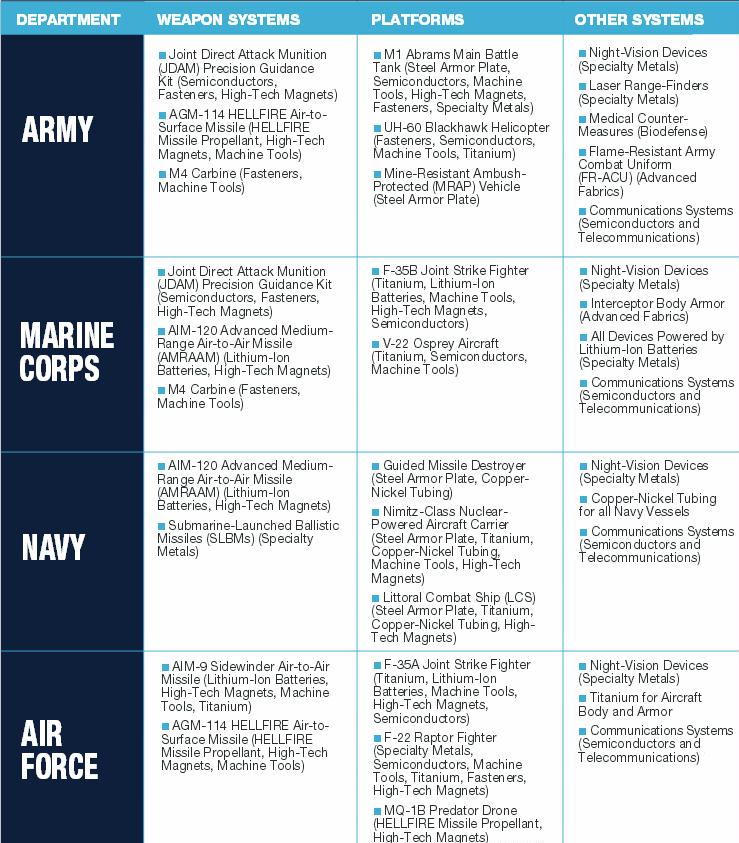
[ About half of the pages are images from Brigadier General John Adams “Remaking American security. Supply chain vulnerabilities & national security risks across the U.S. Defense Industrial Base”.  

Alice Friedemann   www.energyskeptic.com  author of “When Trucks Stop Running: Energy and the Future of Transportation, 2015, Springer]

House 113-63. July 25, 2013. The Emerging threat of Resource Wars.  U.S. House of Representatives,  88 pages.

DANA ROHRABACHER, CaliforniaWe import 750,000 tons of vital minerals and material every year.  An increasing global demand for supplies of energy and strategic minerals is sparking intense economic competition that could lead to a counterproductive conflict.

A ‘‘zero sum world’’ where no one can obtain the means to progress without taking them from someone else is inherently a world of conflict.

Additional problems arise when supplies are located in areas where production could be disrupted by political upheaval, terrorism or war.

When new sources of supply are opened up, as in the case of Central Asia, there is still fear that there is not enough to go around and thus conflict emerges.   The wealth that results from resource development and the expansion of industrial production increases power just as it uplifts economies and uplifts the standards of peoples.

This can feed international rivalry on issues that go well beyond economics. We too often think of economics as being merely about ‘‘business’’ but the distribution of industry, resources and technology across the globe is the foundation for the international balance of power and we need to pay more attention to the economic issues in our foreign policy and what will be the logical result of how we deal with those economic and those natural resource issues.

The control of access to resources can be used as political leverage, as we have seen with Russia and China. They both have demonstrated that. Indeed, China is engaged in an aggressive campaign to control global energy supply chains and to protect its monopoly in rare earth elements. This obviously indicates that Beijing is abandoning its ‘‘peaceful rise’’ policy. This is not an unexpected turn of events given the brutal nature of the Communist Chinese regime.

Who owns the resources, who has the right to develop them, where will they be sent and put to use, and who controls the transport routes from the fields to the final consumers are issues that must be addressed. Whether the outcomes result from competition or coercion; from market forces or state command, we will be determining how to achieve and if we will achieve a world of peace and an acceptable level of prosperity or we won’t achieve that noble goal.

My father joined the Marines to fight World War II and it is very clear that natural resources had a great deal to do with the Japanese strategies that led to the Second World War and so we have some of our witnesses may be talking to us and will be talking to us on issues that are of that significance.

WILLIAN KEATING, MASSACHUSETTS.  Today’s hearing topic provides us with an opportunity to look beyond Europe and Eurasia and examine the global impact of depleting resources, climate change and expanding world population and accompanying social rest.

In March, for the first time, the Director of National Intelligence, James R. Clapper, listed ‘‘competition and scarcity involving natural resources’’ as a national security threat on a path and on a par with global terrorism, cyber war, and nuclear proliferation.

He also noted that ‘‘terrorists, militants, and international crime groups are certain to use declining local food security to gain legitimacy and undermine government authority’’ in the future. I would add that the prospect of scarcities of vital resources including energy, water, land, food, and rare earth elements in itself would guarantee geopolitical friction.

Now add lone wolves and extremists who exploit these scenarios into the mix and the domestic relevance of today’s conversation and you can see the importance of this is clear.

Further, it is no secret that threats are more interconnected today than they were 15 years ago. Events which at first seem local and irrelevant have the potential to set off transnational disruptions and affect U.S. national interests. We saw this dynamic play out off the coast of Somalia where fishermen were growing frustrated from lack of government enforcement against vessels harming their stock and where they took up arms and transitioned into dangerous gangs of pirates. Now violent criminals threaten Americans in multinational vessels traveling through the Horn of Africa. Unfortunately, I don’t see a near term end to the coordinated international response that this situation requires. I agree with Mr. Clapper that the depletion of resources stemming from many factors which above all include climate change has potential to raise a host of issues for U.S. businesses worldwide.

PAUL COOK, CALIFORNIA.  In my former life besides being in the military for 26 years, I was a college professor and I have to admit I taught history and I always have got to give the old saw that people who do not understand history are bound to repeat it.

If you look at the history of conflicts and wars and everything else and whether you go back to that famous book, The Haves and Have-Nots, it is always about resources and who has it and who doesn’t have them and who wants them.

But I think we as a country, at least have not picked up on those lessons of history and we are very, very naive about the motivations of certain countries and why they do certain things. And obviously, there are things going on throughout the world right now in Eurasia which underscores some of the things that we are going to talk about today. So I applaud having a hearing on this. I think the title says it all, resource wars, and if we don’t have the war yet, we have had it in the past and we are going to have it in the future.

BRIGADIER GENERAL JOHN ADAMS, USA, RETIRED, PRESIDENT, GUARDIAN SIX CONSULTING, LLC

Remaking American Security” examines 14 defense industrial base nodes vital to U.S. national security. We investigated lower tier commodities and raw materials and subcomponents needed to build and operate the final systems. Based on our research, the current level of risk to our defense supply chains and to our advanced technological capacity is very concerning.

Figure 1. Brigadier General John Adams. May 2013. Military Equipment Chart: Selected defense uses of specialty metals. Remaking American security. Supply chain vulnerabilities & national security risks across the U.S. Defense Industrial Base. Alliance for American Manufacturing.

Figure 1. Brigadier General John Adams. May 2013. Military Equipment Chart: Selected defense uses of specialty metals. Remaking American security. Supply chain vulnerabilities & national security risks across the U.S. Defense Industrial Base. Alliance for American Manufacturing.

The bottom line is that foreign control over defense supply chains restricts U.S. access to critical resources and places American defense capabilities at risk in times of crisis. In the report, we devote a chapter to the importance of access to specialty metals and rare earth elements. Increasingly, these resources are central to modern life and central to modern defense preparedness. The United States has become dependent on imports of key materials from countries with unstable political systems, corrupt leadership, or opaque business environments.

Specialty metals are used in high-strength alloys, semiconductors, consumer electronics, batteries, armor plate, cell phones, and many more defense-specific and commercial applications. The United States lacks access to key minerals and materials that we need for our defense supply chains. There are concerns that corrupt business practices and manipulation of markets is one of the reasons that we have a lack of access to key raw materials, specifically rare earth elements.

China has a monopoly in the mining of key rare earth elements and minerals. China continues to not only involve themselves in the extraction industry, extraction of oxides, but the entire supply chain for rare earth elements and production of such things as advanced magnets which is essential in all modern defense electronics. Smart bombs, for example, have to have advanced magnets. China pulled that supply chain into China. Now is that corrupt? Certainly, there is manipulation. Is that something that we allowed to happen because we had our eye off the ball? I would argue that that is the case.

Compounding the tensions over access to specialty metals, many countries rich in natural resources take a stance of resource nationalism. Within the past decade, countries have attempted to leverage and manipulate extractive mining by threatening to impose extra taxes, reduce imports, reduce exports, nationalize mining operations and restrict licensing. Moreover, the countries themselves, notably China, have taken a more aggressive posture toward mineral resources and now compete aggressively with Western mining operators for extraction control.

We possess significant reserves of many specialty metals with an estimated value of $6.2 trillion. However, we currently import over $5 billion of minerals annually and are almost completely dependent on foreign sources for 19 key specialty metals.

Platinum is used in a wide variety of applications, but the commercial application we are all familiar with is the catalytic converter. But almost every modern engine has to have the platinum group of metals in it. Most of it is mined in South Africa. And I don’t want to go into a long, political discussion of the instability in South Africa, it is what it is. And we have to remember the role of the Chinese in that as well. The Chinese have established over the last 20, 30 years, excellent ties with countries in sub-Saharan Africa. Is that something that again we should note at this point, especially in this august committee?

We have to have a coherent strategic at the U.S. Government level to determine what those critical raw materials are. And then we need to act upon that to make sure that we have got secure access to them for our war fighters.

EDWARD C. CHOW, SENIOR FELLOW, ENERGY AND NATIONAL SECURITY PROGRAM, CENTER FOR STRATEGIC AND INTERNATIONAL STUDIES

With the help of Western investments, Central Asia and the Caucasus today produce around 3.5% of global oil supply and hold around 2.5% of the world’s known proven reserves in oil. For comparison, this is equivalent to four times that of Norway and the United Kingdom combined. Another way of looking at this is to say the region produces around 8.5% of non-OPEC oil and holds around 9.5% of non-OPEC oil reserves. In other words, oil production in Central Asia has added significantly to global supply and will continue to do so in the future. In many ways, the energy future of the region lies as much or more in natural gas than in oil. Central Asia is estimated to hold more than 11% of the world’s proven gas reserves, mostly concentrated in Turkmenistan which has lagged behind Kazakhstan and Azerbaijan in attracting outside investments. The region currently produces less than 5% of global gas supply, so there is tremendous potential for growth.

Given its landlocked geography, Central Asia has to rely on long haul pipelines to take its oil and gas to market. Previously Soviet pipelines in the region almost all head to European Russia either to feed the domestic Soviet market or for trans-shipment to European markets.

When the Soviet Union collapsed in 1991, China was just about to convert from a net oil exporter to net oil importer. It was slow off the mark in the race for Central Asian oil and gas. By the time it focused on this region, most of the large production opportunities have already been acquired by Western companies. From a Chinese point of view, they have been playing catch up ever since.

Today China is the second largest oil importer in the world and an increasingly important importer of gas. With stagnant Chinese domestic production and rapidly growing energy demand, China is destined to replace us as the world’s largest oil importer in a decade or so. Its companies have been investing in oil and gas around the world, including in neighboring Central Asia. Chinese companies now produce around 30% of Kazakhstan’s oil.

The next growing source of competition for Central Asia oil and gas is likely to come from India, which follows closely China in growth in oil and gas demand and consequently oil and gas imports. Indeed, as Chinese demographic growth slows and population ages, India’s energy demand is commonly forecasted to grow faster than China’s in a decade or so.

NEIL BROWN, NON-RESIDENT FELLOW, GERMAN MARSHALL FUND OF THE UNITED STATES

When I joined the Senate committee staff in 2005, we held a lot of hearings on these sorts of issues and at that time it was a lot of doom and gloom. Americans are doing what we do best which is changing the rules of the game through innovation in oil and gas and unconventional sources, efficiency, alternative energy, we are giving ourselves not only economic opportunities, but much more significant foreign policy flexibility and opportunities around the world, including in Central Asia which is important both for the issues that Ed mentioned in terms of the volume of oil and gas and other minerals the region has, but also for the strategic benefits and importance given that it sets above Iran, Pakistan, and Afghanistan.

The rising demand of emerging economies, particularly China, India, and in the Middle East, ironically, has over time really narrowed the margins in the global oil market which meant particularly in the mid-2000s that even small disruptions, attacks in the Niger Delta on Shell’s facilities could have an impact right here at home. I guess one good side of the recession is that demand slowed down so that we got a bit more of a window and also more recently the U.S. has boosted supply, again giving more flexibility. But that structural shift in markets has not changed. So we can expect more of the same, unfortunately, when the economy picks up.

JEFFREY MANKOFF, PH.D., DEPUTY DIRECTOR AND FELLOW, RUSSIA & EURASIAN PROGRAM, CENTER FOR STRATEGIC AND INTERNATIONAL STUDIES

The discovery of new offshore oil and gas deposits in the Eastern Mediterranean Sea is one of the most promising global energy developments of the last several years. Handled wisely, these deposits off Israel and Cyprus, as well as potentially Lebanon, Gaza, and Syria, can contribute to the development and security for countries in the Eastern Mediterranean, and across a wider swathe of Europe. Handled poorly, these resources could become the source of new conflicts in what is an already volatile region.

According to the United States Geological Survey, the Levant Basin in the Eastern Mediterranean holds around 122 trillion cubic feet of natural gas, along with 1.7 billion barrels of crude oil.

The oil and gas resources of the Eastern Mediterranean sit, however, at the heart of one of the most geopolitically complex regions of the world. The Israeli-Palestinian conflict, tensions between Israel and Lebanon, the frozen conflict on Cyprus, and difficult relations among Turkey, the Republic of Cyprus, and Greece all complicate efforts to develop and sell energy from the Eastern Mediterranean. The Syrian civil war has injected a new source of economic and geopolitical uncertainty, and standing in the background is Russia, which is seeking to enter the Eastern Mediterranean energy bonanza, and to maintain its position as the major supplier of oil and gas for European markets.

Israel’s transformation into a significant energy producer is not without its challenges. Most immediate perhaps is the question of how Israel will sell its surplus gas on international markets. The most economical option, at least in the short term, would be the construction of an undersea pipeline allowing Israeli gas to reach European markets through Turkey. Such a pipeline from Israel to Turkey pipeline would be less expensive to build than new Liquefied Natural Gas facilities, would reinforce the recently strained political ties between Turkey and Israel, and would contribute to the diversification of Europe’s energy supplies by bringing a new source of non-Russian gas to Europe. Such a pipeline, however, would likely either run off the coasts of Lebanon and Syria, or have to go to Turkey through Cyprus. Both options are fraught with peril. Though Lebanon and Israel have not demarcated their maritime border, Beirut argues that Israel’s gas fields cross into Lebanese waters, and Hezbollah has threatened to attack Israeli drilling operations. Syria, of course, is in a state of near anarchy. In this perilous environment, finding investors willing to build a pipeline will be challenging, and even if built, such a pipeline would be difficult to secure. Going through Cyprus is also difficult, largely because of the difficult relationship between the Republic of Cyprus and Turkey. However, Cyprus’s own gas fields represent another potential source of conflict. Turkey has not recognized the Republic of Cyprus’s exclusive economic zone and in fact has pressured companies seeking to do business there, and recently also began its own exploratory drilling off of the de facto Turkish Republic of Northern Cyprus without permission from the government in Nicosia. The revenues from Cypriot energy could benefit communities on both sides of the island, but only if a political agreement can be worked out in advance. The major alternative to a pipeline from Israel to Turkey would be to build an LNG, a Liquefied Natural Gas facility to liquefy gas for sale to markets in Asia and the Middle East. Russia, in particular, backs this idea. The push to build new LNG facilities though is only one way in which Moscow and its energy companies are seeking a larger role in the Eastern Mediterranean.

Russian companies are also interested in Israel’s much larger Leviathan field, as well as in the offshore oil and gas off of Lebanon.

Russia will remain the principal supplier of Europe’s gas for many years. The potential volumes from the Eastern Mediterranean could bolster European energy security around the margins, but they are not sufficient not to change this fundamental reality. For that reason, Washington’s main objective in the Eastern Mediterranean should be less about Europe and more about ensuring that energy does not become a source of new resource conflicts, whether between Israel and its neighbors or over Cyprus.


Posted in Caused by Scarce Resources, Congressional Record U.S., Military, Supply Chains | Tagged , , , | Comments Off on Emerging threats of resource wars. U.S. House hearing

House of Representatives hearing 113-2 Feb 13, 2013: American Energy Outlook: Technology market and policy drivers.

House 113-2. February 13, 2013. American Energy Outlook: Technology market and policy drivers. House of Representatives hearing.

[ Excerpts from the 119 page transcript of this hearing ]

Chairwoman Cynthia Lummis, Wyoming. It is difficult to overstate the importance of energy to America’s success. Abundant, affordable energy is arguably the single most important factor to enabling our prosperity, from our health and wellness to our national and economic security. Technology development impacts all components of a healthy, developed energy system, including exploration and production, transportation, and consumption. By providing the private market with the tools to innovate, our energy system can add new technologies to reliably provide affordable and abundant energy. The jurisdiction of this Subcommittee, which includes about $8 billion in research and development at the Department of Energy, provides us a unique opportunity to help share the direction and future of energy in America.

As a Congressman from Wyoming, I see the many benefits associated with energy production. Wyoming is the United States’ second leading producer of total energy. It is the top producer of coal and uranium, third in natural gas, eighth in oil. Wyoming is also a national leader in renewable energy, generating significant energy from wind and geothermal resources as well. In fact, we are number one in wind energy resources, many of which are yet undeveloped. I am a strong supporter of an all-of-the-above energy strategy.

And now, more than ever, Congress and the President must take real steps to advance such a policy. The timing has never been better. U.S. energy is in the early stages of a historic period of technology-driven transformation. Advancement in horizontal drilling and hydraulic fracking has unlocked vast amounts of oil and gas, so much that the International Energy Agency projects that by 2020—that is just seven years from now—the United States will overtake Russia and Saudi Arabia to lead the world in oil production.

The EIA also projects that coal will be the dominant energy source globally by 2030. While domestic use of coal declined last year, the global use of coal is increasing by leaps and bounds. Coal is abundant in America, and it is the only source of energy that can meet the scale of energy demand for those billions of people worldwide who have no electricity at all. And quite frankly, it is not our call to hold those people back by denying them the affordable resources to bring them into the 21st century. Throughout our languishing economic recovery, expanded domestic natural gas is a bright spot in the current economy and has the potential to revitalize America’s economic engine. Increased production has created sorely needed jobs, stimulated local economies, and contributed to low unemployment in States like North Dakota and Wyoming. Additionally, affordable and abundant natural gas is poised to drive a revival in the American manufacturing sector, a sector we heard about a lot last night in the State of the Union speech. Perhaps less obvious, but equally significant, is the potential for increased energy production to help address the Nation’s spiraling debt. As Wyoming’s former State Treasurer, I can testify firsthand to the importance of mineral revenues to Wyoming’s sovereign wealth and ability to provide quality K–12 educations, as well as roads, sewers, and the infrastructure to have a vital, vibrant society. Last week, the Institute for Energy Research reported that increasing access to energy development would, in addition to growing GDP by $127 billion annually, increase federal revenues by $24 billion annually for the next seven years, and $86 billion per year thereafter. Most of the options we have to address the budget crisis, cutting spending and increasing taxes, are difficult to achieve. Increasing energy production should be easy to achieve. Our great energy story here in the United States has not gone unnoticed around the world. The German Economic Minister recently expressed concern that German firms are relocating to the United States primarily due to lower energy prices. While President Obama often cites European energy policies as a model he would like to follow in the United States, statements such as these should provide a powerful reminder of the importance of affordable energy to our global economic competitiveness.

Mr. SWALWELL. Our responsibility is to ensure that this country is prepared for whatever changes that the markets may experience. Overreliance on a limited range of technologies and finite resources is unsustainable and unreasonable. We know that the U.S. uses 20 percent of the world’s oil but that we only have two percent of the world’s oil reserves. Our strength will lay in our ability to transition to new, cleaner, more sustainable resources. Simply, we cannot drill our way out of this problem. However, we can innovate our way out of this problem and we can work to make our country more energy secure and help make a thriving economy. We must be competitive and not let ourselves get behind. As Washington bickers, our competitors are pulling out all of the stops to capitalize on the booming clean energy economy.

We should also leverage equitable and innovative financing mechanisms where the market is not well structured to take on the often high technical and financial risks. With scientific research, nothing is guaranteed and so we need to be willing to take risks. I come from the Bay area, which includes Silicon Valley, where risk-taking is critical to the region’s economy. Taking risks means sometimes you will not succeed, but scientific progress in our country and internationally has never been a straight line. The big energy challenges we face require big lead times to solve. We thus can’t let bureaucratic inertia and partisan politics delay or get in the way of us making investments and encourage research, innovation, and competition.

Adam Sieminski, Administrator for the Energy Information Administration at the U.S. Department of Energy.

EIA projects no growth in transportation energy demand between 2011 and 2042 with declining light-duty vehicle energy consumption of over 1.5 million barrels a day out to 2040. The growth in heavy-duty vehicle demand also spurs some fuel-switching to natural gas, as I mentioned earlier. Natural gas is projected to have a significant impact on heavy-duty vehicle energy consumption in relatively high travel applications such as tractor-trailers, which account for two thirds of all heavy-duty travel.


We try to take that into account by looking at the reserve base and ultimate resource base for the different fuels. We are fairly confident that the resource base for natural gas will allow for continuing increases in production in the United States, all the way out to 2040 with shale gas currently accounting for about one third of U.S. production reaching half of U.S. production by 2040. We think that the coal resource base is also pretty strong, and although the deepest research on that was done quite some time ago, one of the reasons that it hasn’t been updated is because the resource base is actually so vast that it didn’t make as much sense to concentrate on that.

Mr. ROHRABACHER. I would like to ask, a few years ago we were gloom and doom about peak oil and how we are going to be energy-wise, things are going to get worse and worse. What about peak oil and gas? Is that just a false alarm?

Adam Sieminski : The problem that I saw as an energy economist, the problem that I always had with the peak oil hypothesis was that it was entirely geology-based. The view assumes that the resource base is completely known, and once you produce half of it that you inevitably are on a downturn. I think that this Committee particularly understands that there is a role for both prices and technology to dramatically change our understanding of the resource base. And that is what we have seen.

ROBERT MCNALLY, PRESIDENT, THE RAPIDAN GROUP

It is hard to overstate but often overlooked how much modern civilization depends on the continuous access to substantial flows of energy from producers to consumers. ‘‘Energy,’’ as Nobel chemist Richard Smalley noted in 2003, ‘‘is the single most important factor that impacts the prosperity of any society.’’ Fossil-based energy, or hydrocarbons—oil, gas, and coal—account for about 3/4 of our energy supply, and experts project that share will grow in coming decades.

As a primary energy source, hydrocarbons are far superior to others, such as biomass or renewables, because they are dense, highly concentrated, abundant, and comparatively easy to transport and store. Our transportation food and electricity systems, among others, depend critically on hydrocarbon energy.

Second, many major energy transitions take a very long time, measured in decades if not generations. Recognizing the overwhelming superiority of hydrocarbons, rapidly industrializing and urbanizing countries in Asia, the Middle East, and Latin America are making enormous investments in hydrocarbon energy production, transportation, refining, distribution, and consumption systems and devices. These could not be quickly replaced in any reasonable scenario. Energy transformations are more akin to a multi- decade exodus than a multiyear moon-shot. Pretending otherwise misleads citizens and distracts from serious debate about real circumstances and practical solutions.

Third, just as history has humbled energy experts who make bold predictions about future energy trends, policymakers should be cautious and restrained when setting arbitrary, unrealistic, and aggressive energy targets, much less spending tax dollars on subsidies or grants in an attempt to reach them. The historical record is littered with failed policy targets

Fourth, energy can deliver unwelcome surprises with no short- term solutions. For instance, our oil production is soaring but so are our gasoline prices. They are at record levels. The combination of rising oil production and prices can be befuddling. Moreover, large gasoline price swings have become more frequent in recent years and consumers are wondering why this is the case. Pump prices at home are determined mainly by crude prices set in a global oil market. Crude oil prices are rising mainly because global supply-and-demand fundamentals are tight and geopolitical disruption risk is high. OPEC’s spare production capacity—almost entirely held by Saudi Arabia and which in the past has been used as a buffer against disruptions or tight markets—is low.

As we saw with Libya in 2011 and Iran in 2012, when the market is tight and fearful, even relatively minor disruptions or risks of disruption anywhere in the world can send our gasoline prices up fast. Unfortunately, there are no effective short-term policy options to counter the short-term crude and gasoline price volatility caused by fundamentally tight and fearful global oil market. A crucial step is to increase oil supply everywhere. In a tight market, every extra barrel counts.

And this leads me to my fifth and final point. Not all surprises in energy are bad. The most pleasant surprise in energy, if not in our entire economy in the last few years, has been the ability of oil and gas producers to unlock vast previously unreachable resources through multistage hydraulic—horizontal hydraulic fracturing of domestic oil and gas reserve trapped in deep shale formations. Last week, Dan Yergin testified before your colleagues in the House Energy Committee and called the boom in unconventional oil and gas production ‘‘the most important energy innovation so far in the 21st century.’’

Mr. SWALWELL. In the United States there are approximately 5 million commercial buildings, approximately 72 billion square feet of commercial buildings. And commercial buildings consume about 19 percent of all energy in the United States.

Mr. SIEMINSKI. Not just EIA but virtually every other research group that has ever looked at the opportunities finds that now that we have moved as rapidly as we have on light-duty vehicles, the next best place to find energy efficiency savings in the United States is likely in the buildings area.

Mr. KENNEDY. I represent a city called Fall River in southeastern Massachusetts, and there is a company there called TPI Composites that manufactures wind turbines along with other military and transportation equipment in their product lines. I spoke just last week with the CEO of TPI Composites and he expressed obviously the importance of the production tax credit for their business model and for facilities that continue to invest in wind energy despite loaded upfront costs that should thus bring an additional element of diversification to our American energy portfolio. So if we know that clean energy technology manufacturing can create high-quality jobs in Fall River, and we know that minimizing uncertainty about our federal investment can create a dependable landscape that encourages further private sector investment in these technologies, but we also recognize that renewable energy alternatives like wind are not yet priced competitive with other existing technologies and traditional fossil fuels, what, then, would your path forward be that you suggest? You testified a bit about the market-based incentives and the need to make energy security policy a priority. While fossil fuels are deeply entwined in our current way of life and our standard of living, federal investments like the production tax credit are industry-wide, that you are not picking individual winners and losers, I think have a value for adding renewables and other clean energy sources to the mix.

Mr. MCNALLY. During these times of stretched fiscal resources and difficult budget questions and constraints, the proper role for Federal Government is in the basic research area. I would rather shut down the production tax credit, which is really helping mature but uneconomic renewable energies, and take some of that money and hire scientists to figure out how to produce batteries that can store and discharge electricity better than they can now.

Ralph Hall, Texas: I know you know the importance of energy. It is a national defense issue for us. In the last ten years, U.S. energy outlook has been transformed from what some refer to as an energy renaissance or revolution. Can you explain how various technological developments and advancements such as widespread adoption of the hydraulic fracturing have revolutionized the U.S. energy outlook?

Mr. MCNALLY. It is really in innovation and technology and the industry figuring out in the late 1980s in Texas and Oklahoma how to get at resources that are vast and that we have known are there. Now, we have known that there are vast amounts of oil and gas trapped in rock 10,000 feet below the ground for decades. We have been using hydraulic fracturing some say since the Civil War throwing dynamite down a hole. The Federal Government reportedly looked at nuclear explosions underneath the ocean floor to stimulate wells by fracturing. But the real innovation came with going after the shale deposits and using hydraulic fracturing. And that turned what we call resources, which is the oil that we think is in the ground but we don’t know how to get out, into reserves, producible by our companies. And we are having continuous improvement and how to frack those wells, how to do so more efficiently, to go horizontally and in multi-stages, not just one straw into the ground. So really, it is a remarkable story of industry progress with some government involvement mainly at the core, basic research level we should note. But it is brought to us by the industry and it has smoothed out our supply curve not only for natural gas but also for oil to the point where, according to some forecasts, we will surpass in the near future Saudi Arabia in production

Mr. VEASEY. I have a concern that I have with the flaring of natural gas. As you know in the Bakken, they are producing a lot of oil but I also know they do not have the pipeline capacity and so they are flaring quite a bit of natural gas. The Texas Railroad Commission does a really good job in Texas of keeping up with the number of permits that are given to operators, but I know in the Eagle Ford in particular and even some in my area, in the Barnett Shale, that there is some flaring going. I know you specifically talked a little bit earlier about the rising cost of natural gas as it goes worldwide particularly. If the Department of Energy decides to export liquefied natural gas, or LNG, is there any technology on the horizon that would make it where we wouldn’t have to flare so much natural gas so we would have more in quantity? I mean I think that that should be one real environmental concern that we have, particularly when you start talking about drilling in remote places like Alaska where there would be a lot of associated gas produced with oil production that would have to be flared off. In Alaska there is a lot of gas that comes up in Alaska with the oil, but it is re-injected back into the formation. And so there is very little flaring taking place in Alaska.

Mr. CRAMER. I spent the last ten years as a public utilities regulator in North Dakota prior to coming to Congress, and one of the things that oftentimes gets overlooked is that while North Dakota is in fact the second-leading producer of oil, largest producer of gas, we mine 30 million tons of coal, generate about 5,000 megawatts of electricity with that coal, export it to many States and provinces, we also enjoyed the lowest natural gas residential retail rates in the country. I am looking right now at the average retail price of electricity to ultimate customer users by end-use sector—that is one of my more common tables that I look up—and see that North Dakota continues to be among the three for lowest-priced electricity States in the country. And so when I hear, frankly, Ms. Jacobson, somebody talk about leveling the playing field for all forms of energy, what I really hear is manipulating the playing field to create an advantage where one doesn’t exist when the playing field is level. And so I would be interested in public policy thoughts as to how we would properly incent the marketplace. My definition, of course, properly might not be the same as yours. But it truly creates the level as opposed to manipulation. The other thing, and then I will let Mr. Sieminski perhaps answer this question first and then we can get into the other stuff, but with regard to electricity prices and the use of the shift by policy from coal to natural gas, realizing that even in my short term on the Public Utilities Commission in North Dakota, the Public Service Commission, that I saw gas at $12 and I saw gas at $2 and everywhere in between. Do we run the risk of tightening this demand-and-supply curve of natural gas even in this abundance to a point where we make ourselves dependent on a fuel source that is so volatile? How much of that do you consider when you consider the price and the outlook going forward?

Mr. HULTGREN. I had heard you mention a little bit earlier, again, of how important basic scientific research is and the fear of really undercutting that, of how that puts us at a disadvantage. The President seems to think that asking us to spend more money on these short-term items is really the only way to achieve clean energy future. He seems to have this sense that we can just buy an immediate change in our economy. My sense is that it is going to take maybe 20 years or even longer of long- term, basic research in the very subjects he is cutting—high energy physics, nuclear physics—in order to produce a change and really change our fundamental ability to produce energy in a cleaner and cheaper way.

Mr. MCNALLY. The reason I thought that we would want to maybe invest in some research into batteries is because the reason—one of the main reasons wind is not economical is because you cannot store electricity. The wind blows in places where we don’t need it and electricity, unlike oil and coal, cannot be stored. So if we can figure out ways to store and discharge electricity, we will make all renewable forms of electricity, solar and wind, more economic. And that is an example of the potential benefit of core research. Another one—and again, my wife calls me Mr. Worst-case-scenario, so I am not known for flowery predictions about wonderful transformations, but I will say, as I said in my testimony, if you ask me what plausible transformative change is out there that could happen in our lifetimes that could completely upend in a positive way our energy outlook, and I would think that is—that we figure out how to get methane hydrate out of the Earth’s crust. Like shale gas and shale oil of the day, we know it is there. We know the resources are enormous. Some estimates say there is 6 trillion TCF in the Gulf of Mexico. That is equal to total proved reserves in the world, conventional reserves. But we have not figured out yet—and we and the Japanese and others are working on it and DOE is doing some good work here—is to get that methane hydrate out of the crust in a safe way that doesn’t create methane burps if you will and emissions.

Those are the kind of problems that humans can solve. We don’t have to figure out how to make algae go into gasoline. We know how to use methane. We just have to figure out how to get it out of the crust. We did it with shale gas and shale oil. I think we can do it with the government’s help in the core basic research area with methane hydrates.


Posted in U.S. Congress Energy Policy | Tagged | Comments Off on House of Representatives hearing 113-2 Feb 13, 2013: American Energy Outlook: Technology market and policy drivers.

Hybrid electric trucks are very different from HEV cars

Preface. The National Research Council paper I review in this post explains why it is hard to transfer auto hybrid technology to trucks.  They are entirely different animals — medium-duty trucks weigh up to 10 times more, have up to 10 times the horsepower, and a far longer life-expectancy, and therefore medium-duty truck hybrid technologies need to be 10 times more durable. Hybrid batteries for medium-sized trucks are far behind batteries developed for autos, which are mass produced.  Trucks are usually custom-built for their specific purpose, and therefore don’t have the same economies of scale as mass-produced cars.

Hybrid electric trucks are also only suitable for medium-duty trucks that stop and start a lot, mainly delivery and garbage trucks.

Alice Friedemann   www.energyskeptic.com  author of “Life After Fossil Fuels: A Reality Check on Alternative Energy”, 2021, Springer; “When Trucks Stop Running: Energy and the Future of Transportation”, 2015, Springer, Barriers to Making Algal Biofuels, and “Crunch! Whole Grain Artisan Chips and Crackers”. Podcasts: Collapse Chronicles, Derrick Jensen, Practical Prepping, KunstlerCast 253, KunstlerCast278, Peak Prosperity , XX2 report

***

NRC. 2008. Review of the 21st Century Truck Partnership. National Research Council, National Academy of Sciences.

Heavy-duty hybrid Vehicles  

Despite the emerging presence of hybrid electric technology in the passenger car industry (Toyota Prius and Honda Insight/Civic), heavy-hybrid technology for commercial trucks and buses needs significant research and development (R&D) before it will be ready for widespread commercialization.

There is a common perception that investments in passenger car (light-duty [LD] vehicle) technology benefit Heavy-Duty (HD) trucks.

This is not entirely true. First, LD vehicles (including trucks) fall into Classes 1 and 2a, which contain passenger cars, light trucks (such as the GMC/Chevy 1500 series pickup truck), minivans, and most SUVs. HD trucks are everything else—all vehicles that exceed 8,500 lb GVW, which are Classes 2b–8. This group of vehicles is very diverse and includes tractor-trailers, refuse and dump trucks, package delivery vehicles (e.g., UPS and FedEx), buses (e.g., city transit, school, shuttle, para-transit/demand response).

Heavy duty trucks are very different from autos:

  • A heavy-duty truck weighs 2–10 times more
  • Heavy-duty trucks have 2 to 10 times the horsepower
  • Burn 3 to 4 times more fuel per mile driven
  • The life expectancy and duty cycles for HD vehicles are about 10 times more demanding than those for light-duty vehicles.

Therefore, heavy-duty hybrid technologies and solutions must be about 10 times as durable as those being developed for light-duty hybrid applications.

HD truck and LD vehicle technologies and corresponding investments in them leverage each other only at the most basic level.

Bringing complex commercial products, such as HD hybrid propulsion systems, to market can cost $500 million to $1 billion per company and take as long as 10 years.

Comparison of Heavy-duty and Light-Duty vehicles  

Heavy Duty Light Duty trucks & cars
Weight 8,500-200,000 lbs < 8,500 lbs
Peak horsepower 150-600 70-300
Continuous horsepower 100-600 25-60
Annual mileage 20,000-250,000 8,000-20,000
Expected lifetime 400,000-1,000,000 miles 150,000 miles
Purchase price $60,000-$250,000 + $12,000-$40,000
Number of configurations Millions Thousands
Fuel of choice Diesel Gasoline
Fuel consumption 5-15 MPG 14-40 MPG


Industry/market characteristics that are considered barriers include low truck market volumes, high R&D costs, challenging reliability requirements, minimal technology crossover from cars, and razor thin margins in the trucking industry.

2.9. Component-specific barriers

Energy Conversion Technology Barriers

For hybrid electric propulsion systems, most components were not designed or optimized for use in on-road HEVs. Electric components can be costly because precision manufacturing tools are needed to produce the components, and production volumes are low. A new generation of components is needed for commercial and military HEVs. Electric motors, power electronics, electrical safety, regenerative braking, and power-plant control optimization have been identified as the most critical technologies requiring further research to enable the development of higher efficiency hybrid electric propulsion systems. The major barriers associated with these items relate to weight and cost reduction.

The major barriers to introducing hybrid electric drive units for HD trucks include system (life cycle) cost, system reliability, and system durability. Safety concerns and system complexity as they relate to maintenance are also issues. The rigorous duty cycles and demands placed on HD vehicles necessitate a high degree of component reliability. In the lower volume market of heavy hybrid vehicles, cost reduction will be a challenge.

Power electronics. The barriers for introducing improved power electronic systems for truck applications are the cost, complexity, reliability, and the operating environment. Current power electronic converters and motor controllers that meet size and weight requirements are not rugged or reliable enough for 500,000-mile vehicle lifetimes and harsh trucking environments.

Other barriers are thermal management systems for fast, energy-efficient heat removal from device junctions and components, control of electromagnetic interference generated when the devices are switched, and achieving a low-inductance package for the power inverter. Generally, silicon operates too cold for efficient heat removal, and silicon carbide is a preferred technology for more efficient heat removal. The task of packaging power electronics to satisfy the multiple extreme environments and ensuring reliable operation with proper function is a barrier. (The packages that are available are generally not suitable for vehicle applications.) Additionally, there are no domestic suppliers for high-power switch devices. This must be corrected.

Power Plant and Control System Optimization Barriers. Most components used in today’s hybrid vehicles are commercially available. However, they are not optimized for on-road heavy hybrid performance. Electric components can be costly to produce and have low production volumes. Hybrid propulsion components are high weight and high volume. Integrated generator/motors need higher specific power, lower cost, and higher durability.

Safety risks may be higher for prototype HEVs that have not been subjected to rigorous hazard analysis.

Heavy-duty hybrid trucks will have improved fuel economy and potentially significant reductions in emissions. An HEV seeks to recover as much of the braking energy as possible to recharge the battery. If the battery system has insufficient ability to be rapidly charged, the friction brakes will be used and significant energy will be lost to heat.

The equipment must have a payback period of less than 2 years and be sufficiently rugged and durable to perform reliably during the full design life of the truck in bad weather to be successful.  So far hybrid trucks have been held back by the high costs, inability to meet the $50/kW goal, no significant progress toward achieving the desired reliability target of 15 years design life for the hybrid propulsion powertrain equipment, and the limited energy storage capacity of hydraulic accumulators constrains the usefulness of hybrid-hydraulic technology in heavy-duty trucks primarily to those with significant start-stop duty cycle requirements, such as refuse trucks (Gray).

The ideal electrical energy storage system for heavy-duty hybrid trucks would have the following characteristics:

  1. High Volumetric Energy Density (energy per unit volume)
  2. High Gravimetric Energy Density (energy per unit of weight, Specific Energy)
  3. High Volumetric Power Density (power per unit of volume)
  4. High Gravimetric Power Density (power per unit of weight, Specific Power)
  5. Low purchase cost
  6. Low operating cost
  7. Low recycling cost
  8. Long useful life
  9. Long shelf life
  10. Minimal maintenance
  11. High level of safety in collisions and rollover accidents
  12. High level of safety during charging
  13. Ease of charging method
  14. Minimal charging time
  15. Storable and operable at normal and extreme ambient temperatures
  16. High number of charge-discharge cycles, regardless of the depth of discharge
  17. Minimal environmental concerns during manufacturing, useful life, and recycling or disposal

Unfortunately, every commercially viable battery technology being pursued must trade-off compromises of these attributes.

[My note: as I explain in Who Killed the Electric Car?, every time a battery is tweaked to improve, say, #1 (volumetric energy density), it could harm one or more of the other 16 parameters. It can take months of testing to find out which, if any, of the other properties were changed.   This is why it takes about 10 years to bring a new battery to market.]

The optimal electrical energy storage system for a given application will highly depend on the weighted values of these attributes as they relate to the specific application.

Battery-only electric vehicles (EVs), hybrid electric vehicles (HEVs), and plug-in HEVs (PHEVs) have distinct requirements. An EV developer might place the highest priority on an energy storage system that has the highest energy density or specific energy, to assure maximum range between charges for a given size of system. The instantaneous power available would likely be less important than mileage or range to the EV developer, but the priorities would be reversed for the HEV developer. Systems with higher energy capacity also tend to have higher available power for acceleration but with more mass than is desired for HEV applications.

The EV developer might also interpret system safety and environmental concerns differently from an HEV developer. Because a battery-only vehicle usually has a much larger battery than an HEV, and because it carries more electrical energy and caustic chemicals on-board, it may carry higher battery-related safety risks than an HEV with a smaller battery. However, the HEV includes an internal combustion engine (ICE) that carries additional safety risks associated with its energy storage system (i.e., gasoline fuel tank) that drivers of conventional ICE-based vehicles have lived with for many years.

Because regenerative braking is a primary method to charge the battery in an HEV, the efficiency is critically important to an HEV’s performance characteristics. Because the electric motor is also used significantly to assist the internal combustion engine during acceleration, specific power and power density will become important considerations. PHEVs have battery energy storage characteristics that can have more in common with either typical EV or HEV requirements, dependent on whether the PHEV powertrain design is dominated by the electric motor or by the internal combustion engine.

Battery Technology for heavy-duty applications

Unique challenges exist for the application of energy storage components in heavy-duty hybrid trucks, including batteries, ultra-capacitors, hydraulic accumulators, or flywheels. Light-duty EVs and HEVs focus on energy capacity for long battery range, or rapid power charging and discharging capabilities for acceleration and braking energy recovery, or a combination of both.

It is currently impractical for heavy-duty vehicles and trucks to carry sufficiently large battery packs or electric power sources (e.g., fuel cells) to provide the required power levels for an all-electric powertrain.

Therefore, vehicle manufacturers and researchers are focusing on hybrid powertrains based on diesel-electric architectures that require batteries with high power capability to assist in vehicle acceleration, rapid charging, and efficient recovery of braking energy.

The charge rate and level of charge acceptance needed to maximize the capture of braking energy in a heavy-duty vehicle is much greater than the comparable requirements for a light-duty vehicle, due to the difference in vehicle mass and inertia. A popular way to reach the higher power capacity required for heavy-duty truck applications is to over-size the battery. For light-duty hybrid vehicles there are storage systems available with sufficiently high charge rates that avoid the need to over-size the battery. Over-sizing the energy storage system to obtain the necessary power capacity is undesirable in several regards including the unnecessary expenses of additional mass, volume, and heightened environmental and safety concerns.

The additional mass in the heavy-duty vehicle makes them less practical as battery-only EVs due to the required battery size for reasonable performance, given the current state of the art. DOE EV efforts are only being made for cars and light-duty trucks because of this.

Battery life is critically important to avoid the replacement of the energy storage system before the end of the useful life of the vehicle which would represent a very significant repair/replacement cost and increase the recycling challenges. The need to replace the energy storage system once in a vehicle’s life would more than double its effective cost. Therefore, the goal of achieving battery lifetimes that match or exceed that of the vehicle may be necessary for owner acceptance in large volume production. Capacity Goals. The FreedomCAR energy capacity goals of 300 Wh and power capability goal of 25 kW for 18 seconds may be appropriate for the anticipated battery-only range of a light-duty HEV, but they may fall short of the needs for heavy-duty HEVs, unless two or more of the target battery packs are used for the application.

Safety remains a significant issue for Li-ion battery systems. Overcharging, fast charging, fast discharging, crushing, projectile penetration, external heating, or external short-circuiting, can cause the battery pack to heat up. If heat generation exceeds heat dissipation capability, thermal runaway can occur. Elevated temperatures can cause leaks, gas venting, smoke, flames, or even “rapid disassembly” to occur. Intelligent monitoring and control of the charging and discharging processes is being developed to manage many of the concerns associated with thermal runaway. However, vehicle collisions and projectiles that can cause the battery case to be breached are inspiring the need for new construction materials that are less prone to mechanical and thermal issues.

It is clear that the capabilities needed for heavy-duty use may differ significantly from light-duty applications. it is important to recognize that heavy-duty trucks experience a much wider range of driving cycles than passenger vehicles or light-duty trucks. For example, a Class 6 urban delivery van experiences typical driving cycles that are much different from those of Class 8 long-haul commercial trucks. Because large numbers of accelerations and braking decelerations associated with truck applications such as delivery vans or refuse trucks are well-suited to demonstrating the advantages of hybridization, most of the 21CTP-funded development of hybrid trucks has been focused on these applications.

Adding batteries will make trucks heavier.  A fully loaded tractor-trailer combination can weigh up to 80,000 pounds. Reduction in overall vehicle weight could enable an increase in freight delivered on a ton-mile basis. Practically, this enables more freight to be delivered per truck and improves freight transportation efficiency. In certain applications, heavy trucks are weight-limited (i.e. bulk cargo carriers), and reduced tractor and trailer weight allows direct increases in the quantity of material that can be carried. New vehicle systems, such as hybrid power trains, fuel cells and auxiliary power will present complex packaging and weight issues that will further increase the need for reductions in the weight of the body, chassis, and power train components in order to maintain vehicle functionality. Material and manufacturing technologies can also play a significant role in vehicle safety by reducing vehicle weight, and in the improved performance of vehicle passive and active safety systems. Finally, development and application of materials and manufacturing technologies that increase the durability and life of commercial vehicles result in the reduction of life-cycle costs.

Making trucks lighter

The principal barriers to overcome in reducing the weight of heavy vehicles are associated with the cost of lightweight materials, the difficulties in forming and manufacturing lightweight materials and structures, the cost of tooling for use in the manufacture of relatively low-volume vehicles (when compared to automotive production volumes), and ultimately, the extreme durability requirements of heavy vehicles. While light-duty vehicles may have a life span requirement of several hundred thousand miles, typical heavy-duty commercial vehicles must last over 1 million miles with minimum maintenance, and often are used in secondary applications for many more years. This requires high strength, lightweight materials that provide resistance to fatigue, corrosion, and can be economically repaired. Because of the limited production volumes and the high levels of customization in the heavy-duty market, tooling and manufacturing technologies that are used by the automotive industry are often uneconomical for heavy vehicle manufacturers. Lightweight materials such as aluminum, titanium and carbon fiber composites provide the opportunity for significant weight reductions, but their material cost and difficult forming and manufacturing requirements make it difficult for them to compete with low-cost steels.

Vehicle Corrosion. Many lightweight materials and light weighting approaches cannot be used in commercial vehicles because of significant corrosion and maintenance issues. Corrosion is a significant contributor to the cost of maintenance of heavy vehicles. Research is needed to develop materials that are resistant to both general and galvanic corrosion. Low-cost, durable coatings are needed.

Accidents involving large trucks and buses create significant delays on our highways, particularly in congested areas. During these delays, there are increases in fuel usage due to travel at low speeds and while sitting in traffic at idle. There is a corresponding increase in tailpipe emissions during these times. In some cases, the accidents involve vehicles carrying hazardous materials, creating an even more dangerous situation, and in certain cases, potential issues related to national security. Of course, accidents also contribute to costs associated with lost work time by commuters. Indeed, highway congestion, even in the absence of an accident, is a serious problem in the United States and in many large cities around the world. The Texas Transportation Institute (TTI) tracks congestion data for the 85 largest cities in the United States (http://tti.tamu.edu/). According to TTI, in 2003, in the combined total of the 85 cities, there was travel delay of about 3.7 billion hours, associated with which there was excess fuel consumption of 2.258 billion gallons of fuel. Elements contributing to congestion include heavy traffic, highway construction and repair, and roadway incidents including accidents (Texas Transportation Institute, 2007, Table 2).

Related articles

There are many other barriers to building a battery or hybrid electric truck. They use many finite platinum group elements, precious elements, and rare earth elements.  Plus there are dozens of challenges to improving batteries that must be overcome but mostly can’t be due to the laws of physics and thermodynamics.  Nor are trucks going to be running on hydrogen: The dumbest & most impossible renewable

The electric grid will eventually fail without utility scale energy storage of at least a month of electricity to compensate for seasonal deficits (see When Trucks Stop Running Chapter 17 The Electric Blues).  Natural gas is the main energy storage now, as well as coal, and the main and often only way to balance the sudden life and death of wind and solar power. Sure, hydropower can also be used in the 10 lucky states that have 80% of it, and the few places that can afford multi-million-dollar batteries (though only for an hour). Natural gas also provides peak power in extreme heat or cold.  But natural gas is finite. The electric grid could crash from a weapon or solar flare electromagnetic pulse and be down for a year or more. Electric trucks are impossible. Without trucks, civilization fails. Manufacturing uses over half of all fossil fuels, and depends on the high heat only they can generate (see Chapter 9 of  Life After Fossil Fuels).


Posted in Batteries, Electric & Hydrogen trucks impossible, Trucks: Electric | Tagged , , , | Comments Off on Hybrid electric trucks are very different from HEV cars

The Dark side of Cruise ships. Garbage. Sewage. And more.

[ I detest cruise ships which destroy the ambiance of small towns in Alaska and everywhere else they go.  While cruise ships disgorged their sewage and garbage in Alaska’s Skagway harbor, passengers disgorged into shops owned by the cruise ships rather than voyage into the spectacular scenery they’d supposedly come to see.  Then I read Elizabeth Becker “Overbooked: The Exploding Business of Travel and Tourism”, and found out cruise ships were even worse than I thought.  Below are excerpts from this book, which I very much recommend, and she covers many other interesting issues with the tourism industry as well. 

But wait!  It gets worse.  There’s rape, and crime, and death, see my summary of a U.S. Senate hearing for details.

Alice Friedemann   www.energyskeptic.com  author of “When Trucks Stop Running: Energy and the Future of Transportation, 2015, Springer]

The small head tax paid by cruise ships doesn’t begin to cover the damage that cruise passengers cause during their short stay. “Goff’s Caye in Belize has really been trampled now. Locals avoid it. Most of the wildlife has fled, but that is fine because these cruise tourists are less sensitive to protecting habitat of birds or monkeys, or protecting coral reef. If there is garbage strewn everywhere, you know the tourists came from cruise ships.” Many conservationists believe keeping cruise ship passengers restricted to a few areas-sacrifice zones-could prevent irreversible damage, because their numbers are getting out of hand.  Excursions of several hundred people descending on a wildlife preserve for a few hours can be disastrous. “Our parks weren’t made for that kind of an invasion and the guides can’t control the tourists.

Against this bleak picture, cruise ships could seem insignificant; there are some four hundred cruise ships, compared to a global fleet of tens of thousands of commercial vessels. And these few cruise ships sail across vast oceans. Yet their contribution to the fouling of the seas is considerable. While the oceans are large, these cruise ships stick to a standard path whether in the Caribbean or the Baltic, disposing of their considerable waste at roughly the same stretch at the same time, year in and year out. According to the Environmental Protection Agency, in the course of one day the average cruise ship produces: 21,000 gallons of human sewage, one ton of solid waste garbage, 170,000 gallons of wastewater from showers, sinks and laundry, 6,400 gallons of oily bilge water from the massive engines, 25 pounds of batteries, fluorescent lights, medical wastes and expired chemicals, and 8,500 plastic bottles.

Multiply this by those 400 ships cruising year-round and you have a sense of the magnitude of the problem. But there are no accurate studies of how well that waste is disposed of because the ships are not required to follow any state or national laws once in international waters.

Cruise lines are not required to monitor or report what they release. As a result, neither the government nor the public know how much pollution is released at sea.

Cruise ships were largely ignored, considered harmless for carrying tourists rather than oil. The awakening came in Alaska ten years after the Exxon Valdez spill. The guilty party was Royal Caribbean. Their cruise ships, which sailed through some of Alaska’s most sensitive harbors and coastal waterways, including the Inside Passage, were caught illegally dumping bilge water containing waste oil and hazardous chemicals. The bilge water routinely dumped by the cruise ships was sufficiently toxic that the U.S. Clean Water Act forbids its discharge within 200 miles of the coast because it endangers fish and wildlife and the habitat they depend on.

The government made new efforts to police the industry. In 2003 the Carnival Corporation pled guilty to illegally discharging oily waste from its ships, paying a $9 million fine and agreeing to pay another $9 million to environmental projects. Environmentalists lobbied for new legislation in Congress and in state legislatures to strictly regulate the discharge of ships refuse and regularly monitor that discharge. The cruise line industry pushed back, saying they were making voluntary improvements in their waste disposal systems.

After the Royal Caribbean convictions a group of Alaskans lobbied their state government to hold cruise lines responsible for the damage they caused. Juneau, the state capital, imposed a $5-per-passenger head tax to cover costs of cleaning up after those cruise tourists. Governor Tony Knowles convened a state panel in 2000 to monitor the waste produced by cruise ships during that summer season. One of the members appointed was Gershon Cohen, a scientist and environmentalist who lives in the small port town of Haines, which limits the number of ships allowed to dock there. As Cohen describes it, the panel tested cruise ship waste for evidence of hazardous material. What they found, instead, was untreated human sewage. “That shocked the hell out of us,” he said. “We found the cruise ships were floating poop producers.” The raw sewage came from inadequate “marine sanitation devices” that were designed to treat the refuse from a few dozen people but were installed on ships to treat the waste from thousands. Cohen said the samples testing fecal coliform bacteria from the ships’ human sewage were unbelievable: “One ship tested out at nine million fecal coliform bacteria counts per sample. Another tested at fourteen million, another at twenty-four million. These samples to be healthy are supposed to be at 200 or less.” Those pollutants from human sewage were threatening Alaska’s marine life, its fish, coral reefs, oyster beds, and sea mammals.

Since the Alaskan economy depends mightily on fishing, recreation and other land- based tourism, those findings alarmed the state leaders. The Alaskan legislature passed laws requiring that cruise ships routinely be tested to meet the state’s clean-air and -water standards and levying a $1 tax on each passenger to pay for the program. In Congress, Senator Frank Murkowski, Republican from Alaska, won passage of a law to allow Alaska to set standards and regulate “black water” waste that contains human sewage. No other state had these laws. The cruise industry pushed back again, and convinced Senator Murkowski to win approval from the Secretary of Interior to nearly double the number of cruise ships allowed in Glacier Bay National Park during the high summer season over the strong objections of park officials. Then Gershon Cohen and an Alaska attorney won a petition drive that placed an initiative on the 2006 ballot requiring cruise ships to apply for official waste permits with strict limits on sewage disposal. The initiative also created an ocean rangers program of marine engineers who would ride cruise ships to monitor the discharge and that would be underwritten by a new $50 passenger head tax. Despite predictions to the contrary, the voter initiative passed. Some of the requirements were later eased by Sean Parnell, the new governor, including cutting in half the passenger head tax in order to head off a lawsuit filed against the tax by Carnival and Royal Caribbean.

Maine joined Alaska in passing state laws curbing cruise ship pollution. California, with its long, varied coastline and strong environmental movement, has passed the strictest rules against any waste discharge by cruise ships. The laws were sparked in part by a Crystal Cruises ship that dumped 36,000 gallons of gray water and sewage in Monterey Bay. The cruise line was able to claim, rightly, that it hadn’t broken any rules. So the town banned the Crystal Cruises ship from the bay in 2005. The California state legislature then passed a law forbidding discharge of any waste whatsoever-treated or untreated, black water or gray water, sewage waste or garbage waste, into California’s coast waters by cruise ships or other large vessels. The federal government through the EPA endorsed the law in 2010, which gives the Coast Guard authority to enforce it.

the industry has forcefully opposed the Clean Cruise Ship Act, sponsored by Senator Richard Durbin, Democrat of Illinois, which would require sewage and gray water discharges to be controlled by the Clean Water Act. The legislation would also require cruise ships to use advanced treatment systems and to sail beyond the current 12-mile limit before discharging treated sewage.

U.S. Coast Guard is charged with enforcing existing laws and standards in American waters, but it has done a lackluster job, largely because inspecting sewage from cruise ships is close to the bottom of its to-do list. After the 9/11 attacks, when the Coast Guard was absorbed into the new Homeland Security Department, its mission has been insistently focused on “antiterrorism.” In theory, complaints about ships’ discharge in international waters are investigated by flag states like Liberia, Panama and the Bahamas, but they rarely follow up. The Congressional Research Service study of cruise ship pollution rated overall enforcement as “poor.” That leaves the industry

In some countries, cruise ships pose such an immediate danger they are under tight restriction. Antarctica has banned large cruise ships outright, beginning in 2011. The cruise ships’ heavy fuel oils were causing serious air pollution and, when spilled in an accident, causing irreparable damage. In 2007 the cruise ship Explorer capsized in an ice field, dumping 50,000 gallons of marine diesel fuel, 6,300 gallons of lubricant and 260 gallons of gasoline into the ocean where it rests at a depth of 5,000 feet.

—————————–

Shopping seminars were the only lectures offered on the cruise-nothing on Mexico or Belize, our two ports of call. At the seminar, Wesley and Victoria, the shopping gurus, told us there were world-class bargains in the ports and passed out a free map with lists of reliable stores that they said had qualified to insert paid advertisements in the brochure. Cozumel was especially strong on diamonds, Wesley said, even though diamonds are not mined, polished or set in Mexico.

“Stick to the stores on the map,” said Wesley. “If you’re silly enough to buy something from a store not on the map, then my hands are tied when something goes wrong.”

Kathy Kaufmann, a professional dancer in New York and a friend, told me what it was like to be a member of a dance troupe aboard a cruise ship. She described it as something you do when you’re young, “a little like backpacking through Europe.” The work is demanding; the pay adequate. During a cruise on a Holland America ship, she danced in the two productions each night and then rehearsed from midnight to five in the morning, when the stages were empty. The artists slept through the day in cell- sized rooms well below sea level, “which is a little depressing but great for sleeping since there are no windows.” After a year, she said, “I couldn’t do that again.”

The next morning we docked at the island of Cozumel. We were part of a mini-armada of eight cruise ships that arrived the same day, each adorned with trademark funnels- Mickey ears on the Disney liner, a splayed red tail for Carnival-and each carrying at least 2,000 people. That meant at least 16,000 people were all getting off at the same time for an afternoon of fun. A Native Mayan in a feathered headdress, his face and body painted in beguiling swirls, greeted us at the gangplank. Bill pulled out his camera to snap a photo of me with the Mayan when a ship photographer blocked him. “We paid for the Indian to be here, only we can take his picture,” he said. “Ship rates at a hundred dollars for the first four copies; ten dollars a copy afterwards.” “But we’re passengers on this ship,” said Bill, wondering why we had been put in the camp of “us versus them.”

Fifty years ago the French oceanographer Jacques Cousteau visited the then unknown and sparsely inhabited island of Cozumel and declared its clear waters among the best for scuba diving. Today, every year, 1 million cruise passengers visit the thirty- mile-long island with a population of 100,000 looking for a few hours of sightseeing and shopping in the now densely commercial strip of San Miguel, where, again, a Diamonds International store dominated.

We saw cruise passengers on excursions arranged by the ship, snorkeling near the shore, or swimming with dolphins. (Forty minutes for $122.) We walked past a thatched-roof al fresco bar where

Walking back onto the ship, we went through a security check where the guards were largely concerned about hidden alcohol. No, Bill and I said, we did not buy any liquor. One of the most stringently applied policies of Royal Caribbean is the ban on bringing any beer, wine, or spirits on board. If passengers had purchased a bottle of tequila in Cozumel, they had to hand it over to security where it would be “sequestered” until the cruise was over and the ship docked in Miami. The only alcohol passengers were allowed to drink had to be purchased at the ship’s bars or restaurants. The penalty for disobeying this policy is severe. In our rules book Royal Caribbean states that guests concealing alcohol “may be disembarked or not allowed to board, at their own expense, in accordance with our Guest Conduct Policy.” Those drinks tabs added up. My husband and I were not reveling into the late hours, but our wine at dinner and occasional cocktails over five nights ran to several hundred dollars. When your key card is also your credit card, it is easy to lose track of what you’re spending.

We passengers were the ultimate captive audience, spending our time and money on that one ship for five days, watching our bargain vacation quickly spiral into a more expensive getaway. Temptation was everywhere. The Portofino Italian Restaurant and the Chops Grille required a surcharge of $25 a person. Massages cost as much as $238.

With five thousand tourists landing in Belize on that day, we had expected business to be booming all over the city. But the tourists were off on excursions or were shopping at the pier, following the warning that anything at local stores not approved by the ship would be sketchy.

After five hours we were back on the ship, attending the “Grand Finale Champagne Art Preview” at the Ixtapa Lounge, a warm-up for an auction offering pieces by Pablo Picasso, Salvador Dalí and Henri Matisse. Derek, the auctioneer, taught us how to bid with a paddle and quizzed us on our general art knowledge. He represented Park West Gallery, headquartered in Southfield, Michigan, which advertised itself as one of the biggest art galleries in the world. The next day, at the actual auction, the first art up for bid were serigraphs and hand-embellished graphic works by lesser-known artists. Those were followed by more pieces by artists we had never heard of. Puzzled by the selection, we left before it was over. Back in our cabin, Bill calculated tips for the waiters and housekeeper. Royal Caribbean made it clear that passengers were expected to pay tips or gratuities to “thank those who have made your cruise vacation better than you could have imagined” and had left envelopes in our room with forms listing the rates we were expected to pay: $5.75 a day per person to our housekeeper, $3.50 a day per person to our dining room waiter, $2.00 a day per person to the assistant waiter and $0.75 cents a day per person to the headwaiter, or maître d’hôtel.

Now I had a sense of the appeal of cruises. It is effortless travel aboard these ships, taking all of the risk out of foreign travel. Once you buy that single ticket, you don’t have to lift a finger again. No planning, no moving from one hotel to another, no navigating buses or taxis to find a café that proves to be a disappointment. The excursions on land are tightly programmed, requiring no understanding of foreign languages or cultures. You unpack your suitcase once, sleep in the same bed, and read an activities bulletin each morning to decide whether you want to enter the “Men’s Sexy Legs Competition,” attend a complimentary slot machine lesson or take a merengue dance lesson for “fun fitness,” which were all offerings on our second day at sea. It is the ultimate package tour. How the cruises made their profit

was less obvious: onboard sales of everything from photographs to Internet service to yoga classes was the cash cow. But a lot didn’t add up: these are American cruise line companies, but we didn’t meet any American employees. And the wages paid were definitely below the American minimum.

Behind the carefree holiday of a cruise-the dancing waiters, the constant shows and events, the spreads of great food and the escape from daily drudgery-is a serious industry that has changed what people expect out of a vacation. It was built by several entrepreneurs who took advantage of changes in American lifestyles, married the design of a resort with the rhythm of a theme park, put it on a boat and won sweet deals through giant loopholes in American laws.

Carnival rendition diverges dramatically from the real man. Arison was not born poor; his well-to-do family has a long history in maritime shipping. He invested millions in Carnival Cruise Lines over several years before turning a profit, leaning on wealthy friends to come up with the money. But he was bold and brash and imaginative as he redefined what it meant to take a cruise, filling ever-larger ships with thousands of fun-seeking passengers and giving them nonstop entertainment sailing the seas. He decided port visits should be almost incidental, offering a few hours on foreign soil before returning to the real pleasure of eating, drinking and playing on board.

His cruise line made the Port of Miami the cruise capital of the world. And yet he accomplished these seismic changes without having to follow American laws and regulations that govern everything from pollution to minimum wages. As a business model, the cruise industry has been phenomenal, a $40 billion industry in the United States alone, and the fastest-growing segment of the global tourist industry. Cruises are the future. But cutting corners and avoiding laws have had serious downsides. Cruise ships are not subject to the requirement for federal permits covering sewer and waste disposal systems that are de rigueur for the resorts and hotels on land. As a result, all of those millions of passengers and crew members dining and defecating and showering on the oceans have left filthy discharges in their wake. On land, the cruise crowds streaming into foreign ports by the thousands have disfigured beaches and plazas, building resentment among many locals. Cozumel isn’t the only port that has taken on the life of a strip mall. St. Mark’s Square in Venice is now a field of kiosks selling cheap imports and lines of tourists waiting to visit the basilica.

But having fun on a ship sailing in the middle of the ocean requires prosaic essentials re-creating all of the systems hotels on land take for granted as well as the underpinnings of the ship: the navigation system, engines, power plant, water filtration and purification plants, sewage plants, photography plants, laundry and dry-cleaning facilities, kitchen galleys, a morgue, and storage lockers for the 100,000 pounds of food required to feed 3,000 people every day on a cruise. Also hidden from view are the below-sea-level accommodations for the 1,200 crew members. These fun ships grew ever larger to incorporate all the services necessary to run a miniature town, becoming megaships with space for elaborate playthings like the skating rinks and climbing walls.

As the American lines expanded to the United Kingdom and the rest of Europe and then into Asia, annual passenger load tripled from 500,000 in 1970 to 1.5 million in 1980, and then grew exponentially to 4 million in 1990 to over 13 million in 2010.

“Onboard spending is becoming more profitable than ticket sales. On average, each passenger provides forty-three dollars in profits each day to the big cruise companies,” he said. “If you include all the onboard spending, it is now less expensive to stay in an upscale Caribbean resort than to sail there on a cruise ship.” That onboard revenue translates, roughly, into at least 24 percent of all cruise revenue. Along the U.S.-Caribbean routes it can jump to more than 30 percent, according to UNWTO. Booze is one of the biggest earners. In the earliest days of modern

Gambling brings in nearly as much profits. Spas, Internet fees, extra costs for fancier restaurants, fees for sports and exercise classes, photographs and a DVD of the cruise-that DVD can earn at least $100,000 in revenue on a short cruise-and souvenirs all bring in money. As Mr. Dickinson wrote, “Everyone has already prepaid for their ticket and the only variable left that will determine the overall revenue (and ultimately the overall profitability) of a voyage is how much is spent on board. “The truth is that selling goes on all of the time all over the ship,” he said, “and it makes all the difference in the world when it comes to the bottom line.” Convincing passengers to spend is part of the theater of a cruise, conjuring up “the vacation of a lifetime” with unique flashy shows. This is especially true for the third big profit center for cruises: art sales. Even though art auctions are relative newcomers to cruises, begun in the mid-1990s, they are now big business and a serious source of money.

Enthusiasm is whipped up with flyers tucked into cabins, by announcements on the in- house television channel and by lectures on how to buy art. At the auction we attended, the salesman spoke convincingly about the quality of the paintings and artworks, the high reputation of the artists, and the long-term investment value of the pieces. And everything, he said, was guaranteed with appraisals of the fair market price and a generous return policy. But over the years hundreds of customers have complained that those guarantees are sketchy. And they have tried to bring legal cases against Park West, but the gallery argued that since the sales were made in international waters, the gallery was outside the jurisdiction of the American legal system. The customers felt cheated and started writing letters to their members of Congress and their hometown newspapers. The narrative of the complaints was always the same: back home the customers discover that the art they purchased was worth far less than they had paid and, at times, wasn’t even authentic. But when they complained, the return policy evaporated and Park West refused to refund the purchase.

On the cruise, this emphasis on buying diamonds felt out of synch with the idea of a carefree vacation. The pep-rally shopping lectures in the ship’s huge auditorium added to the sense of a trip aboard a shopping mall-destination nowhere. For all those reasons, though, cruise ships are the face of modern mass tourism. The industry has turned travel into a shopping spree. Airports have resembled shopping malls for several decades. The most glorious cathedrals and monuments are surrounded by high- end luxury stores with the same brands for sale whether in Europe, the United States or Asia.

There is one more profit center for onboard revenue that seems counterintuitive. Cruise lines make significant money from what the passengers do when they leave the ship and go ashore on those excursion trips. Cruise lines essentially apply the same system to excursion trips as they do to diamonds and artwork. The ship sells the excursions onboard, offering guarantees and then warning against taking competing excursions. Then the ship takes a nice cut from every excursion sold. On average, the cruise lines collect a commission or fee from the local tour agency as great as 50 percent of the price of the tour. In one year, Royal Caribbean earned a third of its profits from selling shore excursions.

This antipathy derives not only from the frustration of seeing your city overrun on a regular basis but also knowing that there is little profit in welcoming them. In Venice the city spends more to cover the services used by the ships-water, electricity, cleaning-and their passengers than it receives in the taxes paid per passenger to the port. (Given Italy’s murky political system, it is impossible to find out what that per passenger fee is and whether it goes into the city treasury. In a study with the Center on Ecotourism and Sustainable Development, the Belize tourism board found that cruise ship passengers spent an average of $44 on land, not the $100 average cited by the cruise industry. The tourism board commissioned the study out of disappointment that passengers on the cruise ships were not helping the economy as promised. The study warned of an “inherent tension between the objectives of the cruise industry and those of Belize.” By contrast, tourists who came by land to Belize spent at least $96 a day and $653 per visit. Costa Rica’s figure for cruise passengers was similar to that of Belize, with an average of $44.90. In Europe, an impartial study found passenger spending in Croatia averaged about $60 in 2007.

The industry also has made friends in the nonprofit media, think tanks and organizations by offering them fundraisers aboard cruise ships at special prices. These cruises offer fans and donors the chance to spend up to a week listening to their favorite personalities. At the same time, the price they pay for the cruise fills the organization’s coffers with tens of thousands of dollars. Nonprofits from across the political spectrum take advantage of these offers. Media stars like Diane Rehm of National Public Radio, Katrina vanden Heuvel of The Nation magazine and Gwen Ifill of public television’s News Hour, have hosted cruises to the Caribbean and Europe for their organizations. More than one critic has asked if it wasn’t hypocritical for organizations to blithely make hundreds of thousands of dollars on cruise ships that pay poor wages and routinely dump pollutants, the exact practices they deplore.


Posted in Ships and Barges | Tagged , , , | Comments Off on The Dark side of Cruise ships. Garbage. Sewage. And more.

Electric truck & car range less in cold weather

Preface. What follows are two articles. The first has excerpts from Calstart’s study of the effects cold weather had on lithium and Sodium Nickel Chloride e-truck batteries.

The second article is from Consumer Reports, which says that half of driving range is lost, because below freezing, lithium ion batteries don’t perform well. Perhaps this is why nearly half of PHEV/BEV vehicles are sold in balmy California (chart at very bottom after references), while the half of the states with the coldest temperatures – freezing or below, didn’t buy 50% of electric cars as you’d expect, but just 23% of them, and half of that total is from the five states that offer state subsidies.

It’s possible cold weather will be yet another factor preventing the adoption of electric trucks and cars in all states.  And since you need trucks to keep civilization running, which depend on diesel fuel, what’s the big deal about EV cars? That just frees up gasoline, which diesel engines can not burn.

Li J et al (2021) Multiphase, Multiscale Chemomechanics at Extreme Low Temperatures: Battery Electrodes for Operation in a Wide Temperature Range. Advanced Energy Materials.   Lithium ion batteries are a bit famous for their poor cold-weather performance, and that has consequences for some of their most important applications – everything from starting an electric car in a Wisconsin winter to flying a drone on Mars. An overlooked aspect is that storing lithium-ion batteries at below freezing temperatures can crack some parts of the battery and separate them from surrounding materials, reducing their electric storage capacity, up to 5% or more of their capacity after 100 charges than batteries stored at warmer temperatures.

Alice Friedemann  www.energyskeptic.com Women in ecology  author of 2021 Life After Fossil Fuels: A Reality Check on Alternative Energy best price here; 2015 When Trucks Stop Running: Energy and the Future of Transportation”, Barriers to Making Algal Biofuels, & “Crunch! Whole Grain Artisan Chips and Crackers”.  Podcasts: Crazy Town, Collapse Chronicles, Derrick Jensen, Practical Prepping, KunstlerCast 253, KunstlerCast278, Peak Prosperity

***

CALSTART (2013) E-truck performance in cold weather.

Several different battery chemistries are used in transportation applications: Lead-Acid, Nickel Metal Hydride, Lithium-Ion, Sodium Nickel.  Table 1 shows the different e-trucks and their battery chemistry studied in this document.

cold battery e-truck maker battery type table1

SUMMARY OF DRIVING RANGE EXPECTATIONS

Figure 8 shows the combined impact of cold temperatures and cabin heating on an E-Truck equipped with a cabin heater with a power draw of 5 kW and an advertised range of 100 miles.

Figure 8: Impact of cold temperatures and cabin heating on the driving range of an E-Truck

Figure 8: Impact of cold temperatures and cabin heating on the driving range of an E-Truck


From the 80-mile maximum usable range, we can then see the impact of cold temperatures and cabin heating on driving range:

  • With ambient temperature throughout the day at 32°F (0°C), the E-Truck maximum usable range would decrease to 70 miles with no cabin heating and 50 miles with 4 hours of cabin heating at 5 kW power draw.
  • With ambient temperature throughout the day at 14°F (-10°C), the E-Truck maximum usable range would decrease to 60 miles with no cabin heating and 40 miles with four hours of cabin heating at 5 kW power draw.
  • With ambient temperature throughout the day at -4°F (-20°C), the E-Truck maximum usable range would decrease to 40 miles with no cabin heating and 20 miles with four hours of cabin heating at 5 kW power draw.

Lithium-Ion

Both high and low temperatures impact Lithium-Ion battery performance. At high temperatures, side reactions happen faster leading to faster battery degradation.

At cold temperatures, battery performance (power and energy) is lower due to poor ion transport. This leads to poor vehicle acceleration, limited capability to recover braking energy and lower driving range than experienced in warmer temperatures.

Each battery chemistry has its own unique performance degradation curve. Lithium-Ion batteries generally see their performance decrease gradually when ambient temperature drops from 80°F (27°C) to 32°F (0°C). However, performance falls off sharply when ambient temperature drops below 32°F (0°C).

  • At 32°F (0°C), relative capacity is about 90% of the capacity at the testing temperature of 77°F (25°C).
  • At 14°F (-10°C), relative capacity is about 80% of the capacity at the testing temperature of 77°F (25°C).
  • At -4°F (-20°C), relative capacity is about 60% of the capacity at the testing temperature of 77°F (25°C).

In addition, Lithium-Ion battery charging is much more challenging at cold temperatures as battery degradation is accelerated and the probability of a catastrophic failure is increased. As a result, Lithium-Ion batteries are generally inhibited from charging below 32°F (0°C).

cold battery lithium driving range figure 5


Figure 5: Impact of Lithium-Ion battery operating temperature on the driving range of an E-Truck with no cabin heating

When fleets deploy E-Trucks, they generally include a “buffer” to the advertised maximum range to limit “range anxiety”. This buffer is in addition to the OEM programmed battery buffer needed to preserve battery life. While every fleet may chose a different buffer, we chose a reasonable 20% that decreases the 100-mile advertised maximum range to an 80-mile maximum usable range with ambient temperature at 77°F (25°C). From this 80-mile maximum usable range, we can then see the impact of cold temperatures on driving range:

  • With ambient temperature throughout the day at 32°F (0°C), the E-Truck maximum usable range would decrease to 70 miles.
  • With ambient temperature throughout the day at 14°F (-10°C), the E-Truck maximum usable range would decrease to 60 miles.
  • With ambient temperature throughout the day at -4°F (-20°C), the E-Truck maximum usable range would decrease to 40 miles.

The 100-mile advertised maximum range to an 80-mile maximum usable range with ambient temperature at 77°F (25°C). From this 80-mile maximum usable range, we can then see the impact of cold temperatures on driving range:

  • With ambient temperature throughout the day at 32°F (0°C), the E-Truck maximum usable range would decrease to 70 miles.
  • With ambient temperature throughout the day at 14°F (-10°C), the E-Truck maximum usable range would decrease to 60 miles.
  • With ambient temperature throughout the day at -4°F (-20°C), the E-Truck maximum usable range would decrease to 40 miles.

Lithium-Ion battery performance is affected by cold temperatures. The extent of the performance degradation will depend on various factors:

  • Starting temperature (at which temperature are the batteries when the E- Truck starts its day),
  • Drive cycle (do the batteries have time to cool down when the vehicle is stopped on a delivery),
  • Outside temperature (what is the ambient temperature the batteries are exposed to).

We estimate that Lithium-Ion batteries used in current E-Trucks could lose 10 to 20% state of charge in typical Chicago winter weather (from 14°F to 32°F) and up to 40% in extreme cold weather (-4°F). For a 100-mile truck, this would represent a 10 to 20-mile reduction in driving range and up to a 40-mile reduction in extreme cold weather.

Sodium-Nickel batteries present the advantage of being able to operate at extreme temperatures from 40 to 149°F (-40 to +65°C) with no performance degradation. Since the electrolyte used in Sodium-Nickel batteries is solid and inactive at normal ambient temperatures, batteries are continuously kept at their internal working temperature of 518°F (270°C) in order to keep the electrolyte molten and the battery ready to use. Thus, Sodium-Nickel batteries provide consistent performance regardless of the outside temperature and charge normally at cold temperatures. In 2012, Motiv Power Systems was awarded a contract with a total value of $13.4 million from the City of Chicago to electrify up to 20 garbage trucks. In order to meet the range requirements provided by the City of Chicago (drive 60 miles all year-round), Motiv Power Systems uses Sodium-Nickel Chloride batteries. Figure 6 below shows the first US all- electric Class 8 refuse truck from Motiv Power Systems.

During initial testing in December 2013, no degradation of performance was observed. Between 50% and 60% of total battery capacity is used for driving regardless of the outside temperature, leaving enough battery capacity to run trash compaction and vehicle accessories.

Sodium-Nickel batteries present several drawbacks compared to Lithium-Ion batteries:

  • Sodium-Nickel batteries have lower power density than Lithium-Ion batteries. Thus, they are not suited for every truck application.
  • Sodium-Nickel batteries are not shipped at their operating temperature and thus need 24 hours to heat up to 280°C prior to being used.
  • Sodium-Nickel batteries are better for high usage applications (such as refuse), as the batteries will cool down if not in use or not connected to a power source. While this would not damage the batteries, a 24-hour period would be needed to reheat them to their 280°C operating temperature.
  • While connected to a power source, Sodium-Nickel batteries will draw power to keep batteries warm (less than 100 W).
  • There is currently only one commercial-stage supplier of Sodium-Nickel batteries for E-Truck applications (FIAMM), which is a limiting factor for the further adoption of Sodium-Nickel batteries.

We can see that cabin heating represents a significant energy draw on E-Truck batteries: from 16 kWh for a 4 kW cabin heater operated for four hours in a day, to 48 kWh for a 6 kW cabin heater operated for eight hours in a day. Chassis dynamometer testing of a Smith Electric Newton Step Van at the Argonne National Laboratory (see Chapter 7 for reference) showed a 40% increase in energy consumption (and thus a 40% decrease in driving range) at cold temperatures of 20°F (-7°C) compared to ambient temperatures of 70°F (-21°C).

cold battery figure 7 with cabin heating


Figure 7: Impact of cabin heating on the driving range of an E-Truck

From the 80-mile maximum usable range, we can then see the impact of cabin heating on driving range:

  • With 4 hours of cabin heating at 5 kW power draw, the E-Truck maximum usable range would decrease to 60 miles.
  • With 6 hours of cabin heating at 5 kW power draw, the E-Truck maximum usable range would decrease to 50 miles.
  • With 8 hours of cabin heating at 5 kW power draw, the E-Truck maximum usable range would decrease to 40 miles.

We can see that cabin heating represents a significant energy draw on E- Truck batteries: from 16 kWh for a 4 kW cabin heater operated for four hours in a day, to 48 kWh for a 6 kW cabin heater operated for eight hours in a day. Chassis dynamometer testing of a Smith Electric Newton Step Van at the Argonne National Laboratory showed a 40% increase in energy consumption (and thus a 40% decrease in driving range) at cold temperatures of 20°F (-7°C) compared to ambient temperatures of 70°F (-21°C). The

Figure 7 shows the impact of cabin heating on an E-Truck equipped with a cabin heater with a power draw of 5 kW and an advertised range of 100 miles.  Although outdoor temperatures would be low enough to require cabin heating, in order to quantify the impact of cabin heating on driving range, we assumed in that case cold temperatures would not affect battery performance.

We estimate that cabin heating use could decrease state of charge (SOC) by 20% in typical delivery operation and up to 40% in operation where the driver requires longer periods of cabin heating.

Lastly, we researched potential solutions that would help maintain E-Truck driving range in cold climate.

Table 3: List of potential solutions to help maintain E-Truck driving range in cold climate

cold battery table 3 part a solutions


cold battery table 3 part b solutions


Related articles

There are many other barriers to building a battery electric truck. They use many finite platinum group elements, precious elements, and rare earth elements.  Plus there are dozens of challenges to improving batteries that must be overcome but mostly can’t be due to the laws of physics and thermodynamics.  Nor are trucks going to be running on hydrogen: The dumbest & most impossible renewable

The electric grid will eventually fail without utility scale energy storage of at least a month of electricity to compensate for seasonal deficits (see When Trucks Stop Running Chapter 17 The Electric Blues).  Natural gas is the main energy storage now, as well as coal, and the main and often only way to balance the sudden life and death of wind and solar power. Sure, hydropower can also be used in the 10 lucky states that have 80% of it, and the few places that can afford multi-million-dollar batteries (though only for an hour). Natural gas also provides peak power in extreme heat or cold.  But natural gas is finite. The electric grid could crash from a weapon or solar flare electromagnetic pulse and be down for a year or more. Electric trucks are impossible. Without trucks, civilization fails. Manufacturing uses over half of all fossil fuels, and depends on the high heat only they can generate (see Chapter 9 of  Life After Fossil Fuels).

CR. 2019. Winter temperature averages for every state. Current results

Consumer reports tested cars in cold weather, less than freezing, and found they lose about half their normal driving range.  So cold state EV buyers have to spend more than warmer states for longer ranges or they may be left stranded in a cold snap.   The colder it gets below freezing, the worse the battery performance, and especially pronounced below 0° F.  It’s not just the cold draining the batteries, extra demands are put on them for heating and defoggers. Consumer reports recommends keeping the car in the garage plugged in until you leave (Olsen 2019).

“Batteries are like humans,” says Anna Stefanopoulou, director of the University of Michigan’s Energy Institute. They prefer the same sort of temperature range that people do. Anything below 40 or above 115 degrees Fahrenheit and they’re not going to deliver their peak performance. They like to be around 60 to 80 degrees. As the temperature drops, the electrolyte fluid inside the battery cells becomes more sluggish. “You don’t have as much power when you want to discharge,” says Stefanopoulou. “The situation is even more limited when you want to charge.”

there are workarounds. First, don’t let the battery get too low—make sure you always have a 20 percent charge or so. If you want to power up in subzero temperatures, the car may need that reserve to warm the battery enough to start the process. “Don’t think that being near an outlet to charge will get you out of trouble,” Stefanopoulou says. (Stewart 2019)

When it comes to putting electrons into the battery, freezing weather hurts in two regards. It limits regenerative braking, so the car recoups less power and drivers can’t rely on one-pedal driving. And charging, particularly fast charging, will be limited to protect the battery.

Californians bought 153,442 PHEV or BEV in 2018, nearly half of all electric/hybrids in the country.

But 21 other states bought 11,221 in total, just 3.4%, and the top 9 states bought 73% of them. Half of the states, the 26 with the coldest average winter temperatures of 32 or less, bought just 23% of the cars.  But that total is skewed towards states that offer subsidies, half of these cars were bought in the 5 cold states with them: New York, Colorado, Massachusetts, and Connecticut (EVAdoption 2019, CR 2019, Gorzelany 2018).

REFERENCES

American Automobile Association (2014). Extreme Temperatures Affect Electric Vehicle Driving Range, AAA Says. http://newsroom.aaa.com/2014/03/extreme- temperatures-affect-electricvehicle-driving-range-aaa-says/

Duoba, M., E. Rask, M. Meyer, APRF & Co (2012). Advanced Powertrain Research Facility AVTA Nissan Leaf testing and analysis. Argonne National Laboratory, October 12th, 2012.

EVAdoption. 2019. EV Market share by state. EVAdoption

Gorzelany, J. 2018. Here’s which states are best for owning an electric car. Forbes.

Jehlik F et al (2014) Electric Heater Effects on two Medium Duty Electric Trucks, from Argonne & FedEx EV Evaluations. Handout for the National Governor’s Association Workshop on Advanced Vehicle Technologies and Infrastructure. Indianapolis, IN.

Olsen, P. 2019. Buying an electric car for a cold climate? Double down on the range. Consumer reports.

Pesaran A et al (2013) Addressing the Impact of Temperature Extremes on Large Format Li-Ion Batteries for Vehicle Applications. National Renewable Energy Laboratory, NREL/PR-5400-58145. 30th International Battery Seminar, Fort Lauderdale, FL http://www.nrel.gov/docs/fy13osti/58145.pdf

Stewart, J. Why electric cars struggle in the cold – and how to help them. Wired.

The Truth About Electric Vehicles (EVs) in Cold Weather. On-Demand Webinar. https://www.fleetcarma.com/Resources/the-truth-about-electric-vehicles-in- cold-weatherwebinar

State 2018 includes hybrids % of EV sales Avg winter temp F Temp rank Rebates
California 153,442 0.47 46.2 8 2500-4500
New York 15,752 0.05 23.3 38 2000
Florida 13,705 0.04 59.4 2
Washington 12,650 0.04 33 21
Texas 11,764 0.04 47.9 4
New Jersey 9,230 0.03 33 21
Massachusetts 8,990 0.03 27.4 34 2500
Illinois 7,357 0.02 28.3 32
Arizona 7,086 0.02 43.6 10
Colorado 7,051 0.02 25.8 35 5000
Virginia 6,375 0.02 36.8 15
Maryland 6,299 0.02 34.7 19
Pennsylvania 6,063 0.02 28.4 31
Georgia 6,004 0.02 47.8 5
0.14
Oregon 5,976 0.02 34 20
North Carolina 4,712 0.01 42.1 11
Ohio 4,456 0.01 29.5 28
Michigan 3,571 0.01 21.7 39
Connecticut 3,415 0.01 28.5 30 3000
Minnesota 2,853 0.01 12.4 48
Oklahoma 2,683 0.01 39 13
Nevada 2,325 0.01 32.2 25
Hawaii 2,296 0.01 67.4 1
Utah 2,295 0.01 28.2 33
Missouri 2,268 0.01 32.3 24
Indiana 2,036 0.01 29.4 29
Tennessee 1,994 0.01 39.1 13
Wisconsin 1,956 0.01 17.2
South Carolina 1,170 0.00 46.1 9
New Hampshire 1,123 0.00 21.1 43
Kansas 943 0.00 31.9 26
Iowa 917 0.00 21.7 39
Alabama 866 0.00 46.5 7
Vermont 824 0.00 19.4 45
Maine 799 0.00 16.8 47
Kentucky 787 0.00 35.9 18
District of Columbia 761 0.00 34.7 19
New Mexico 705 0.00 36.1 16
Nebraska 628 0.00 25.7 36
Delaware 627 0.00 36.1 16 2200
Rhode Island 619 0.00 31.4 27
Louisiana 613 0.00 50.9 3 1500
Idaho 497 0.00 25.4 37
Arkansas 435 0.00 41.5 12
Montana 274 0.00 21.2 41
Mississippi 231 0.00 46.7 6
West Virginia 218 0.00 32.8 23
Alaska 155 0.00 -16.3 50
South Dakota 135 0.00 19.5 44
North Dakota 95 0.00 12.2 49
Wyoming 92 0.00 21.2 41
Total 328,118

Posted in Automobiles, Batteries, Cold weather, Electric & Hydrogen trucks impossible, Electrification, Trucks: Electric | Tagged , , , , | 3 Comments

Once upon a time Congress knew an energy crisis was coming

Extracts from the 2005 Senate hearing “High Costs of Crude”

[ In Mason Inman’s outstanding biography of M. King Hubbert, “The Oracle of Oil”, he shows five different models Hubbert used to predict the continental peak of U.S. production that all came up with roughly the same, correct answer.

Here are some other forgotten predictions from a 2005 Senate hearing “High Costs of Crude”:

  1. James R. Schlesinger, former U.S. Secretary of Defense predicted that “by about 2010, we should see a significant increase in oil production as a result of investment activity now under way. There is a danger that any easing of the price of crude oil will, once again, dispel the recognition that there is a finite limit to conventional oil. “
  2. James Woolsey, former Director of the CIA said that “Even if other production comes online from unconventional sources such as shale in the American West, the relatively high cost of production could permit low-cost producers, particularly Saudi Arabia, to increase production, drop prices for a time, and undermine the economic viability of the higher cost competitors, as occurred in the mid-1980s”.

Quite often, electricity generating contraptions like wind, solar, and nuclear are called on as the answer to the energy crisis.  But back in 2005 it was understood why anything generating electricity wouldn’t solve the problem:

  • James Woolsey: “The current transportation infrastructure is committed to oil and oil-compatible products. And since our electricity system scarcely uses any oil, ”you can put windmills and nuclear reactors on every hilltop and you would have a negligible effect on our use of oil. For the foreseeable future, as long as vehicular transportation is dominated by oil as it is today, the Greater Middle East, and especially Saudi Arabia, will remain in the driver’s seat.”
  • James Schlesinger: Advocating the construction of nuclear plants may be desirable, but it does not confront the critical issue of the liquids crisis. The intractable problem lies in liquid fuel for land, sea and air transportation.

So here we are now, the energy crisis forgotten, lots of excitement about wind, solar and nuclear despite their irrelevancy, electric cars, cellulosic ethanol, and other non-solutions.

And tight “fracked” shale oil is getting its ass kicked by the Saudi’s as Woolsey predicted.  Yet both Houses of Congress proclaim a century or more of energy independence, with the most recent energy bill expediting the export of U.S. natural gas (LNG) at a time when the fracking bubble appears to be bursting (shalebubble.org).  Ten years ago, congress was having meetings on the alarming shortages of conventional natural gas looming in the not too distant future.  Fracked NG delayed that crisis a few years, but won’t be able to in the future, since fracked natural gas wells only produce for the first few years before rapidly declining to low levels of production.

So here is a refreshing Senate hearing back when our dependence on oil was acknowledged, and our leaders knew and cared that an energy crisis was coming. First a few remarks, and then more excerpts from the hearing.

Indiana Senator Richard Lugar: In the long run our dependence on oil is pushing the U.S. toward an economic disaster of lower living standards, increased risks of war, and environmental degradation. When we reach the point where the world’s oil-hungry economies are competing for insufficient supplies of energy, oil will become an even stronger magnet for conflict than it already is.

James R. Schlesinger, Former U.S. Secretary of Defense.  In the decades ahead we shall reach a plateau or peak, beyond which we can’t increase production of conventional oil worldwide. The day of reckoning draws nigh.

A growing consensus accepts that the peak is not that far off. It was a geologist, M. King Hubbert, who outlined the theory of peaking and correctly predicted that production in the United States would peak around 1970.

Sometime in the decades ahead, the world will no longer be able to accommodate rising energy demand with increased production of conventional oil.  We need to … begin to prepare for that transition.

We have a growing gap between our discoveries and production, which will continue to increase unless we discover oil, we will not be able to produce it. Most of our giant fields were found 40 years ago and more. Even today, the bulk of our production comes from these old and aging giant fields. More recent discoveries tend to be small with high decline rates and are soon exhausted.

The energy bill … doesn’t  deal with the long term problem that for two centuries we have been dependent on the growth of our economies and on the rise of living standards from the exploitation of a finite resource: oil.

The public does not really get interested in energy problems until the price of gasoline runs up. Other than that it is indifferent. We move as a country from complacency to panic. Gasoline prices are high at the moment, and it has gotten the public’s attention. Other than that, ]the public only pays attention] when there are supply interruptions and [long] gasoline lines, as we had in 1973 and 1979. That gets the public’s attention.

Pointing to the reality [of the end of] vast discoveries of super giant oil fields] in the Middle East doesn’t do it, until such time as there’s some impact. I hesitate to mention to you, gentlemen, that politicians don’t usually like to be associated with bad news. And that is bad news and it is very hard to persuade people to emulate Jimmy Carter, and go out there and say there’s a problem coming.

One additional point needs to be made. When gasoline prices are rising, public anger rises at least correspondingly. Public anger immediately draws the attention of politicians—and here in the United States it elicits a special type of political syndrome: Wishful thinking. It is notable that in the last election both candidates talked about ‘‘energy independence,’’ a phrase that traces back to the presidency of Richard Nixon and to the reaction to the Arab oil embargo. One should not be beguiled by this forlorn hope.

The transition [from oil] will be the greatest challenge this country and the world will face— outside of war. The longer we delay, the greater will be the subsequent trauma. For this country, with its 4 percent of the world’s population, using 25 percent of the world’s oil, it will be especially severe.

Senator HAGEL, Nebraska. Maybe the answer is, as you said earlier in your remarks, there has to be a crisis –a big crisis.

Alice Friedemann   www.energyskeptic.com  author of “When Trucks Stop Running: Energy and the Future of Transportation, 2015, Springer]

Senate 109–385. November 16, 2005. High costs of crude: the new currency of foreign policy.  U.S. Senate Hearing.    

Excerpts from this 39 page hearing follow (out of order, some paraphrasing).

RICHARD G. LUGAR, U.S. SENATOR FROM INDIANA.

The committee meets today to examine the effects of U.S. oil consumption on American foreign policy and on our wider economic and security interests. High oil prices have hurt American consumers at the gas pump, and record revenues flowing into oil producing nations are changing the world’s geopolitical landscape. Increasingly, oil is the currency through which countries leverage their interests against oil dependent nations such as ours.

Oil is not just another commodity. It occupies a position of singular importance in the American economy and way of life. In 2003, each American consumed about 25 barrels of oil. That is more than double the per capita consumption in the United Kingdom, Germany, and France and more than 15 times that of China. With less than 5% of the world’s population, the United States consumes 25% of its oil.

In the short run, our dependence on oil has created a drag on economic performance at home and troubling national security burdens overseas. In the long run, this dependence is pushing the United States toward an economic disaster that could mean diminished living standards, increased risks of war, and accelerated environmental degradation.

Up to this point, the main issues surrounding oil have been how much we have to pay for it and whether we will experience supply disruptions. But in decades to come, the issue may be whether the world’s supply of oil is abundant and accessible enough to support continued economic growth, both in the industrialized West and in large rapidly growing economies like China and India. When we reach the point where the world’s oil-hungry economies are competing for insufficient supplies of energy, oil will become an even stronger magnet for conflict than it already is.

Since 1991, we have fought two major wars in the oil-rich Middle East, and oil infrastructure and shipping lanes are targets for terrorism. In addition to the enormous dollar cost we pay for the military strength to maintain our access to foreign oil, our petroleum dependence exacts a high price in terms of foreign policy and international security. Massive infusions of oil revenue distort regional politics and can embolden leaders hostile to U.S. interests. Iran, where oil income has soared 30% this year, threatened last month to use oil as a weapon to protect its nuclear ambitions. At a time when the international community is attempting to persuade Iran to live up to its nonproliferation obligations, our economic leverage on Iran has declined due to its burgeoning oil revenues. Similarly, the Chavez government in Venezuela resists hemispheric calls for moderation, in part because it has been emboldened by growing oil revenues. Russia uses its gushing oil and natural gas income and reserves as leverage over new democracies in East Europe. Globally, critical international security goals, including countering nuclear weapons proliferation, supporting new democracies, and promoting sustainable development are at risk because of dependence on oil. Diversification of our supplies of conventional and nonconventional oil, such as Canada’s tar sands, is necessary and under way. Yet because the oil market is globally integrated, the impact of this diversification is limited.

Our current rate of oil consumption, coupled with rapidly increasing oil demand in China, India, and elsewhere, will leave us vulnerable to events in the tumultuous Middle East and to unreliable suppliers such as Venezuela. Any solution will require much more than a diversification and expansion of our oil supply.

Despite the widening discussion of our energy vulnerability, the U.S. political system has been capable of only tentative remedial steps that have not disturbed the prevailing oil culture. The economic sacrifices imposed on Americans recently by rising oil prices have expanded our Nation’s concern about oil dependence. But in the past, as oil price shocks have receded, motivations for action have also waned. Currently, policies for mediating the negative effects of oil dependence continue to be hamstrung in debate between supply-side approaches and those preferring to decrease demand. We must consider whether the political will now exists to commit to a comprehensive strategy.


JAMES R. SCHLESINGER, Former U.S. Secretary of Defense

We face a fundamental, longer term problem. In the decades ahead, we do not know precisely when, we shall reach a plateau or peak, beyond which we shall be unable further to increase production of conventional oil worldwide. We need to understand that problem now and to begin to prepare for that transition.

The underlying problem is that for more than three decades, our production has outrun new discoveries. Most of our giant fields were found 40 years ago and more. Even today, the bulk of our production comes from these old and aging giant fields. Ghawar in Saudi Arabia, for example, produced 7 percent of the world’s petroleum all by itself. There are other examples. More recently discoveries tend to be small with high decline rates and are soon exhausted.

The problem is that demand and production continue to grow and the discoveries are not matching those increases. The fact of the matter is that unless we discover oil, we will not be able to produce it over time. And we have a growing gap between our discoveries and production, which will continue to increase. The consequence is that as we look to the future, and we begin to drain off those giant fields like Ghawar, like the Burgen Field in Kuwait, we are going to be faced with an oil stringency.

As the years roll by the entire world will face a prospectively growing problem of energy supply. Moreover, we shall inevitably see a growing dependency on the Middle East.

By about 2010, we should see a significant increase in oil production as a result of investment activity now under way. There is a danger that any easing of the price of crude oil will, once again, dispel the recognition that there is a finite limit to conventional oil. In no way do the prospective investment decisions solve the long-term, fundamental problem of oil supply.

Let me underscore that energy actions tend to be a two-edged sword. To some extent, the recent higher prices for oil reflect some of our own prior policies and actions. For example, the sanctions imposed upon various rogue regimes, by reducing world supply, have resulted in higher prices. Operation Iraqi Freedom, followed by the insurgency, has caused unrest in the Middle East. The consequence has been somewhat lower production and a significant risk premium that, again, has raised the price of oil. The effect of higher oil prices has been significantly higher income for producers. A much higher level of income has meant that a range of nations, including Russia, Iran, Venezuela, as well as gulf Arab nations have had their economic problems substantially eased. As a result, they have become less amenable to American policy initiatives. Perhaps more importantly, the flow of funds into the Middle East inevitably has added to the moneys that can be transferred to terrorists. As long as the motivation is there and controls remain inadequate, that means that the terrorists will continue to be adequately or amply funded. To the extent that we begin to run into supply limitations and to the extent that we all grow more dependent on the Middle East, this problem of spillover funding benefits for terrorists is not going to go away.

The United States is today the preponderant military power in the world. Still, our military establishment is heavily dependent upon oil. At a minimum, the rising oil price poses a budgetary problem for the Department of Defense at a time that our national budget is increasingly strained. Moreover, in the longer run, as we face the prospect of a plateau in which we are no longer able worldwide to increase the production of oil against presumably still rising demand, the question is whether the Department of Defense will still be able to obtain the supply of oil products necessary for maintaining our military preponderance. In that prospective world, the Department of Defense will face all sorts of pressures at home and abroad to curtail its use of petroleum products, thereby endangering its overall military effectiveness.


JAMES WOOLSEY, former CIA Director

The testimony I’m presenting today is in large measure of the substance of a paper by former Secretary of State, George P. Shultz, and I. We wrote and published it on the Web site of the Committee on the Present Danger, which he and I co-chair this summer.  [Today} I’m going to … point out why a pure market approach is something that will not work under the current circumstances.

First of all the current transportation infrastructure is committed to oil and oil-compatible products. So there’s no effective short-term substitutability. One simply has to eat whatever increases in oil prices come upon us. We can’t shift as we can with many other commodities.

Second, that dependence is one which operates today in such a way that the transportation fuel market and the electricity market are effectively completely separate things. In the 1970s about 20% of our electricity came from oil, so if one introduced nuclear power, or wind power, one was substituting them to some extent for oil use. Today that’s essentially not true anymore. Only 2 to 3 percent of our electricity comes from oil. Whether you’re a fan of nuclear power or wind or whatever, you can put windmills and nuclear reactors on every hilltop and you would have only negligible effect on our use of oil.

So the transportation fuel market and the electricity market today are very different. Secretary Shultz and I focused on the importance of proposals that could get something done soon. And in that regard let me be very blunt. We should forget about 95 percent of our effort on hydrogen fuel cells for transportation. We found on the National Energy Policy Commission that ‘‘hydrogen offers little to no potential to improve oil security and reduce climate change risks in the next 20 years.’’ Hydrogen fuel cells have real utility in niche markets for stationary uses. But the combination of trying to get the cost of these one-to-two-million-dollar vehicles that run on hydrogen down, at the same time one coordinates a complete restructuring of the energy industry so one has hydrogen at filling stations, and does a complete restructuring of the automotive industry so one has hydrogen fuel cells, is a many decades-long undertaking.

Hydrogen fuel cells for transportation in the near term are, in my judgement, a snare and a delusion and we should stop spending the kind of money on them that we are spending now.

The second point is that the Greater Middle East will continue to be the low-cost and dominant petroleum producer for the foreseeable future. If one looks at the coming demand growth from China and India, and the relatively high cost of production elsewhere, it is still going to be the case that the gulf—Saudi Arabia in particular—is going to be the swing producer and have a dominant influence on oil prices.

If the Saudi fields are in the negative shape that Mr. Simmons and others have suggested in some of their writings it may be a bit harder for the Saudis to increase production quickly, drop the price of oil as they did in the mid-1980s, and bankrupt other approaches.

The petroleum infrastructure is very vulnerable to terrorist and other attacks. My friend, Bob Baer, the former CIA officer, who wrote the recent book, ‘‘Sleeping With the Devil,’’ opens with a scenario in which a hijacked airliner is flown into the sulfur-cleaning towers up near Ras Tanura in northeastern Saudi Arabia. That takes 6 million barrels a day or so offline for a year or more. It sends world oil prices well over $100/barrel and crashes the world’s economy.

And that’s not to speak of some of the vulnerabilities from attacks on shipping, from hurricane damage in the gulf and all the rest. So the infrastructure of oil worldwide is vulnerable both to accidents and certainly to terrorism. But neither Secretary Shultz nor I talk in terms of just oil imports. We don’t solve anything in this country by importing a lot less from the Middle East and importing, say, more from Canada and Mexico, and then Europe importing more from the Middle East.

The possibility exists, particularly under regimes that could come to power in the Greater Middle East, of embargoes or other disruptions of supply. People sometimes say, whoever is in power in Saudi Arabia, they’re going to need to sell the oil in order to live. Well, they don’t need to pump that much of it if they want to live in the seventh century.

Bin Laden has explicitly said that he thinks $200/barrel or more is a perfectly reasonable price for oil. And we should remember that in 1979 there was a serious coup attempt in Saudi Arabia. In this part of the world, however successful or unsuccessful, our current efforts to help bring democracy and the rule of law into that part of the world are, we are looking at a decade or two or three of chaotic change and unpredictable governmental behavior in the Middle East. And that bodes concern, at the very least, for the stability of oil supplies.

Wealth transfers from oil have been used, and continue to be used, to fund terrorism and ideological support. The old Pogo cartoon line, ‘‘We have met the enemy and he is us,’’ is certainly true with respect to the funding of terrorism in the Middle East. For the ideological underpinnings of terrorism and the hate which is reflected in the al-Qaeda doctrine and related doctrines, we have only to look to the funding which takes place from Saudi Arabia and from wealthy individuals in that part of the world. Estimated generally at $3–$4 billion a year these funds go into teaching hatred in the madrassas of Pakistan, in the textbooks of Indonesia, in the mosques of the United States. We hear Prince Turki bin Faisal, the new Ambassador in Washington from Saudi Arabia and my former counterpart when he headed Saudi intelligence, say that we don’t appreciate how much the Saudis are doing in fighting against terrorism. Well, in a sense they are. They are perfectly willing to cooperate with us in fighting al-Qaeda, but it is not because the underlying views of the Wahhabis in Saudi Arabia and those of the Salafist jihadis such as al-Qaeda are different: They are not. The underlying views are genocidal for both groups with regard to Shiite Muslims, Jews, and homosexuals and they are absolutely filled with hatred with respect to Suffi and other Muslims, Christians, those with other religious beliefs, and democracy. Both are on the side of terrible oppression of women.

The current account deficits for a number of countries create risks ranging from major world economic disruption to deepening poverty, and could be substantially reduced by reducing oil imports. The United States essentially borrows about $2 billion now every day, principally from major Asian states, to finance its consumption. The single largest category of imports is the approximately $1 billion per working day that we borrow in order to finance our imported oil.

Global-warming gas emissions from man-made sources do create at least the risk of climate change, and one important component of potential climate change is, of course, transportation and oil.

The Greater Middle East will continue to be the low-cost and dominant petroleum producer for the foreseeable future.  Home of around two-thirds of the world’s proven reserves of conventional oil—45 percent of it in just Saudi Arabia, Iraq, and Iran—the Greater Middle East will inevitably have to meet a growing percentage of world oil demand.

Even if other production comes on line, e.g., from unconventional sources such as tar sands in Alberta or shale in the American West, their relatively high cost of production could permit low-cost producers, particularly Saudi Arabia, to increase production, drop prices for a time, and undermine the economic viability of the higher cost competitors, as occurred in the mid-1980s.

For the foreseeable future, as long as vehicular transportation is dominated by oil as it is today, the Greater Middle East, and especially Saudi Arabia, will remain in the driver’s seat.

Biodiesel and renewable diesel. The National Commission on Energy Policy pointed out some of the problems with most current biodiesel ‘‘produced from rapeseed, soybean, and other vegetable oils— as well as . . . used cooking oils.’’ It said that these are ‘‘unlikely to become economic on a large scale’’ and that they could “cause problems when used in blends higher than 20% in older diesel engines.’’ It added that ‘‘waste oil is likely to contain impurities that give rise of undesirable emissions.’’

Senator Lugar.  Let me begin the questions by noting, Director Woolsey, that when we wrote the article 6 years ago, there was great enthusiasm. President Clinton came over to the U.S. Department of Agriculture. There was a celebration of a breakthrough of energy independence in our country. I think the enthusiasm only lasted throughout that rally at USDA. Even though we tried to make the points that you’ve made today, 6 years later we are now sobered by war in the Middle East. And we are sobered by the fact, as you suggested, that in the future, events could make oil politically unavailable.

But all the assumptions on which our economy and our security, are based have consequences on our external affairs, over which we may not have a great deal of control. Ditto for the oil wells or lines in Iraq. Even as we try to protect them, we are not bringing more oil into the world. We are struggling to get back to the levels under Saddam.

Now, I ask the two of you: What sort of shock value is required, so that we will understand the world in which we live, and so that these modest suggestions will have some hearings, some legislation?

Secretary SCHLESINGER.   The public does not really get interested in energy problems until such time as the price of gasoline runs up. Other than that it is indifferent. We move as a country from complacency to panic. Gasoline prices are high at the moment, they have risen and it has gotten the public’s attention. Other than that, to get [attention, are] supply interruptions and [long] gasoline lines, as we had in 1973 with the Arab oil embargo, and to some extent with the fall of the Shaw in 1979. That gets the public’s attention.

Pointing to the reality that we have this trend ending the period of vast discoveries of elephants [also called super giant fields], also called, in the Middle East doesn’t do it, until such time as there’s some impact. I hesitate to mention to you, gentlemen, that politicians don’t usually like to be associated with bad news. And that is bad news and it is very hard to persuade people to emulate Jimmy Carter, and go out there and say there’s a problem coming.

Mr. WOOLSEY. I would think that $3-a-gallon gasoline, preceded by 15 of the 19 people who flew the planes on 9/11 coming from the world’s largest oil producer, would have done it. But the only thing I can say is that one wants to make these steps as palatable as possible.  Both financially and in terms of people’s lifestyles.


Senator LugarWe could be in a situation in which the Chinese, the Indians, and the European countries finally decide they are desperate. In the past, countries that were desperate often took over other people’s territory. And we could say—well, we’re in a small world. People are fighting world wars because they don’t have energy.

Mr. WOOLSEY. This is an issue on which all us oil importers are in the same fix together. I would have thought it would have been a wonderful major topic for cooperative discussion between the President and the Japanese and the Chinese, that we could work on programs like this together. We have no reason to want China to need lots of oil. We’d rather have them happy with using their grass to drive home.

Senator Lugar. Exactly. And each one of us who travel find hotels in African countries filled with people from India, China, as well as our own country, looking for the last acre on the preemptive possibility.

Senator CHUCK HAGEL, Nebraska How do we then take everything that the two of you have talked about in a way where we can address it, find solutions for it, develop the policy needed to do the things that you’re talking about to avert the things that are coming down the track at us?

I would like to have you each address it because in your opinions does it start to address, at all, what we must deal with here, and the decisions we’re going to have to make in order to avert, I think, an international catastrophe that’s headed straight at this country.

I wonder whether the President of the United States should lift this above where we are now, and essentially put this on the same plain as a Manhattan Project which has been mentioned before. The seriousness of this I don’t think takes second place to any issue. And yet, we seem to kind of be sleepwalking through this. Yes, we passed the bill, kind of interesting, good. I voted for it, I suspect most of my colleagues voted for it. It just doesn’t, in my opinion, really address what you’re talking about.

And it is complicated. I understand that you talked to Secretary Schlesinger about, I think, 17 different blends of gasoline that our refineries have to deal with. You talk about, Director Woolsey, the Pogo quote. Much of this, I think, is self-inflicted because we have not had the courage in this country, administrations, Congresses, to deal with this. But these hearings, as important as they are, are not going to lift this up and do what we need to do to address this impeding disaster.

My question is: How do we then fix this? How do we address it? Maybe we start with the energy bill, whether that’s really relevant to what needs to be done. Should the President come up here and sit down with the leadership of the Congress of the United States, and say now we’re going to get it above this. We’re going to make this a Manhattan Project, it is the focus of this country and the energy that we’re going to harness, private public partnerships and get this done.

We hear a lot of talk about, especially politicians, energy independence. It’s in our press releases. We’re going to get this country to a point where there’s energy independence. I’d like to hear from each of you whether that’s possible. How do you do that? I didn’t hear anything too encouraging from either one of you today, about that’s going to happen.

We need friends, we need alliances, we need relationships. I think we’re destroying our infrastructure in this country because of Iraq and because of over-commitments. We’re destroying our budgets, but yet Rome burns.


Secretary SCHLESINGER. The first point is: No, we’re not going to have energy independence until such time as we move away from oil as our principal source of transportation fuel. We have a long-term liquids problem.

The energy bill was quite useful. But it dealt essentially with shorter term problems: The failure to build our infrastructure; the difficulty in stringing out transmission lines or pipe lines; it eased a number of those problems and that was desirable. But it doesn’t  deal with this longer term problem that for two centuries we have been dependent on the growth of our economies and on the rise of living standards of the exploitation of a finite resource which is oil.

How do we deal with that? I would hope that we can focus the national attention on this longer term problem and begin to prepare now to get through that transition that we face, 20 years out, 25 years out, I don’t know what the date is. That depends, of course, on Presidential leadership and the need to focus on the realities of that future and possibly to develop a number of what I’ll call ‘‘mini Manhattan Projects’’ because there are a range of developments that can help. Hybrid cars, plug-ins, look most promising. But that is not going to happen unless we are prepared to contravene to some extent, at least, the decisions of the marketplace. Senator Sununu’s concerns about electric power supply are appropriate. But once again until we can link up electric power and the transportation sector, we are not going to deal with the larger oil problem.

Senator HAGEL. I don’t know if there is an answer here.  But then, what do you do to get it out of neutral, and take it up somewhere where we can start to put all these pieces together, bring some leadership, resources, harness, focus policy,

And maybe the answer is, you said it earlier in your remarks, there has to be some crisis. A big crisis. And I think the margins of error today in the world are so much different than they were when you were Secretary of Energy, to recover from such a crisis, that is a very frightening prospect if we don’t get serious about this, and I think both political parties, the Congress, and the President, have this as its greatest responsibility.

Secretary SCHLESINGER. That is absolutely right, Senator. We need to have a chorus of all political, almost all political figures, in Washington and throughout the country, Governors as well, pointing to this problem, that it is something we must address. And if we don’t have that, we are not going to get on with these major adjustments that are necessary. We must remember that societies have difficulty facing distant threats.

We saw that in the case of Hurricane Katrina. For over a century we’ve known that sooner or later a CAT 4 or CAT 5 would hit a city that was below sea level. But it wasn’t today’s problem. Somebody has commented, it’s like the fella who plays Russian roulette, and he spins five or six times, nothing happens, and he puts the revolver aside and says that’s not dangerous. Well, we’ve been to two or three of those occasions, starting—possibly starting with the Suez crisis in 1956 and then, of course, with 1973 and 1979 and we’ve recovered from them and the reaction is like that fella with the revolver and Russian roulette.


Mr. WOOLSEY. Energy independence is really the wrong phrase. The problem is oil, as Jim suggested.

Secretary S CHLESINGER.  We must remember that we are working against the grain of the price mechanism, or the market economy. And that we are working against the predilections of the public and that’s what makes it hard.


Senator BILL NELSON, FLORIDA.  Some of these things can work, and we are suddenly at a position that we’re using half of the gasoline that we are using now. By a combination of all the things that you have very articulately laid out. Realistically, in what period of time would that be?

Mr. WOOLSEY. Well, a lot would have to do with how fast the fleet of passenger vehicles turns over. I think the average American passenger vehicle stays in service 10 years or 12 years


Senator BILL NELSON. And, as a result of that we would be, if at the end of that period of time, however long it is. We would be almost not dependent on foreign oil, and the question is: Are we going to be well on our way to that goal, or achieving that goal before the crisis comes that you mentioned, Senator Hagel? Because the crisis is coming. We just don’t know how it’s going to come. It may be that a terrorist sinks a supertanker in the Strait of Hormuz, or they blow up a refinery, or some other—maybe another major hurricane. And why we can’t get the American public and the American leadership focused on this is beyond me.  We have been seduced by cheap oil. And now it is so omnipresent in our system of distribution of energy that it’s hard to change it, and it’s going to take a crisis. It’s going to force us to change.

And that’s sad. Now this Senator’s going to continue to speak out, and I assume my colleague on the basis of your leadership, Mr. Chairman, are going to continue to speak out and let’s see if we can influence whoever’s occupying the White House for the next 3 years, and for the next years after that, whoever the new administration is, to see if we can break this stranglehold that we’re in. I don’t know what else to say.


Senator Lugar.  Thank you very much, Senator Nelson. This committee is declaring intellectual independence, even if we can’t declare energy independence.

But let me just say, the thing that all segments of Ukraine politics pointed to, were maps. They drew all sorts of oil lines to various countries, or gas, because of a sense of their independence conceivably being lost. The people who have the spigots and could turn them off could create a cause of war. They could create financial chaos in the meanwhile, a physical torture of the country. In other words, fortunately we are not in that condition. We are talking about a situation down the trail, but if you are in that condition as are many countries, either Ukraine or those coming to that point in this world. I stress again the international implications of our conversation today.

Even as we get our own act straightened out, and I think that we will, we must exude optimism. We must try to work with other countries, so that they do not face this crushing sense of dependence. This is critical, or we are going to be involved, I fear, in military conflict elsewhere in the world, trying to mediate either wars or disputes among others who did not work things out. And that is a very serious problem. For the moment, we’re talking about competition with the Chinese, the Indians, everybody grasping for the last barrel, with the understanding that if they don’t get it, and the dynamics of their public demand a good for their country, they may take means to get it. We have a strong need for diplomacy.


SENATOR RUSSELL D. FEINGOLD, WISCONSIN. As I have said many times, we must move away from our dependence on oil, most of which comes from foreign soil, if we are to truly meet our responsibility to future generations.

I would like to thank today’s witnesses, James Woolsey and James Schlesinger, for appearing before the committee. Given their active role in bringing attention to the concerns surrounding dependency on foreign oil, I look forward to hearing their ideas for avoiding future policy crises through an intelligent, well-informed non-fossil-fuel-based energy policy.


[From The National Interest, Winter 2005/06] THINKING SERIOUSLY—ABOUT ENERGY AND OIL’S FUTURE (By James R. Schlesinger)

The run-up in gasoline and other energy prices—with its impact on consumers’ purchasing power—has captured the public’s attention after two decades of relative quiescence. Though energy mavens argue energy issues endlessly, it is only a sharp rise in price that captures the public’s attention. A perfect storm—a combination of the near-exhaustion of OPEC’s spare capacity, serious infrastructure problems, most notably insufficient refining capacity, and the battering that Hurricanes Katrina and Rita inflicted on the Gulf Coast have driven up the prices of oil and oil products beyond what OPEC can control—and beyond what responsible members of the cartel prefer. They, too, see the potential for worldwide recession and recognize that it runs counter to their interests. But the impact is not limited to economic effects. Those rising domestic energy prices and the costs of fixing the damage caused by Katrina have weakened public support for the task of stabilizing Iraq, thereby potentially having a major impact on our foreign policy. What is the cause of the run-up in energy prices? Is the cause short term (cyclical) or long term? Though the debate continues, the answer is both. Clearly there have been substantial cyclical elements and ‘‘contradictions’’ at work. For several decades, there has been spare capacity in both oil production and refining. Volatile prices for oil and low margins in refining have discouraged investment. The International Energy Agency, which expresses confidence in the adequacy of oil reserves, urges substantially increased investment in new production capacity and has recently warned that, in the absence of such investment, oil prices will increase sharply. Such an increase in investment clearly would be desirable, but it is more easily said than done. In the preceding period of low activity, both the personnel and the physical capacity in the oil service industry have diminished—and it will take time to recruit and train personnel, to restore capacity and to produce equipment.

One additional point needs to be made. When gasoline prices are rising, public anger rises at least correspondingly. Public anger immediately draws the attention of politicians—and here in the United States it elicits a special type of political syndrome: Wishful thinking. It is notable that in the last election both candidates talked about ‘‘energy independence,’’ a phrase that traces back to the presidency of Richard Nixon and to the reaction to the Arab oil embargo. One should not be beguiled by this forlorn hope—and this brings us to the real problem for the foreseeable future. What is the prospect for oil production in the long term? How does it bear on the prospects for ‘‘energy independence’’?

THE DAY OF RECKONING DRAWS NIGH.  At the end of World War II came the period of the opening-up and rapid development of Middle East oil production, notably in the Arabian Peninsula. Both Europe and the United States embraced the shift from coal to oil as their principal energy source. The beginning of flush production in the Middle East coincided with and fostered the tremendous expansion of world oil consumption. In the 1950s and 1960s, oil production and consumption more than doubled in each decade. Annual growth rates in consumption of 8, 9 or 10 percent were typical. By contrast, no one, not even the most optimistic observers, expects a doubling of production in the decades ahead. The present expectation is markedly different. In increasing numbers, now approaching a consensus, knowledgeable analysts believe that the world will, over the next several decades, reach a peak—or plateau— in conventional oil production (Hirsch) Timing varies among these observers, but generally there is agreement on the outcome.

The implication is clear. Even present trends are unsustainable. Sometime in the decades ahead, the world will no longer be able to accommodate rising energy demand with increased production of conventional oil.

It should be emphasized that that would pose not a general ‘‘crisis in energy,’’ but instead a ‘‘liquids crisis.’’ Problems in energy other than oil are infrastructure problems, solvable through appropriate investment. To talk of a general ‘‘energy crisis’’ aside from oil is to divert attention from the central long-term problem. Advocating the construction of nuclear plants, for example, may be desirable, but it does not confront the critical issue of the liquids crisis. Basically, there is no inherent problem in generating and transmitting electric power, for which the resources are available. The intractable problem lies in liquid fuel for land, sea and air transportation.

We get clear indications regarding oil’s future from those in the industry. Though the United States and other consuming nations seem to believe that Saudi Arabia can and should increase production as demand rises, when he was asked at a recent conference whether oil production would peak, Ali Naimi, the long-time head of Saudi Aramco, responded that it would reach a plateau. It is quite telling that when, in 2004, the Energy Information Administration (EIA) projected Saudi production in 2025 of some 25 million BPD to satisfy world demand, the Saudis demurred—and quite politely indicated that such figures were ‘‘unrealistic.’’ The Saudis have never discussed a figure higher than 15 million BPD.

This is why David O’Reilly, CEO of Chevron has stated that the ‘‘era of easy oil is over.’’ Projections by Shell and by BP put that plateau several decades out. BP now says that its initials stand for ‘‘Beyond Petroleum.’’ Others, more pessimistic, suggest that the peak is much closer at hand—in the next decade. It is interesting to note, in light of the recent discussion of Chinese ambitions in acquiring oil assets, that the Chinese seem to believe that world production will reach a peak around 2012 (Pang Xiongqi).

So any indication of relative optimism is greeted with sighs of relief: The peak is not that near. For example, when Daniel Yergin of Cambridge Energy Research Associates recently stated that the peak will not come until after 2020, it was greeted with something approaching cries of elation: The threat is not that immediate!

What lies behind this now-changed view? In brief, most of the giant fields were found forty years or more ago. Only a few have been found since 1975. Even today the bulk of production comes from these old and now aging giant fields.

The Ghawar oilfield in Saudi Arabia, discovered in the 1940s, is by itself still producing 7 percent of the world’s oil. Would that there were more Ghawars, but, alas, that is probably not to be.

Moreover, the announcement by the Kuwait Oil Company in November that its Burgan field, the world’s second largest, is now past its peak output caused considerable consternation. The field’s optimal rate is now calculated at 1.7 million BPD, not the two million that had been forecast for decades ahead. In addition, that announcement has called into question the EIA’s estimate in its reference case that Kuwait would be able to produce five million BPD; it now appears likely that the emirate will not be able to produce over three million BPD.

Recent discoveries have typically been relatively small with high decline rates— and have been exhausted relatively quickly. With respect to the United States, it has been observed: ‘‘In the old days, we found elephants—now we find prairie dogs.’’

A growing consensus accepts that the peak is not that far off. It was a geologist, M. King Hubbert, who outlined the theory of peaking in the middle of the last century, basing it on the experience that as an oilfield passes the halfway point in extracting its reserves, its production goes into decline. Hubbert correctly predicted that production in the United States itself would peak out around 1970. Dissenting from that view are the economists, who have a deep (and touching) faith in the market mechanism—and a belief that over time market forces can adequately cope with any limits on oil supply.  In the extreme, some economists have regarded oil supplies as almost inexhaustible.

Administration of the Department of Energy, as well as the International Energy Agency. What lies behind it? While it is conceded that we have not been finding many new giants, it is contended that ‘‘additions and extensions’’ of existing fields will sustain growth. There is some truth in that contention—in that new technologies have been the basis of much of the additions to existing fields—and the hope is always there that we can increase overall recovery from the already discovered fields.

Optimists are buttressed in their views and are fond of pointing to the many earlier statements about ‘‘running out of oil.’’ Perhaps the most notable example was one by the director of the U.S. Geological Survey, George Otis Smith, who suggested in 1920 that we had already used up 40 percent of the oil to be found here in this country. That was a decade before the discovery in 1930 of the vast East Texas field, a bonanza that made oil supply so available that it drove oil prices below a dollar a barrel during the 1930s. A recent Chevron advertisement makes this substantive point quite dramatically: ‘‘It took us 125 years to use the first trillion barrels of oil. We’ll use the next trillion in 30.’’

Such past failed predictions are far less comforting than the journalists who cite them believe. The future may actually be different from the past. The optimists, mostly non-experts, seem unable to think quantitatively. Things are different now. In 1919 the world consumed a modest 386 million barrels of oil. Today the world is consuming some thirty billion barrels of oil each year. Statements like that of Director Smith were made before we had something approaching a billion automobiles worldwide, before we had aircraft and air transportation, before agriculture depended upon oil-powered farm machinery.

[Note: this is not true, see Inman’s “The Oracle of Oil”. Hubbert did consider technology and unconventional oil]

Hubbert’s peaking theory, based on observation of individual oil fields, was static in that it abstracted from improvements in technology. It also dealt strictly with conventional oil supplies. One notes that today those who are challenging Hubbert’s Peak are changing the rules of the game. They rightly point to dramatic improvements in technology, most notably deep-sea drilling. Somewhat less legitimately, they include in their projections all sorts of unconventional oil, like the Canadian tar sands and the prospects for shale oil. For example, of late, estimates of Canadian oil reserves have jumped by 180 billion barrels, now including the tar sands of Alberta. This is not a refutation of Hubbert’s theory (though it is frequently treated as such); it is simply a change in the rules that does not gainsay the fear that we will reach a plateau in conventional oil production.

We must bear in mind that earlier estimates suggested that there were some two trillion barrels of conventional oil in the earth’s crust. Now the estimate has grown to around three trillion. We have now consumed over a trillion barrels of oil. As indicated, we are consuming oil at the rate of thirty billion barrels a year. If one accepts Department of Energy projections, worldwide we would be consuming forty billion barrels of oil by 2025.

At such rates of consumption, the world will soon have reached the halfway point—with all that that implies—of all the conventional oil in the earth’s crust. At that point, the plateau or the peak will be near. And such calculations presuppose what cannot be assumed, that all the nations with substantial oil reserves will be willing to develop those reserves and exploit them at the maximum efficient rate. Both the Russian Federation and Saudi Arabia seem to intend to reach a plateau that they can sustain for a long time—the Russians at around ten million BPD, the Saudis up to but no more than 15 million BPD.

The inability readily to expand the supply of oil, given rising demand, will in the future impose a severe economic shock. Inevitably, such a shock will cause political unrest—and could impact political systems. To be sure, we cannot anticipate with any precision the year or even the decade that we will reach that plateau. Yet, as Justice Potter Stuart suggested, in seeking to define pornography, we shall know it when we see it.

Many economists take great comfort from the conviction that there is always a price at which markets will clear, and that the outcome determined by supply and demand is not only inevitable, but is also politically workable and acceptable. An outcome in which the price of a crucial commodity like oil rises to a level causing widespread economic disruption, along with the political consequences that flow from such disruption, turns out to be a secondary consideration, if considered at all. One is reminded of the phrase used by Wesley Clair Mitchell and Arthur F. Burns in their classic, Measuring Business Cycles (1946), when they spoke scornfully of the ‘‘Dreamland of Equilibrium.’’

That brings us to the question of the transition away from conventional oil as the principal source of energy for raising living standards of the world’s population. That transition will be the greatest challenge this country and the world will face— outside of war. The longer we delay, the greater will be the subsequent trauma. For this country, with its 4 percent of the world’s population, using 25 percent of the world’s oil, it will be especially severe.

The Day of Reckoning is coming, and we need to take measures earlier to cushion the shock. To reduce the shock, measures to ameliorate it should start ten years earlier at a minimum, given the length of time required to adjust the capital stock—and preferably much longer. The longer we delay, the greater the subsequent pain.

Both people and nations find it hard to deal with the inevitable. Even though it was long recognized that a Category 4 or Category 5 hurricane would inevitably strike New Orleans, a city substantially below sea level, Hurricane Katrina reminds us that political systems do not allocate much effort to dealing with distant threats—even when those threats have a probability of 100 percent.

We should heed a lesson from ancient Rome. In the towns of Pompeii and Herculaneum, scant attention was paid to that neighboring volcano, Vesuvius, smoking so near to them. It had always been there. Till then, it had caused little harm. The possibility of more terrible consequences was ignored—until those communities were buried in ten feet of ash.

Nonetheless, it does appropriately point to our greater vulnerability to a future period.

References

Robert L. Hirsch, ‘‘The Inevitable Peaking of World Oil Production,’’ (Atlantic Council of the United States, October 2005), which includes a range of different estimates for the peak year. For a more comprehensive analysis, see Robert L. Hirsch, Roger Bezdek and Robert Wendling, ‘‘Peaking of World Oil Production: Impacts, Mitigation and Risk Management’’   (National Energy Technology Laboratory, February 2005).

Pang Xiongqi, et al., ‘‘The Challenge Brought by the Shortage of Oil and Gas in China and their Countermeasures,’’ a presentation at an international seminar in Lisbon, 2004. One may assume that such presentations do not depart significantly from the views of the Chinese government. The optimistic view is held by the Energy Information

—————–

I thank the committee for this invitation to discuss the quest for energy security, the implications of our heavy dependence on imported oil, the rise in oil prices, and their manifold political and economic repercussions for our Nation. In so many ways, the use of oil as our primary energy source turns out to be a two-edged sword. Actions that we take may reduce supply or add to the resources of those who are hostile to us.

The problem of energy security is of relatively recent origin. When mankind depended upon windmills, oxen, horses, and the like, energy security was not a strategic problem. Instead, as a strategic problem it is a development of modern times and reflects most crucially the turn to fossil fuels as increasingly the source of energy. The Industrial Revolution in the 19th century, strongly reinforced by the rapid growth of oil-dependent transportation in the 20th century, unavoidably posed the question of security of supply. Imperial Germany took over Lorraine with its coal fields after the Franco-Prussian War to insure its energy security. When Britain, pushed by Churchill, converted its Navy to oil early in the 20th century, it sought a secure supply of oil under its own control in the Persian Gulf, which incidentally increased its concern for the security of the Suez Canal.

For the United States, where the production of oil had started, in 1869, and for long was primarily located, the question of security of supply did not arise until the 1960s and 1970s. Since then, we have regularly talked about and sought, by various measures, to achieve greater energy security. Such measures, limited as they were, have generally proved unsatisfactory. The Nation’s dependence on imported hydrocarbons has continued to surge.

Until such time as new technologies, barely on the horizon, can wean us from our dependence on oil and gas, we shall continue to be plagued by energy insecurity. We shall not end dependence on imported oil nor, what is the hope of some, end dependence on the volatile Middle East with all the political and economic consequences that flow from that reality.

We shall have to learn to live with degrees of insecurity—rather than that elusive security we have long sought. To be sure, some insecurity will be mitigated by the Strategic Petroleum Reserve, and other emergency measures. That will provide some protection against short-term supply disruptions, but it will not provide protection against the fundamental long-term problem.

Senator Lugar, Indiana. Our weak response to our own energy vulnerability is all the more frustrating given that alternatives to oil do exist. Oil’s importance is the result of industrial and consumption choices of the past. We now must choose a different path. Without eliminating oil imports or abandoning our cars, we can offset a significant portion of demand for oil by giving American consumers a real choice of automotive fuel. We must end oil’s near monopoly on the transportation sector, which accounts for 60% of American oil consumption.

I believe that biofuels, combined with hybrid and other technologies, can move us away from our extreme dependence on oil. Corn-based ethanol is already providing many Midwesterners with a lower cost fuel option. Cellulosic ethanol, which is made of more abundant and less expensive biomass, is poised for a commercial takeoff. We made progress in the 2005 energy bill, which includes incentives to produce 7.5 billion gallons of renewable biofuel annually. I introduced legislation last week that would require manufacturers to install flexible-fuel technology in all new cars. This is an easy and cheap modification, which allows vehicles to run on a mixture of 85 percent ethanol and 15 percent gasoline. We will get even greater payoffs for our investment in oil alternatives if American technological advances can be marketed to the rest of the world. Nations containing about 85 percent of the world’s population depend on oil imports.


JAMES WOOLSEY, former CIA Director

Secretary Shultz and I suggested three proposed directions for policy in these circumstances. The first policy is to encourage improved vehicle mileage, using technology that is now in production. First, with modern diesel vehicles: One needs to be sure that they are clean enough with respect to emissions, but one of the main reasons that European fuel mileage is 42 miles a gallon for their fleet and ours is 24 miles a gallon, is because over half of the passenger vehicles in Europe are diesels; modern diesels.

Light weight carbon composite construction of vehicles. The Rocky Mountain Institute’s publication of a year ago, ‘‘Winning the Oil Endgame’’ (WTOE) talks about this. This is a technology that is now in place for at least racing cars. Formula 1 racers are constructed out of carbon composites that are about 80 percent of the strength of aviation composites but about 20 percent of the cost. What that does is separate weight from safety. If one is in a light weight carbon composite vehicle like a Formula 1 racer it is extremely resistant to being crushed or damaged, many times better than steel. So having light-weight vehicles that are fuel efficient, but also strong enough that you don’t have to worry that your family’s going to get crushed if they get hit by an SUV, has some real advantages.

The second policy we suggest is the commercialization of alternative transportation fuels—fuels that can be available soon, are compatible with existing infrastructure, and can be derived from waste or otherwise produced cheaply. The first is cellulosic ethanol. The chairman and I stressed it in the Foreign Affairs article that he mentioned. Ethanol of any kind can be used for up to 85 percent of the fuel in flexible-fuel vehicles.  The cost of cellulosic ethanol looks like it is headed down to well below $1 a gallon for production.

There are also new technologies for producing diesel encouraged in the Energy Act. It’s called renewable diesel rather than biodiesel, because it focuses on waste products of all kinds as we said in the Energy Commission Report.

The Toyota Priuses that are sold in Japan and Europe have a button on them, which if you push it you can drive all electric for a kilometer or so. For some reason those buttons are not put on the Priuses that are sold in the United States. But if one improves the capabilities of the batteries in a hybrid, and you can punch a button of that sort and drive for, let’s say, 30 miles before the hybrid feature cuts in—that is the movement back and forth between gasoline power and electric power—and you have topped off the battery by plugging in the hybrid overnight, using off-peak night-time power, you are driving on the equivalent of something between 25-cent and $1-a-gallon gasoline. Most cars in the United States are driven less than 30 miles a day. So, if that’s the second car in the family, the car that’s used for errands and taking kids to school and so forth, you could well go weeks or months before you visited the filling station. On the average that type of a feature makes my 50-mile-a-gallon Prius into about a 125-mile-a-gallon Prius. If you make that vehicle out of carbon composites, then instead of 125 miles a gallon you would be getting around 250 miles a gallon, because halving the weight would approximately double the mileage.

There are imaginative proposals for transitioning to other fuels for transportation, such as hydrogen to power automotive fuel cells, but this would require major infrastructure investment and restructuring. If privately owned fuel cell vehicles were to be capable of being readily refueled, this would require reformers (equipment capable of reforming, say, natural gas into hydrogen) to be located at filling stations, and would also require natural gas to be available there as a hydrogen feed-stock. So not only would fuel cell development and technology for storing hydrogen on vehicles need to be further developed, but the automobile industry’s development and production of fuel cells also would need to be coordinated with the energy industry’s deployment of reformers and the fuel for them. Moving toward automotive fuel cells thus requires us to face a huge question of pace and coordination of large-scale changes by both the automotive and energy industries. This poses a sort of industrial Alphonse and Gaston dilemma: Who goes through the door first? (If, instead, it were decided that existing fuels such as gasoline were to be reformed into hydrogen on board vehicles instead of at filling stations, this would require onboard reformers to be developed and added to the fuel cell vehicles themselves—a very substantial undertaking.) It is because of such complications that the National Commission on Energy Policy concluded in its December 2004, report ‘‘Ending The Energy Stalemate’’ that ‘‘hydrogen offers little to no potential to improve oil security and reduce climate change risks in the next 20 years.’’ To have an impact on our vulnerabilities within the next decade or two, any competitor of oil-derived fuels will need to be compatible with the existing energy infrastructure and require only modest additions or amendments to it.


Posted in U.S. Congress Energy Dependence, U.S. Congress Energy Policy | Tagged , , , , | Comments Off on Once upon a time Congress knew an energy crisis was coming

Sex, crime, and death on the high seas. A U.S. Senate investigation of the cruise ship industry

Senate 113–642. July 24, 2013. Cruise Industry Oversight: recent incidents show need for stronger focus on consumer protection. U.S. Senate hearing. 169 pages.

Since 2011, cruise lines voluntarily reported 959 alleged crimes to the FBI, and 130 crimes that must be reported to the FBI, but only 31 crimes were reported publicly, despite the requirement that crimes be reported.

2011 crimes reported to FBI/public (# of crimes/reported publicly):

  • Deaths 3/0
  • Missing 5/0
  • Theft > $10,000 15/0
  • Sexual assault 42/13
  • other crimes 487/0

2012 crimes:

  • Missing 7/0
  • assault with serious injury 10/3
  • theft > $10,000 15/2
  • Sexual assault 29 (10 were minors)/11,
  • other crimes 342/0

Also read:

The Dark side of Cruise ships. Garbage. Sewage. And more.

Klein, R.A. and J. Poulston. 2011. ‘‘Sex at Sea: Sexual Crimes Aboard Cruise Ships,’’ Journal of Tourism in Marine Environments, 7:2, pp. 67–80.

Cruise Junkie   http://www.cruisejunkie.com

CONGRESSIONAL HEARINGS

  1. July 3, 2014. The CRUISE PASSENGER PROTECTION ACT (S. 1340): Improving CONSUMER PROTECTIONS FOR CRUISE PASSENGERS. U.S. Senate Hearing 113-488.
  2. March 1, 2012. Oversight of the Cruise Ship Industry: are current regulations sufficient to protect passengers and the environment. U.S. Senate Hearing.
  3. February 29, 2012. A REVIEW OF CRUISE SHIP SAFETY & LESSONS LEARNED from the COSTA CONCORDIA ACCIDENT. U.S. Senate Hearing 112-74.
  4. June 19, 2008. CRUISE SHIP SAFETY: Examining potential steps for keeping Americans safe at sea. U.S. Senate hearing 110-1223.
  5. March 27, 2007. CRIMES AGAINST AMERICANS ON CRUISE SHIPS. U.S. House of Representatives Hearing 110-21.

HON. JOHN D. ROCKEFELLER IV, U.S. SENATOR FROM WEST VIRGINIA

Millions of Americans enjoy taking cruises every year [for] a fun-filled, once- in-a-lifetime dream vacation. But, as we all know, sometimes cruises hit rough waters and that dream can turn into a nightmare. In March 2012, after several very troubling safety incidents occurred on cruise ships, I held a hearing in this room to get answers about why passengers sometimes find themselves in harm’s way. It was a serious attempt to get answers. The leader of the Cruise Industry Trade Association sat right there and told me, basically, to trust her that the industry was engaged in a rigorous review of safety procedures that would fix everything. I did not entirely believe her at the time, but I felt like the industry needed a fair chance to correct their course. It has now been 16 months since that hearing, and I have not seen much evidence that things have changed. Since that hearing, since those empty promises, serious incidents continue to plague cruise ships. This conduct should make us all very angry.

Consumers have the right to know what we have learned before they book their first or next dream vacation. For instance, if somebody steals your property or assaults you on a cruise ship, you cannot, obviously, call 911 and have the police there in a few minutes; you can only call the ship’s security officer, who, I think, predictably, happens to be an employee of the cruise line. That’s not a criticism, it’s just a fact. The cruise industry has fought to limit when and where passengers can file lawsuits, so it becomes incredibly difficult, if not impossible, to right these wrongs.

Under current law, cruise ship crime report data is not available to the public. That’s crime data.

When a crime occurs on a cruise vessel, it can be an entirely different story for the victim. Victims generally report crimes to cruise vessel security officers, who are employees of the cruise company. These employees do an initial investigation and determine when and whether to report a crime to law enforcement. As employees of the cruise lines, these security officers do not have the same arm’s length relationship with the cruise lines as do local and Federal law enforcement officials. Rape, Abuse & Incest National Network (RAINN) testified before the Commerce Committee about the inherent difficulties victims face when reporting a crime that occurred onboard to security officers who work for the cruise company: You won’t have any rape crisis personnel onboard to support you, let alone law enforcement officials to come to your aid. You might turn to cruise ship employees for help, only to later find that the cruise line has a vested interest in shielding themselves against negative publicity or legal jeopardy. And you might wonder how any security personnel hired by the cruise line will react if presented with any situation that might give rise to a potential conflict of interest between their employer and yourself.

Since law enforcement generally is not immediately present when a crime occurs on a cruise ship, the cruise ship security officers and sometimes the victims themselves are responsible for preserving the scene of the crime and any evidence. According to Congressional testimony, cruise lines have taken the position that they have no duty to investigate crimes. Victims groups and others have raised concerns that cruise lines have omitted basic steps such as taking witness statements and have lost, destroyed, or mishandled evidence.

Because of complex jurisdictional rules governing cruise line activities, in some cases passengers may not have the same legal protections on cruise vessels as they do in the United States. U.S. laws and protections only govern in certain circumstances and there are instances where U.S. law enforcement has limited juris diction over crimes. For example, a U.S. citizen can report a cruise crime to the FBI, but if the ship has left U.S. port the FBI is not typically in a position to act as an onboard police force immediately after the crime happens. Law enforcement may be located thousands of miles away and may have to work through a myriad of jurisdictional issues with other countries that share jurisdiction over the incident. Further, only certain crimes meet the threshold for the FBI to intervene. Theft of items valued under a certain amount or lack of evidence may result in the FBI declining to investigate an alleged crime. Even if the FBI does investigate, another country’s law enforcement agency may play the lead role in investigating and prosecuting the crime.

Ticket Contracts Limit Passenger Rights. Passengers may also find their ability to pursue legal action limited by clauses in the passenger contract that provides the terms and conditions of a cruise. For example, ticket contracts may require that a passenger has to file a lawsuit in a much shorter period than if the crime had occurred on land. Contracts also may include restrictions on the location of where an aggrieved passenger can file a lawsuit—typically requiring actions to be brought in Florida, where the major cruise lines are based. Further, cruise contracts often require mandatory arbitration or limit class action lawsuits.

The vast majority of cruise passengers are not victims of onboard crime. However, where a crime does occur, the difference between passenger resources and recourse available on a cruise vessel versus on land can be the difference between justice and injustice for a crime victim. A case in point is the account of Laurie Dishman, who testified to Congress that while she was traveling on a cruise to Mexico, a janitor who was ‘‘filling in’’ for a security guard raped her, leaving ligature marks on her neck and other physical evidence. According to Ms. Dishman’s testimony, following this incident, the cruise line personnel contaminated the scene, mishandled evidence, destroyed or ‘‘re-used’’ closed circuit television camera tapes, delayed notifying the FBI, delayed providing medical treatment, did not immediately seal the crime scene, and provided limited information to Ms. Dishman. Further, she stated that the FBI was not able to access the crime scene for several days. At the time, the FBI indicated they did not have enough evidence to further investigate the crime. The accused crew member was not arrested, and he was allowed to return to his home country.

In 2007, the FBI, Coast Guard, and the cruise lines agreed that cruise lines would voluntarily report to the FBI incidents involving serious violations of U.S. law: homicide, suspicious death, missing U.S. nationals, kidnapping, assault with bodily injury, sexual assaults, firing or tampering with vessels, and theft greater than $10,000. According to U.S. Coast Guard testimony, under this agreement, the FBI would annually compile this data and prepare a comprehensive report to share with the Cruise Lines International Association (CLIA). The Coast Guard encouraged CLIA to disclose this information to potential cruise ship passengers.

A victims group indicated it had been able to obtain these statistics through FOIA requests. However, this information was not readily available to the public. One of the ways Congress sought in the CVSSA to improve the safety of cruise passengers was to provide for greater transparency in reporting crimes that occur on cruise ships. In most major U.S. localities and foreign countries, the public can view local crime statistics based on crimes reported. The FBI views these crime statistics as an important and helpful tool. The public can use information regarding the occurrence of crimes to make more informed decisions about their travel and actions. The CVSSA includes language providing for public access to crime reports for cruise lines similar to reports the public can access regarding communities across the country.

Toward that end, the law requires cruise lines to report a specific set of crimes to the FBI that (1) occur on a vessel owned by a U.S. person, (2) involve a U.S. national, (3) that occur in U.S. waters, or (4) will depart from or arrive at a U.S. port. Additionally, the Coast Guard must make these crime statistics publicly available online. However, unlike crime reporting on land in the United States, the FBI interprets the CVSSA to require public reporting of only those incidents that are no longer under investigation by the FBI. The CVSSA also requires cruise lines to keep logs of all complaints of crimes committed on any voyage that embarks or disembarks passengers in the United States. This requirement covers a broader range of crimes than those required to be reported to the FBI. Under the CVSSA, cruise lines may voluntarily report any of the alleged incidents that do not fall under the category of incidents required to be reported, and many cruise lines have voluntarily provided this information to the FBI.

Analysis of Cruise Crime Statistics. Since CVSSA Cruise crime data reviewed by Commerce Committee staff shows that since enactment of CVSSA, the public has not been able to access complete information regarding reported crimes aboard cruise vessels. Since passage of the CVSSA, the total number of alleged crimes cruise lines reported to the FBI—including both incidents reported voluntarily and those required to be reported to the FBI by cruise lines—is 30 times higher than the number of alleged crimes reported publicly. Since 2011, cruise lines have reported 959 alleged crimes to the FBI, while the Coast Guard reported only 31 alleged crimes publicly.

HON. BILL NELSON, U.S. SENATOR FROM FLORIDA. The cruise industry is of concern to us, in my state. They have a major presence in Florida. They employ over 130,000 people. In my state, cruising accounted for $6.7 billion in total economic impact in Florida, and, last year, nearly 6 million cruise passengers departed from ports in Florida.

ROSS A. KLEIN, P H.D., PROFESSOR, MEMORIAL UNIVERSITY OF NEWFOUNDLAND IN ST. JOHN’S, NEWFOUNDLAND, CANADA

The cruise industry has received considerable attention in the media in recent years. In 2013 alone, the media has reported these problems with cruise ships: three running aground; five with fires; two collisions; 19 mechanical problems, including power loss, propulsion problems, and generator problems; 10 canceled port calls and/or changes in itinerary; cruises with delayed embarkation and/or debarkation; two cruises where passengers have been bumped; and eight ships that have failed U.S. health inspection.

In response to the negative publicity from these events and Senator Schumer’s call for greater consumer protection, the Cruise Lines International Association, in late May, issued its Passenger Bill of Rights, an obvious public relations initiative. A systematic evaluation reveals that, while many of the promises, on their face, are reassuring to cruise passengers, a deeper look indicates the Passenger Bill of Rights is filled with empty promises.

For example, the right to a ship crew that is properly trained in emergency and evacuation procedures. There is a huge chasm between being properly trained and those same crew members demonstrating, through behavior, competence in executing emergency and evacuation procedures.  Or the U.S. Coast Guard’s investigation of the fire and power loss of Carnival Splendor which found a number of instances of human error. I doubt that crew members were not properly trained, but what assurances does a CLIA Passenger Bill of Rights provide that training will be reflected in behavior, and what recourse does a passenger have when this, or any right, is not realized? Also take for example the right to disembark a docked ship if essential provisions cannot be adequately provided. What cruise passenger would not be reassured by this? But, how is this right fulfilled when a ship is dead in the water for 3 or 4 days, and being towed to port? And once the ship returns to port, who decides how quickly the disembarkation will begin, and does the passenger have any rights if it takes longer than they think is fair? Coming up with a list of rights is easy. But, as they say, the devil is in the details. Perhaps more troubling are contradictions between CLIA’s Passenger Bill of Rights and the typical cruise passenger contract. There’s no indication which takes precedence, especially given the restrictiveness of the passenger cruise contract with regard to rights held by a cruise passenger, particularly in comparison to the rights of the cruise line, and the extreme limitations on the cruise line’s liability for almost anything that happens on a cruise ship.

My written testimony systematically analyzes CLIA’s Bill of Rights and a typical cruise passenger contract. This analysis points to the need for better consumer protection of cruise passengers, much like the protections that are available to passengers on other modes of commercial transportation, including air carriers. My written testimony also provides systematic analysis of the Cruise Vessel Security and Safety Act of 2010. I look at the implications of differences between the Act, as initially introduced, and the final Act that was passed. I also look at issues that are not adequately addressed by the current Act.

One major issue is the reporting of statistics on crime on cruise ships. The original intent was that the Act would make available all reported crimes on cruise ships. In practice, there are many crimes that are neither—that are either not being reported to the FBI or which the FBI chooses not to make available to the American public. Take as just one example the fact that, for a 15-month period, the FBI reports a single case of sexual assault on Norwegian Cruise Line, but, in the legal case, in discovery, they disclosed that there were 23 sexual assaults for that same time period.

III. Consumer Rights and Cruise Ship Liability CLIA Bill of Rights

  1. The Right to Disembark a Docked Ship
  2. The Right to a Full Refund
  3. The Right to Medical Care
  4. The Right to Timely Information
  5. The Right to Trained Crew
  6. The Right to an Emergency Power Source
  7. The Right to Transportation
  8. The Right to Lodging
  9. The Right to a Toll-Free Number
  10. The Right to Have Published CLIA Passenger Bill of Rights and the Cruise Contract

What the CLIA Passenger Bill of Rights Does Not Include: Passenger Rights , Cruise Line Rights, Issues of Liability, Illness Outbreaks, Independent Contractors, Medical Care Shore excursions, Sexual Assaults, Limit of Liability

Appendix 2 lists cruise ships having two or more incidents between January 2009 and June 2013 (withs 353 incidents involving mechanical problems and accidents). The obvious question is how such events can be so common. A February 2013 in Newsweek gives the perspective of Jim Hall, head of the National Transportation Safety Board during the Clinton administration: [He] says the industry is watched over by ‘‘paper tigers’’ like the International Maritime Organization and suffers from ‘‘bad actors’’ . . . ‘‘The maritime industry is the oldest transportation industry around. We’re talking centuries. It’s a culture that has never been broken as the aviation industry was, and you see evidence of that culture in the [Costa Concordia] accident,’’ says Hall. Ships may seem and feel American but are mostly ‘‘flagged’’ in countries like the Bahamas or Panama in order to operate outside of what he says are reasonable safety standards. ‘‘It is, and has been, an outlaw industry,’’ says Hall. ‘‘People who book cruises should be aware of that.’’ (Conant, E. 2013. ‘‘Carnival from Hell: The Warning Signs Before the Triumph Disaster,’’ Newsweek)

The Relative Absence of Reliable Data

‘‘No one is systematically collecting data of collisions, fires, evacuations, groundings, sinkings,’’ says Jim Walker, a maritime lawyer, to the New York Times. The article goes on to say: ‘‘The reason for the lack of data is that cruise lines, while based in the United States, typically incorporate and register their ships overseas. Industry experts say the only place cruise lines are obligated to report anything is to the state under whose laws the ship operates’’ (Rosenbloom, S. 2013. ‘‘How normal are cruise mishaps,’’ New York Times). As the article points out, there remains no comprehensive public database of events at sea like fires, power failures, and evacuations except the data available at my website, Cruise Junkie dot Com.

While I take this acknowledgement as a compliment, it identifies a major gap in available information. My data is based on reports available in the public media and, on occasion, reports from passengers and/or crewmembers. There are many incidents occurring that never reach the public domain. Consequently, there is no way for passengers to know the track record of an individual cruise line or the ships comprising the line. The data I have benefits greatly from the efforts of Senator Rockefeller who made public a list of casualty investigations by the U.S. Coast Guard for 2008–2012 and the Sun-Sentinel, which posted online U.S. Coast Guard data received through a Freedom of Information request. While the two datasets have considerable overlap, there are incidents on one list not appearing on the other, and incidents in my dataset that appear on neither. Making data available is more important

Persons Overboard

The number of people going overboard from cruise ships is significant: between 20 and 25 a year since 2009. It is known that in 9.5% of cases the person fell overboard, however if we trust cruise industry claims—they often say a passenger has fallen or jumped even if the assertion cannot be independently corroborated—then the percentage is much higher. With that in mind, it is curious that the original version of the CVSSA stated, ‘‘The vessel shall be equipped with ship rails that are located not less than 41/2 feet above the deck’’ (§ 3507 (a)(1)(A)). However the legislation passed set the height one foot lower at 42 inches. In retrospect, it would appear the original provision of 54 inches (41/2 feet) may be more reasonable as an impediment to passengers falling overboard.

Data also indicates there is sufficient number of cases of persons going overboard when they are intoxicated. In two known cases the person was bending over the railing while throwing-up over the side of the ship. This is further reason for raising railing height, but also reinforces the need for stringent rules for the responsible service of alcohol; not just training, but practice. One other

Another concern is the way the FBI interprets the CVSSA. International Cruise Victims Association reports they have been told by the FBI that a person overboard is not necessarily a crime and thus will not be investigated and not included in the FBI’s official statistics. It is difficult to understand how a determination can be made about whether a case of a person overboard is not a crime without a proper investigation. Even if CCTV videotapes show a person falling overboard, an investigation may be warranted to determine the conditions surrounding the incident, for example whether intoxication is an issue and whether the cruise ship was responsible in serving alcohol. Current wording of the CVSSA does not classify a person overboard as a crime.

Sexual Assaults

Contrary to cruise industry claims, sexual assaults are an ongoing problem on cruise ships. Just in the past couple of months there have been media reports of a 12-year-old girl groped on Celebrity Century by a 30-year-old male passenger, and an 11-year-old girl molested by a crew member on Disney Dream. In neither case was the perpetrator arrested or prosecuted; in the latter, the crewmember was offloaded by the cruise line in the Bahamas and flown home to India at the cruise line’s expense. Data from the FBI for October 2007 through September 2008 reveals that at least 18% of sexual assault victims are younger than age 18. The data was secured through a freedom of information request. Reliable data is hard to come by. No comprehensive FBI data has been available since 2008. The only other data available for analysis was provided in the discovery phase of lawsuits, yielding incident reports from 1998 through 2002 for one cruise line; 1998 through 2005 for another. In a recent lawsuit involving the sexual assault of a minor a cruise line was ordered by the judge to disclose to the plaintiff’s attorney all reported cases of sexual assault for the previous five years. The cruise line settled the case out of court in order to avoid complying with the court order. There is much to be learned from incident reports of sexual assault. We know that the most frequent perpetrator among crewmembers (between 50% and 77% of sexual assaults on passengers are perpetrated by a crew member) is a room steward (34.8%) followed by dining room waiter (25%) and bar worker (13.2%). We also know that the most frequent location for the assault is a passenger cabin (36.4%) and that alcohol is a factor in 36% of incidents involving minors.

Prevention. The best way to deal with sexual assault is to have methods of primary prevention. One of the most effective methods is for passengers to know the risk. That is why the initial version of the CVSSA not only required all sexual assaults to be reported to the FBI but that ‘‘The Secretary shall maintain, on an Internet site of the department in which the Coast Guard is operating, a numerical accounting of the missing persons and alleged crimes . . .’’

The number of publicly reported sexual assaults on cruise ships is grossly under-reported. The one-year data for 2007–08 reported 154 sex-related incidents. In stark contrast, the FBI dataset on the U.S. Coast Guard website (which is difficult to find) reports 11 incidents in 2012 (data for 2010 and 2011 was not accessible).

More illuminating is a recent case I was involved with. The FBI indicated that the cruise line (NCL) had one case of sexual assault in 15 months, but records disclosed in discovery indicated the cruise line had received (and we assume reported to the FBI in compliance with the CVSSA) 23 complaints. The change in the language of the Act effectively makes

Recommendation: The CVSSA should require passengers to be advised of the hours during which crewmembers may access their cabin without specific permission from the passenger. Another strategy for prevention, as well as useful for investigation, is CCTV cameras. There are two issues. One is that cruise ships often have real cameras and dummy cameras around the ship. Consequently, a crewmember may take a passenger to an area with no camera or a dummy camera and then assault them. This was the case when an 8-year-old girl was molested on a cruise ship: a cleaner led her down a hallway with the promise he would help her find her way back to her family’s cabin. He knew where there were active cameras and where there were dummy cameras.

Other Crimes

There are two crimes for which the FBI collected data in 2007–08, but that are not required to be reported under the CVSSA. One is a theft of less than $10,000— there were 89 in the one year period 2007–08. The other is simple assault—there were 115 in the same one year period. It doesn’t seem right that these crimes are not recorded and that victim rights are apparently truncated. As regards theft, there is the obvious fact that crew members know that a theft of less than $10,000 will not only not be prosecuted, but will not be recorded. This seems like an open door for a permissible level of crime. Why $10,000 rather than $9,800? The amount appears arbitrary. However, more importantly, by not collecting data there is no ability for analysis to discern patterns or trends that might inform interdiction or prevention. As well, there is no way to know whether the problem is increasing or decreasing, and whether the problem on cruise ships is greater or lesser than on land. Judge Thomas A. Dickerson

Recommendation: The CVSSA should require reporting to the FBI of all onboard crime, including thefts less than $10,000 and simple assaults.

III. Consumer Rights and Cruise Ship Liability

The issue of consumer rights was directly addressed by CLIA’s recent announcement of its Passenger Bill of Rights. This will be discussed first. I will then shift to the broader issue of liability as it applies to cruise ships and cruise lines. The CLIA Bill of Rights is as interesting for what it includes as for what it does not include. It was announced May 22, 2013 just five days before a fire on Grandeur of the Sea; probably motivated in large part by a series of problems before and following the media-focused fire on the Carnival Triumph and by Senator Schumer’s stated intent to develop a passenger bill of rights. In the month before the Carnival Triumph fire, five ships experienced propulsion problems causing delay and/or requiring itinerary changes: Carnival Splendor, Carnival Destiny, Carnival Legend, Carnival Triumph, and P&O Cruises’ Aurora (all ships operated by Carnival Corporation).

The right to a full refund for a trip that is canceled due to mechanical failures, or a partial refund for voyages that are terminated early due to those failures. Again, the Right is straightforward and sounds reasonable. If a product paid for is not delivered there will be a refund. But the Right does not indicate whether the refund is in cash and how long it will take for the refund to be processed—the passenger paid for their cruise 60–90 days in advance of the cruise so shouldn’t they be entitled to the income generated by the cruise line for the period of time it held the money on deposit? As well, how is a partial refund calculated and what mechanism is in place for a passenger to challenge the entitlement offered by the cruise line. But there is a larger issue. What is a passenger’s Right when they fly to a distant port and learn upon arrival that their ship will not depart? Will the cruise line reimburse their travel costs to the port on top of refunding the cruise fare? This is not clear from the Passenger Bill of Rights.

While the Passenger Bill of Rights appears to address canceled cruises, albeit without sufficient clarity, it does not address the much more common occurrence of port calls that are canceled. What rights do passengers have in these cases?

Baggage and Personal Effects

Even when legal action may be initiated, there are other limits. Many passenger cruise contracts limit the liability of the cruise line for lost or damaged luggage and personal effects. For example, Carnival Cruise Lines’ passenger contract states ‘‘. . . that the aggregate value of Guest’s property does not exceed $50 USD per guest or bag with a maximum value of $100 USD per stateroom regardless of the number of occupants or bags.’’ Consequently, a family of four whose luggage is lost by the cruise line is due only $100—this doesn’t even cover the cost of the luggage, much less the contents. A passenger can increase these limits by declaring a higher value and paying 5 percent of the declared value to the cruise line. In contrast, the passenger contract for an air carrier limits liability to approximately $1,500 per passenger.24 A family of four on a cruise would have to pay $280 to the cruise line for the same level of coverage provided automatically by an air carrier. Illness Outbreaks Cruise lines operating out of U.S. ports and serving U.S. ports have successfully avoided liability for illness outbreaks. This has not consistently been the case in the U.K. where there are stronger consumer protection laws. Part of the cruise industry’s defense is their mantra that ‘‘passengers bring the illness with them,’’ thereby coloring itself as an unwilling victim. As Rose Abello, vice president of Public Relations of Holland America Line stated, ‘‘The ship is not sick. There are sick people getting on the ship.’’ (LaMendola B. and T. Steighorst. 2002. ‘‘Cruise Lines Blame Passengers for 3rd Viral Outbreak on Ship,’’ Sun Sentinel). This mantra was first used in late-2002 when there was a wave of very visible norovirus outbreaks on cruise ships, and it proved effective. In 24 Coverage under the Warsaw Convention is approximately US$1,663; under the Montreal Convention US$20 per kg for loss of or damage or delay to checked baggage, and US$400 for unchecked package.

When an outbreak does happen ill passengers often are quarantined in their cabin for days; whether they receive any compensation is wholly at the cruise line’s discretion. However, cruise lines are not as innocent or defenseless as they would like to appear. In 2005 and again in 2008 I argued in my books, in response to claims by the industry that the low incidence among prove that norovirus is largely a passenger problem, that there are systemic disadvantages for crewmembers to report when they are ill. This position appears to be supported by recent CDC health inspections that have identified cases where crewmembers have continued to report to work despite being ill, including in positions of food handling and food service. The problem for passengers is that cruise lines have effectively escaped liability for illness among passengers. To my knowledge there have been no successful lawsuits in the U.S. for these outbreaks even though similar lawsuits have been successful under consumer protection laws in the U.K.

Independent Contractors

A cruise ship is populated with many independent contractors whose behavior and practice the cruise line assumes no liability. Most visibly these include medical services (physician(s) and nurse(s)), but spa and personal care services (including health and beauty staff), photographers and video diary staff, retail shop personnel, casino workers, art auctioneers, and all other concessionaires. Even though many of these people wear clothing with the cruise line’s logo, and in the case of medical personnel officer uniforms, they are not considered cruise line employees. Unbeknownst to most passengers, the cruise ship has no liability for services provided and billed to the passenger’s onboard account. The status of these groups as independent service providers over whom the cruise line has no authority, control, or responsibility (even though tacitly endorsed by the cruise line) needs to be more clearly visible to passengers. At the very least, there should be signage or formal notification to passengers of this fact.

Shore excursions are a major source of income for a cruise ship—the cruise ship retains 50—70 percent or more of what a passenger pays for the tour. These tours are sold onboard at a Shore Excursion Desk by staff members wearing the cruise line’s uniform. But when something goes wrong on a shore excursion, the cruise line is quick to remind the passenger that they are not liable; shore excursions are provided by independent contractors. Appendix 1 indicates 14 known deaths on shore excursions (these are only incidents that have been reported in the media; there are many more than this) and five robberies ashore (some at knife or gun point) on shore excursions affecting dozens of passengers—these again are only those that have been reported in the media so they underrepresent the true number. If there is an injury or death on a shore excursion, the cruise passenger’s options are limited in U.S. courts. Their options in a court in the country where the shore excursion was offered may also offer few options. The problem is that shore excursions are largely unregulated, except by the cruise line itself, and some can be quite dangerous. While the cruise line has no liability for shore excursions, they tend to dissuade passengers from taking tours that are independently available. They may talk about safety concerns for a tour that is not approved, and will often warn passengers that the advantage of the ship-sponsored tour is that if they are delayed the ship will wait for them. In contrast, the ship will not wait for a passenger delayed on an independent tour. While more and more passengers are choosing to make private arrangements for land-based tours, those who make advance plans may find they are out money when a ship alters its itinerary or cancels a port call.

The owner of a cruise vessel is required to keep logs of all allegations of crime but is only required to report certain types of crime incidents to the FBI. The owner of a cruise vessel may voluntary report other alleged crimes to the FBI. CVSSA provides that only the crimes that are required to be reported to the FBI must be reported publicly. These crimes include all homicide, Science and Transportation obtained from Coast Guard and the FBI shows that, since passage of the CVSSA, the number of alleged crimes cruise lines reported to the FBI—including crimes reported voluntarily by cruise lines—is 30 times higher than the number of alleged crimes reported publicly.


Congress found that ‘‘Passengers on cruise vessels have an inadequate appreciation of their potential vulnerability to crime while on ocean voyages, and those who may be victimized lack the information they need to understand their legal rights or to know whom to contact for help in the immediate aftermath of the crime.’’ Pub. L. No. 111–207, Sec. 2, (2010). Cruise Line I A, CLIA Statement: Congressional Hearing (Mar. 27, 2001) (online at http:// www.cruising.org/vacation/node/316).

CVSSA classifies as crimes required to be reported to the FBI as all homicide, suspicious death, a missing United States national, kidnapping, assault with serious bodily injury, any offense to which section 2241, 2242, 2243, or 2244(a) or (c) of title 18 applies, firing or tampering with the vessel, or theft of money or property in excess of $10,000. Pub. L. No. 111–207.

Further, with respect to the categories of crimes for which the CVSSA specifically requires cruise lines to report alleged incidents to the FBI, the number of alleged crimes that cruise lines reported is over four times higher than the number of alleged crimes reported publicly. Since 2011, cruise lines have reported 130 of such alleged crimes to the FBI, while only 31 alleged crimes were reported publicly.

Calling for Help

In the United States, when a crime occurs, a victim or a witness to the crime generally can call 911 to access police, medical, and other services. Often, within minutes, law enforcement trained to investigate and eventually help prosecute criminals is on the scene Law enforcement called to the scene is an impartial party to the investigation; they must protect the scene, take statements, and collect and preserve evidence in accordance with the law.


Posted in Congressional Record U.S., Ships and Barges | Tagged , | Comments Off on Sex, crime, and death on the high seas. A U.S. Senate investigation of the cruise ship industry

California oil EROI dropped from 6.5 to 3.5 by 2005

Brandt, A. R. October 12, 2011. Oil Depletion and the Energy Efficiency of Oil Production: The Case of California. Sustainability 2011, 3, 1833-1854

[ Brandt estimates the energy return on investment (EROI) dropped from ~6.5 in 1955 to ~3.5 fifty years later in 2005, mostly due to enhanced oil recovery, and the secondary effects of oil depletion.

California oil production reached its peak in 1984 at 1.2 Mbbl/d, and is in terminal decline [20]. Per-well yearly production rates are currently less than 5,000 bbl/well, down from a peak of about 24,000 bbl/well in 1930. Over 17% of California oil production in 2008 was produced from stripper wells—defined by the California Department of Oil, Gas, and Geothermal Resources as wells producing less than 10 barrels per well per day. Some 59% of operating wells in California are now classified as stripper wells [21].

Excerpts (out of order) from this 22 page paper follow. Figures/tables not included]

Abstract: This study explores the impact of oil depletion on the energetic efficiency of oil extraction and refining in California. These changes are measured using energy return ratios (such as the energy return on investment, or EROI). I construct a time- varying first-order process model of energy inputs and outputs of oil extraction. The model includes factors such as oil quality, reservoir depth, enhanced recovery techniques, and water cut. This model is populated with historical data for 306 California oil fields over a 50 year period. The model focuses on the effects of resource quality decline, while technical efficiencies are modeled simply. Results indicate that the energy intensity of oil extraction in California increased significantly from 1955 to 2005.

This resulted in a decline in the life-cycle EROI from˜6.5 to˜3.5 (measured as megajoules (MJ) delivered to final consumers per MJ primary energy invested in energy extraction, transport, and refining). Most of this decline in energy returns is due to increasing need for steam-based thermal enhanced oil recovery, with secondary effects due to conventional resource depletion (e.g., increased water cut).

As the quality factors declined in favorability in the California oil industry (e.g., more water must be lifted for each unit of oil produced), the increase in technical efficiencies did not fully compensate for these reductions in quality. This trend caused the energetic returns to oil extraction to decline significantly over the modeled time period.

A transition in oil production has been occurring for decades: the fuels that consumers put into their automobiles are being produced using increasingly energy-intensive production methods, and from resources other than “conventional” oil.

This oil transition will cause growing tension in the coming decades: a transition to low-quality oil resources will reduce our ability to improve the environmental profile of energy production—an imperative for the 21st century—but increasing demand for fuel from developing countries could increase market instability and competition over constrained oil resources.

This transition is the result of three trends occurring worldwide:

  • Output from existing oil fields is declining
  • New fields are not as large or productive as old fields
  • Areas with conventional resources are increasingly off-limits to investment by independent oil companies.

These trends are inducing investment in substitutes for conventional petroleum, such as the Alberta tar sands, or synthetic fuels from coal or oil shale [1].

The most common substitutes for conventional oil have been low-quality hydrocarbons, such as the heavy oils in California and bitumen in Alberta. These resources are more difficult to extract than conventional petroleum, are more difficult to refine into finished fuels, and are more expensive. Much of this increased cost and difficulty is due to larger energy demands for extraction and refining.

For example, in California, thermally-produced heavy oil requires the injection of steam to decrease the oil viscosity and induce flow within the reservoir. Also, refining heavy oil is more energy intensive due to the fact that it is hydrogen deficient and often impurity-laden.

The nature of oil depletion is understood mostly by studying aggregate statistics such as regional production curves [2–4]. Due to the lack of publicly available data, little research has been performed on the specific effects of depletion on oil operations (e.g., effects of depletion on required capital investment versus operating expenses). Also, only a small amount of attention in the peer-reviewed literature has been paid to the energy efficiency impacts of oil depletion [5,6].

This paper seeks to explore these energy efficiency impacts by building a detailed model of California oil production over time. First this paper presents a history of California oil production, focusing on changing oil resource quality and resource depletion. Next, methods for calculating energy inputs and outputs from oil production are described. Using these energy inputs and outputs, energy return ratios are computed using methods of life cycle assessment (LCA) and net energy analysis (NEA). Lastly, results from these calculations are presented and their broader significance is discussed.

An Industrial History of California Oil Production: Resource Quality, Depletion, and Innovation

Early Oil Production Before 1900. Pre-commercial use of oil in California included use by Native Americans for coating, sealing and adhesion [7]. Early commercial production was concentrated in the San Joaquin valley of California, where low-quality surface oil was mined in pits and tunnels [8]. The first refinery—a simple still for batch processing with a capacity of 300 gallons—was constructed near McKittrick in 1866, but it soon failed due to poor economics and high transport costs [7].

By the 1890s, surface mining had declined in importance and the cable tool rig had become the standard drilling method in California. Power for the cable tool rig was provided by a steam engine, and drilling power increased rapidly: Drake’s famous rig generated 4.4 kilowatts (kW) in 1859, and by 1900, steam boilers were rated at 29 kW, and the attached steam engines were rated at 18 kW [7].

Oil became a socially and economically dominant industry in the San Joaquin Valley with the discovery of the Kern River field in May of 1899. The proximity of this field to Bakersfield allowed the shipment of oil via rail to San Francisco. By 1903, Kern River production increased to 17 million barrels per year, or˜ 70% of California’s production. No gushers were ever found in the Kern River field, due to its low initial pressure (1.2–3.8 megapascal (Mpa) and heavy viscous oil (0.96–1.0 specific gravity, and up to 10, 000 centipoise viscosity) [11]. Early oil production was inefficient and wasteful, due to a combination of poor knowledge of geological principles and poor ability to control production. Early producing wells often declined rapidly, particularly in the Los Angeles basin [7]. This is because producers would withdraw and often vent or flare the associated gas, depleting the reservoir drive. These depleted wells, generally producing only a few barrels per day, were often sold off by their operators. Industrious producers would buy up contiguous depleted wells and apply technology to increase production. Operators would commonly attach a central oil-fired pumping unit to serve numerous wells simultaneously [7]. This represents an early example of self- consumption of oil by producers to offset the effects of depletion.

Early 20th Century Production: 1900–1940. The first recorded attempt at thermal enhanced oil recovery (EOR) was by J.W. Goff in 1901 [ 7]. He injected steam, air, and steam-heated air into wells and achieved a small amount of incremental production, but depressed oil prices stymied his early attempt at EOR [7].

An important technological development in the early 1900s was the advent of the rotary drilling rig as a replacement for the cable-tool rig by Standard Oil in 1908. Early rotary rigs were powered by steam engines, which were replaced by internal combustion engines by the 1930s. Rotary drilling eventually dominated oil well drilling, as it was faster and more effective. Efforts in the late 1920s and 1930s focused most visibly on attempting to drill deeper. Deep oil had been found at Kettleman hills: 635 m3/d (4000 bbl/d) from a single well, 2133 m deep, producing valuable light oil (0.74 specific gravity) [12]. This encouraged others to drill deeper wells in existing fields. Thermal methods were also experimented with briefly in this period, with the Tidewater oil company injecting hot water into the Casmalia field in 1923 (Casmalia oil is dense and viscous, having a specific gravity as high as 1.015 [11]).

These early attempts at enhanced oil recovery were not successful, as ample production from high-quality light oil fields at the time made these operations costly and unneeded. Per-well yearly production rates peaked in the 1930s, reaching ˜ 24,000bbl/well in 1930 and declining thereafter to less than 5,000 bbl/well in the current day.

The Modern Era of California Oil Production: 1940 to 2000. In the post-war period, discovery of large new fields declined. Research attention focused on ways to extract a larger share of California’s vast heavy oil resources. Knowing that heat reduces the viscosity of crude oil, in 1956 engineers attempted to light a fire downhole in the Midway-Sunset field by injecting air and using a novel electric ignition system. This method is called in situ combustion or “fireflooding”. The ignition system was unnecessary, as injected air caused spontaneous combustion [13].

Other companies utilized bottom hole heaters. These heaters took heat generated at the surface and transmitted it to the formation using a heat exchanger. Engineers concluded that heat conduction from the bottom hole heaters was slow and ineffective, and that more effective thermal production would require injecting heat-conducting fluid into the reservoir body.

The first modern steam injection project recorded in California was in April of 1960. Many steam injection projects were built quickly: in 1964 and 1965 more than 50 steam injection projects were initiated each year [14]. Production increased significantly in fields where steam injection was instituted.

Oil production continued to increase in the 1960s. Production increased to over 1 Mbbl/d in the mid 1960s, reaching a plateau that lasted about 20 years [15]. Simultaneously, production per well dropped, reaching 25 bbl/well-d in 1963 and never rising above this level again [15]. This is because much of the incremental production in this period was not from new large fields or gushers, but instead from increasing the intensity of extraction in depleted fields using advanced recovery technologies.

A Bottom-Up Model of Energy Inputs and Outputs. Our process model includes three process stages: primary energy extraction, upgrading of primary energy into forms usable by consumers (in this case refining), and consumption of refined energy in non-energy sectors. Both direct and indirect consumption of energy in oil extraction is accounted for as the flow of refined product back into the system (e.g., the model includes both refined fuels used directly in oil extraction, such as diesel fuel used in drill rigs, as well as those fuels consumed indirectly, like diesel fuel used during steel manufacture). This model formulation—with self-consumption included— accounts for the fact that a fraction of the primary energy produced is used to extract more primary energy.

Calculating Energy Return Ratios. Oil has been the subject of a number of NEA studies that have calculated energy return ratios [5,6,30–32], but previous analyses have generally been based on high-level datasets (e.g., national datasets). There are a number of energy return ratios used in NEA. Defined most simply, the net energy output from an energy extraction and refining process is the energy made available from a natural resource in useful, refined form less that energy consumed in extracting, upgrading and converting it to that form [24]. Energy return ratios of various types can be constructed, generally with a measure of energy output in the numerator and a measure of energy consumed in the denominator. The most common energy return ratio is the net energy ratio (NER), also called the energy return on energy invested (EROI) [33]. Other metrics include the external energy ratio (EER)

The EER compares energy inputs from outside the system to net outputs from the process. It reflects the ability of a process to increase energy supply to society. The NER compares all energy inputs to net outputs. It is therefore a better metric for understanding environmental impacts from producing a fuel (e.g., GHGs) [34]. There are two possible system boundary configurations when deriving EER: refined fuel consumed by the system itself can either be considered an internal or external energy source. For example, diesel fuel used to power drilling rigs could either be considered an internal energy source, (“loose” system boundary) or could be considered a final energy product that is diverted back into the process (“tight” system boundary). For the EER calculated here, the model uses the tight system boundary. This choice is made because the refined fuel leaving the refinery gate is used for final consumption, so its diversion back into oil extraction is classified as an external energy input.

A difficulty with this bottom-up modeling approach is that there is no clear way to separate the oil energy extraction chain completely from other extraction chains such as coal production. For example, some of the final products from oil and gas extraction will in fact go to other energy extraction sectors either directly or indirectly, not to non-energy end consumers. This is a related problem to the general system boundary problem in LCA: determining where your “system” begins and ends is not trivial and there is no unambiguously correct approach to doing so. These complexities are ignored for the first-order model created here.

Energy return ratios give insight into the quality of the resource: a high quality resource will require less energy to extract and upgrade than a low-quality resource. These ratios also give some sense of the efficiency with which industry is able to extract resources. Over time, as technologies become more efficient and their usage is systematically improved through research and development, the energy return ratios will improve for a given level of resource quality. Energy return ratios are only partially correlated with other metrics of interest, such as the cost of a resource and the its environmental impacts [24]. In their favor, however, they can illustrate fundamental qualities of the resource that can be obscured by economic or environmental metrics.

Clearly then, the energy requirements of crude oil extraction and refining depend both on the quality of the resource and the technical efficiency with which industry extracts and refines the resource. For example, quality factors might include the volumes of water lifted per unit of oil produced, or the depth of fields accessed over time. Efficiency factors might include the efficiency of pumps or the refining energy intensity.

The uncertainty in model results is significant. EROI values actually achieved in the California oil industry over time are fundamentally unobservable: many of the required data inputs are not publicly available or were likely even lost over time due to neglect. This lack of data causes fundamental difficulties in assessing the uncertainty.

References
  1. Farrell, A.E.; Brandt, A.R. Risks of the oil transition. Environ. Res. Lett. 2006, 1, 014004.
  2. Brandt, A.R. Testing hubbert. Energy Policy 2007, 35, 3074–3088.
  3. Deffeyes, K.S. Hubbert’s Peak: The Impending World Oil Shortage; Princeton University Press: Princeton, NJ, USA, 2001; p. 208.
  4. Campbell, C.J.; Laherrere, J. The end of cheap oil. Sci. Am. 1998, 278, 78–83.
  5. Hall, C.A.S.; Cleveland, C.J. Petroleum drilling and production in the United States: Yield per effort and net energy analysis. Science 1981, 211, 576–579.
  6. Cleveland, C.J. Net energy from the extraction of oil and gas in the United States. Energy 2005, 30, 769–782.
  7. Rintoul, W. Spudding in: Recollections of Pioneer Days in the California Oil Fields; California Historical Society: San Francisco, CA, USA, 1976.
  8. Rintoul, W. Drilling through Time: 75 Years with California’s Division of Oil and Gas; California Dept. of Conservation Division of Oil and Gas: Sacramento, CA, USA, 1990.
  9. API. Petroleum Facts and Figures: Centennial Edition; American Petroleum Institute: New York, NY, USA, 1959.
  10. API. Basic Petroleum Data Book: Petroleum Industry Statistics. Basic Petroleum Data Book; American Petroleum Institute: Washington, DC, USA, 2004; Volume 24.
  11. CDC-DOGGR. California Oil and Gas Fields, Volumes I–III. Technical report. California Department of Conversation, Division of Oil, Gas, and Geothermal Resources: Sacramento, CA, USA, 1982–1998.
  12. Rintoul, W. Oildorado: Boom Times on the West Side; Valley Publishers: Fresno, CA, USA, 1978.
  13. Rintoul, W. Drilling Ahead: Tapping California’s Richest Oil Fields, 1st ed.; Valley Publishers: Santa Cruz, CA, USA, 1981.
  14. CDC-DOGGR. Summary of Operations: California Oil Fields. Technical report. California Department of Conservation, Division of Oil and Gas, and Geothermal Resources: Sacramento, CA, USA, 1966.
  15. CCCOGP. Annual Review of California Oil and Gas Production. Technical report. Conservation Committee of California Oil and Gas Producers: Bakersfield, CA, USA, 1994.
  16. Dennison, W.J.; Taback, H.; Parker, N. Emissions Characteristics of Crude Oil Production Operations in California. Consultant report KVB72-5810-1309ES. California Air Resources Board: Sacramento, CA, USA, 1983.
  17. Norton, J.F. A Report to the California Energy Commission: The Options for Increasing California Heavy Oil Production: Final Report; Radian Corporation: Sacramento, CA, USA, 1981
  18. Henwood, M.I. Feasibility and Economics of Cogeneration in California’s Thermal Enhanced Oil Recovery Operations; California Energy Commission, Assessment Division: Sacramento, CA, USA, 1978. 19. CDC- DOGGR. 2003 Annual Report of the State Oil & Gas Supervisor. Technical report. California Department of Conservation, Division of Oil, Gas and Geothermal Resources: Sacramento, CA, USA, 2004.
  19. Production is lightly taxed in California (e.g., no mineral severance tax), the reduction in California oil production is not likely a major driver of California’s recent budget difficulties. The production decline since peak production amounts to˜ 200 Mbbl/y, which if valued at 100 $/bbl would equal ˜ 1% of California’s total economic output. 21. CDC-DOGGR. 2008 Annual Report of the State Oil & Gas Supervisor. Technical report. California Department of Conservation, Division of Oil, Gas and Geothermal Resources: Sacramento, CA, USA, 2009.
  20. ISO. ISO 14040: Environmental Management—Life Cycle Assessment—Principles and Framework; International Organization for Standardization: Geneva, Switzerland, 2006.
  21. ISO. ISO 14044: Environmental Management—Life Cycle Assessment—Requirements and Guidelines; International Organization for Standardization: Geneva, Switzerland, 2006. 24. Herendeen, R.A. Net Energy Analysis: Concepts and Methods. In Encyclopedia of Energy, Cleveland, C.J., ed.; Elsevier: Amsterdam, The Netherlands, 2004; Volume 4, pp 283-289
  22. CERI. Net Energy Analysis: An Energy Balance Study of Fossil Fuel Resources. Technical report. Colorado Energy Research Institute: Golden, CO, USA, 1976.
  23. Pehnt, M. Dynamic Life Cycle Assessment (LCA) of renewable energy technologies. Renew. Energy 2006, 31, 55–71.
  1. Levasseur, A.; Lesage, P.; Margni, M.; Descheacnes, L.; Samson, R. Considering Time in LCA: Dynamic LCA and its application to global warming impact assessments. Environ. Sci. Technol. 2010, 44, 3169–3174.
  2. Mendivil, R.; Fischer, U.; Hirao, M.; Hungerbuhler, K. A new LCA methodology of technology evolution (TE-LCA) and is application to the production of ammonia (1950–2000). Int. J. Life Cycle Assess.2006, 11, 98–105.
  1. Farrell, A.; Plevin, R.J.; Turner, B.T.; Jones, A.D.; O’Hare, M.; Kammen, D.M. Ethanol can contribute to energy and environmenal goals. Science 2006, 311, 506–508. 30. Cleveland, C.J. Energy quality and energy surplus in the extraction of fossil fuels in the US. Ecol. Econ. 1992, 1992, 139–162.
  2. Gever, J. Beyond Oil: The Threat to Food and Fuel in the coming Decades, 3rd ed.; University Press of Colorado: Niwot, CO, USA, 1986.
  3. Hall, C.A.S.; Cleveland, C.J.; Kaufmann, R. Energy and Resource Quality: The Ecology of the Economic Process; Wiley: New York, NY, USA, 1986.
  4. Spitzley and Keolian outline more than 10 energy return ratios that have been used previously. These ratios differ in system boundaries included, in the quantity of interest, and in the inclusion or exclusion of various energy types (e.g., fossil energy return ratios that measure the leveraging of fossil energy streams in renewable energy systems). In many published studies, authors fail to specify exactly which energy return ratio is used.
  5. Spitzley, D.V.; Keoleian, G. Life Cycle Environmental and Economic Assessment of Willow Biomass Electricity: A Comparison with other Renewable and Non- Renewable Sources. Technical Report CSS04-05R. University of Michigan: Ann Arbor, MI, USA, 2004.
  6. Large amounts of data are available from the California Department of Conservation—Department of Oil, Gas, and Geothermal Resources (CDC-DOGGR). Databases contain well-level information from the late 1970s to the present, and field-level data are available in annual reports dating to 1915.
  7. CDC-DOGGR. Summary of Operations and Annual Report of the State Oil & Gas Supervisor (Various). Technical report. California Department of Conservation, Division of Oil, Gas and Geothermal Resources: Sacramento, CA, USA, 1955–2005. 37. Caterpillar. Drilling rig repower. Brochure, Caterpillar Inc.: Peoria, IL, USA, 2003. http:// catoilandgas.cat.com/cda/files/823409/7/LEDW3153.pdf 38. Caterpillar. Caterpillar D397 Twelve Cylinder Specification Sheet. (Date illegible, approximately 1950). 39. EIA. Electric Power Annual 2007. Technical report. Energy Information Administration: Washington, DC, USA, 2009.
  8. Schmidt, P.F. Fuel Oil Manual, 4th ed.; Industrial Press: New York, NY, USA, 1985. 41. Cheyenne Drilling Inc. Personal communication with staff of Cheyenne Drilling on energy consumption during drilling, 2006.
  9. Cheyenne Drilling Inc. Drilling rig information, rig 1. Web page, Cheyenne Drilling, 2006.
  10. Brandt, A.R. Converting oil shale to liquid fuels: Energy inputs and greenhouse gas emissions of the Shell in situ conversion process. Environ. Sci. Technol. 2008, 42, 7489–7495.
  11. Azar, J.; Robello, G. Drilling Engineering; PennWell Publishers: Tulsa, OK, USA, 2007.
  12. PSAC. 2001/2002 Well Cost Study. Technical report. Petroleum Services Association of Canada: Calgary, AB, Canada, 2000.
  13. PSAC. 2002 Well Cost Study. Calgary, AB, Canada, 2001.
  14. PSAC. 2005 Well Cost Study. Calgary, AB, Canada, 2005. Technical report. Petroleum Services Association of Canada: Technical report. Petroleum Services Association of Canada:
  15. Gow, S. Roughnecks, Rock Bits and Rigs: The Evolution of Oil Well Drilling Technology in Alberta, 1883–1970; University of Calgary Press: Calgary, AB, Canada, 2005.
  16. Smil, V. Prime Movers of Globalization: The History and Impact of Diesel Engines and Gas Turbines; The MIT Press: Cambridge, MA, USA, 2010.
  17. Caterpillar Inc. Caterpillar D399 Marine Generator Set – Technical Specifications, 1980. https://marine.cat.com/cda/files/1014636/7/Spec+Sheet+-+Cat+D399+Genset.pdf
  18. Horvath, A. Construction materials and the environment. Annu. Rev. Environ. Resour. 2004, 29, 181–204.
  19. Brennan, J.R.; Vance, W.M., Section 9.17 – Oil Wells. In Pump Handbook, 3rd ed.; Karassik, I.J., Messina, J.P., Cooper, P., Heald, C.C., Eds.; McGraw Hill: New York, NY, USA, 2001.
  20. Lyons, W.C.; Plisga, G.J. Standard Handbook of Petroleum and Natural Gas Engineering, 2nd ed.; Gulf Professional, Imprint of Elsevier: Burlington, MA, USA, 2005.
  21. Takacs, G. Sucker-Rod Pumping Manual; PennWell Books: Tulsa, OK, USA, 2003. 55. Cited values of?t ranges from 85% to 93%, while?l ranges from 38% to 94% [54]. The lowest values were due to rubbing of the pump string against well casing in deviated wells [54]. I assume ranges from 80-90%.
  22. Ayres, R.U.; Ayres, L.W.; Pokrovsky, V. On the efficiency of US electricity usage since 1900. Energy 2005, 30, 1092–1145.
  23. Green, D.W.; Willhite, G.P. Enhanced Oil Recovery; Henry L. Doherty Memorial Fund of AIME, Society of Petroleum Engineers: Richardson, TX, USA, 1998.
  24. Burger, J.; Sourieau, P.; Combarnous, M. Thermal Methods of Oil Recovery, 3rd ed.; Editions Technip, Gulf Publishing Company: Houston, TX, USA, 1985.
  25. Brandt, A.R.; Unnasch, S. Energy intensity and greenhouse gas emissions from California thermal enhanced oil recovery. Energy & Fuels 2010, 24, 4581–4589.
  26. CDC-DOGGR. Annual Report of the State Oil & Gas Supervisor. Technical report. California Department of Conservation, Division of Oil, Gas and Geothermal Resources: Sacramento, CA, USA, 2005.
  27. Keesom, W.; Unnasch, S.; Moretta, J. Life Cycle Assessment Comparison of North American and Imported Crudes. Technical report. Jacobs Consultancy and Life Cycle Associates for Alberta Energy Resources Institute: Chicago, IL 2009.
  28. Wang, M.Q. Estimation of Energy Efficiencies of US Petroleum Refineries (Plus Associated Spreadsheet). Technical report. Center for Transportation Research, Argonne National Laboratory: Argonne, IL, USA, 2008.
  29. Brandt, A.R. Converting oil shale to liquid fuels with the Alberta taciuk processor: Energy inputs and greenhouse gas emissions. Energy Fuels 2009, 23, 6253–6258.
Posted in EROEI Energy Returned on Energy Invested | Tagged , , , , | 1 Comment